High-purity technical grade and formulated pesticides manufactured under ISO 9001 and CIPAC standards for global agricultural distribution.
An agronomic evaluation of thrips epidemiology in commercial vegetable production and strategic chemical solutions from Chinese chemical manufacturing hubs.
Thrips (Order: Thysanoptera), particularly the Western Flower Thrips (Frankliniella occidentalis), Onion Thrips (Thrips tabaci), Melon Thrips (Thrips palmi), and Chilli Thrips (Scirtothrips dorsalis), represent one of the most economically devastating insect pest complexes in global vegetable horticulture. Feeding across Solanaceous crops (tomatoes, peppers, eggplants), Cucurbits (cucumbers, melons), Alliums (onions, garlic), and Brassicas, thrips inflict severe damage through direct cellular rasping and indirect viral transmission.
Agronomic Vector Alert: Beyond direct feeding leaf silvering, scarring, and yield destruction, thrips are the primary vectors for Tospoviruses, including Tomato Spotted Wilt Virus (TSWV) and Impatiens Necrotic Spot Virus (INSV). A minor thrips infestation can lead to a 100% crop loss if viral pathogens spread across protected greenhouse or open-field monocultures.
Managing thrips effectively requires overcoming two major biological obstacles: their cryptic thigmotactic behavior (hiding inside unopened leaf buds, flowers, and soil pupation phases) and their extraordinary propensity for developing rapid metabolic and target-site insecticide resistance. As commercial growers worldwide face stringent Maximum Residue Limits (MRLs) and regulatory phase-outs of legacy organophosphates, China's agrochemical sector has emerged as the global anchor for advanced active ingredient synthesis, novel co-formulations, and IPM-compatible thrips control products.
Strategic selection of insecticides to break target-site resistance and maximize leaf-cuticle penetration through advanced surfactant technology.
| Active Ingredient | IRAC Group | Primary Mode of Action | Target Thrips Stage | Formulation Synergy |
|---|---|---|---|---|
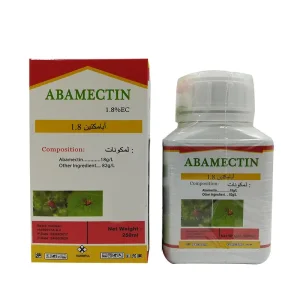
| Abamectin / Emamectin Benzoate | Group 6 (Avermectins) | Glutamate-gated chloride channel allosteric modulators | Nymphs & Adults | High translucent translaminar movement; paired with organosilicone adjuvants. |
| Thiamethoxam / Dinotefuran | Group 4A (Neonicotinoids) | Nicotinic acetylcholine receptor (nAChR) competitive modulators | Systemic Root & Foliar Nymphs | Rapid xylem transport; excellent systemic uptake via drip chemigation. |
| Spinetoram / Spinosad | Group 5 (Spinosyns) | Nicotinic acetylcholine receptor (nAChR) allosteric modulators | Larvae, Nymphs & Adults | High efficacy on organophosphate-resistant strains; broad safety margin. |
| Spirotetramat | Group 23 (Tetramic acid) | Acetyl CoA carboxylase inhibitors (Lipid biosynthesis inhibition) | Immature Nymphs (Prevent Molting) | 2-Way Systemic (Phloem & Xylem); targets juvenile populations inside dense crowns. |
| Cyantraniliprole | Group 28 (Diamides) | Ryanodine receptor modulators | Feeding Larvae & Adults | Immediate feeding cessation, reducing viral transmission rates instantly. |
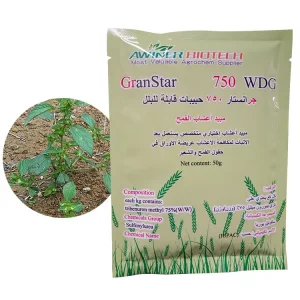
Water Dispersible Granules (WDG) eliminate dust hazard, increase storage stability under tropical conditions, and feature rapid 100% dispersion without tank clogging.
Milled down to sub-micron particle sizes, our SC formulations enhance surface adhesion on hydrophobic vegetable leaves, improving rainfastness within 60 minutes.
Controlled micro-capsule delivery protects volatile active ingredients against UV degradation in hot climates, extending residual foliar activity up to 14-21 days.
Adapting chemical defense programs to diverse microclimates, irrigation infrastructures, and protected vs. open-field farming systems.
In automated glasshouses and polycarbonate tunnels producing bell peppers and tomatoes, thrips hide in dense floral structures. Application protocols focus on systemic soil drenches (e.g., Thiamethoxam 35% FS) combined with ultra-low volume (ULV) cold fogging of translaminar molecules (e.g., Abamectin). Chemical applications are strictly timed around biological control agent releases (Amblyseius swirskii predatory mites), utilizing soft chemistry with low residual toxicity to beneficials.
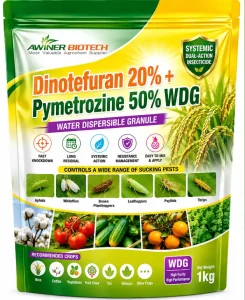
High temperatures and intense monsoon rainfall present rapid population growth and wash-off risks in crops like chili peppers, onions, and cucumbers. Protocols mandate combining systemic neonicotinoids or nicotinic agonists (such as Dinotefuran + Pymetrozine WDG) with specialized trisiloxane organosilicon surfactants. This reduces spray droplet contact angle to near 0°, allowing the active ingredient to penetrate deep into the sheath of Allium leaves even during brief rainless windows.
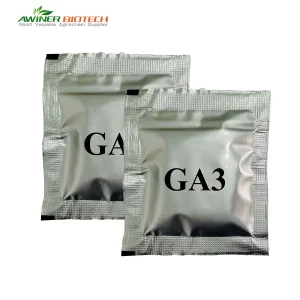
In hot, dry regions, thrips populations explode under water-stress conditions. Soil-applied insecticides through drip irrigation (chemigation) are optimized for root uptake, while foliar applications of growth regulators (e.g., Gibberellic Acid GA3 combined with thrips controls) help plants recover photosynthetic capacity and overcome stunting caused by viral loads transmitted during initial feeding events.
How China’s integrated chemical industrial parks deliver cost stability, pure technical active synthesis, and uninterrupted global deliveries.
China manufactures over 70% of the world’s active pesticide ingredients (TC). Chemical industrial parks in Hebei and neighboring provinces possess total backward integration—synthesizing intermediate precursor molecules directly from raw chemical feeds, insulating global buyers from intermediate price shocks.
Modern manufacturing plants operate under strict ISO 9001, ISO 14001, and OHSAS 18001 certifications. Every batch undergoes High-Performance Liquid Chromatography (HPLC) and Gas Chromatography-Mass Spectrometry (GC-MS) testing to ensure active ingredient purity, minimal isomer impurities, and strict adherence to FAO specifications.
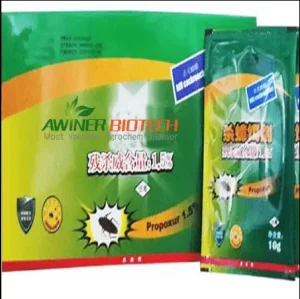
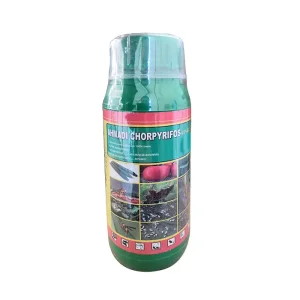
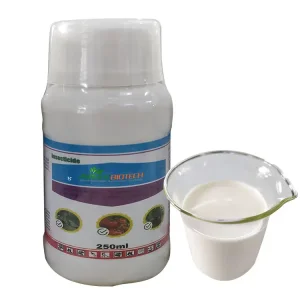
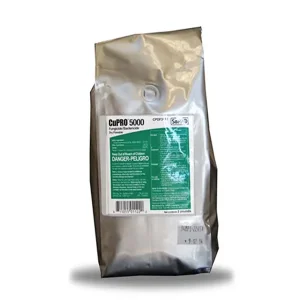
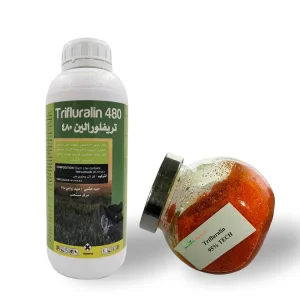
From small-pack retail aluminum foil sachets (10g, 50g) and fluorinated HDPE bottles (100mL to 1L) to 200L industrial drums, Chinese suppliers offer full private label branding, UN-certified hazardous packaging, and multi-lingual SDS/MSDS compliance aligned with GHS standards.
Emerging innovations reshaping vegetable crop protection against sucking pests.
The global agrochemical landscape is undergoing a technological transition driven by artificial intelligence, biopesticides, and precision delivery systems. Over the next decade, Chinese manufacturers and R&D facilities are pioneering three main technological vectors for thrips management:
Development of sprayable dsRNA biopesticides designed to silence vital thrips genes (such as v-ATPase or chitin synthase) without exhibiting any toxicity toward non-target pollinators, predatory mites, or aquatic organisms.
Next-generation capsules that release active ingredients only when triggered by specific enzymatic activity inside the insect gut or by pH shifts caused by leaf surface micro-environments, extending control while cutting dosage requirements by up to 30%.
Formulation adjustments for Ultra-Low Volume (ULV) drone spraying—minimizing drift, evaporation, and droplet bounce via bio-derived anti-evaporants and specialized drift-reduction agents (DRAs) tailored for aerial field applications.
Founded in 2006, located in Shijiazhuang, Hebei Province, close to China's capital Beijing, with convenient logistics and international export operations.
Awiner Biotech is committed to research, production, and distribution of agrochemicals, mainly dealing with pesticides, herbicides, fungicides, plant growth regulators, and public health pesticides. By combining rigorous chemical synthesis with customer-centric field agronomy support, Awiner has established a globally recognized agrochemical brand.
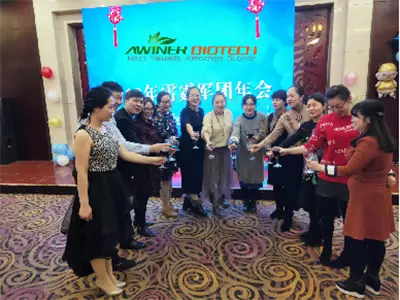
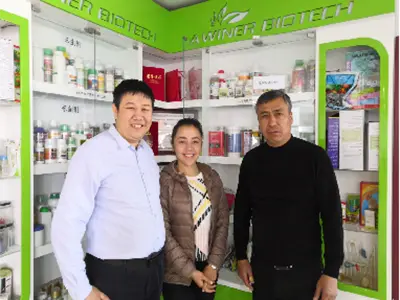
Up to now, we have won customers across the globe, including Iraq, Iran, Afghanistan, Pakistan, India, Libya, Syria, Turkey, Yemen, Ukraine, Russia, Kazakhstan, Uzbekistan, Chile, Bolivia, Mexico, Brazil, Paraguay, Nigeria, Djibouti, Rwanda, Somalia, Malaysia, Cambodia, Nepal, Myanmar, and beyond.
Our company actively participates in major agricultural and chemical exhibitions worldwide, including events in Turkey, Iran, Pakistan, Nigeria, Russia, Cambodia, Malaysia, Uzbekistan, and other agricultural markets.
We regularly conduct on-site market inspections in customer countries, analyzing local pest resistance issues, conducting field trials, understanding grower product usage, and hosting client visits at our manufacturing facilities.
Assisting agricultural importers and distributors through complete GLP data packages and regulatory approval processes.
Provision of complete GLP-compliant toxicological reports, acute oral/dermal/inhalation toxicity data, eye/skin irritation testing, and ecotox studies for honeybees, aquatic species, and beneficial organisms.
Detailed Certificates of Analysis (CoA) for every shipment, validated active ingredient analytical methods (HPLC/GC), batch analysis data, and physical-chemical property certifications compliant with FAO/WHO specifications.
Guidance on residue decay curves, Pre-Harvest Intervals (PHI), and Maximum Residue Limit (MRL) compliance for exporters shipping fresh vegetables to the EU, USA, Japan, and Codex markets.
Expert technical answers regarding chemical modes of action, tank mixing, application parameters, and supply chain logistics.
Explore our complementary herbicides, fungicides, and systemic insecticide formulations engineered for complete crop health.
 Awiner Biotech