The global cotton production landscape is undergoing an unprecedented structural transition. Modern agricultural economies are rapidly abandoning manual cotton picking in favor of fully automated, high-efficiency mechanical harvesters. In China—particularly within the mega-agricultural hubs of Xinjiang—the mechanized cotton harvesting rate has breached 90% across major commercial production zones. However, the seamless operation of heavy spindle pickers and stripper harvesters depends heavily on specialized agrochemical preparation. Without rigorous canopy management, pre-harvest leaf drop, and synchronized boll opening, mechanical pickers suffer from excessive trash content, fiber staining, mechanical clogging, and severe economic downgrading at the ginning mill.
This comprehensive industry whitepaper provides enterprise buyers, agronomic directors, global distributors, and machinery operators with actionable intelligence regarding China mechanical cotton harvesting quotes, chemical defoliant synergies, crop protection integration, and manufacturer capabilities. By examining the precise technical intersections between specialized chemical harvest aids (such as Thidiazuron, Diuron, Ethephon formulations) and targeted pre-harvest plant protection (including acaricides, systemic insecticides, and leaf-rot fungicides), this report establishes the definitive operational protocol for maximizing cotton quality and operational ROI.
A common misconception in commercial cotton farming is that mechanical harvesters operate independently of chemical conditioning. In reality, mechanical spindle units require a crisp, dry canopy. If foliage remains green during harvesting, spindle rotation crushes leaves, transferring green chlorophyll sap directly onto seed cotton. This causes permanent lint staining that cannot be removed during lint cleaning, reducing commercial value by up to 25%. Thus, precise chemical defoliation and pest clearance are mandatory prerequisite investments for high-grade output.
The technological trajectory of mechanical cotton harvesting in China has evolved through four distinct generations. Understanding this technical roadmap allows global procurement managers to align their sourcing strategy with state-of-the-art chemical and mechanical capabilities.
Historical reliance on single-agent defoliants often resulted in partial leaf drop and regrowth under late-season warm spells. Canopy retention remained high, causing mechanical picker headers to jam frequently and increasing fuel consumption by 18%.
Co-formulation of physiological abscission promoters (TDZ + Diuron) with ethylene release agents (Ethephon). This dual-action approach forces targeted petiole abscission layer formation while accelerating green boll maturation prior to machine passage.
Integration of ultra-low volume (ULV) aerial spray technology via autonomous drones. Drone spraying ensures complete penetration into dense cotton canopies, reducing water carrier requirements by 90% and enabling rapid, micro-targeted defoliation applications.
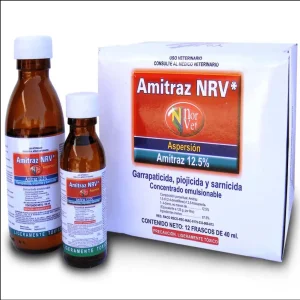
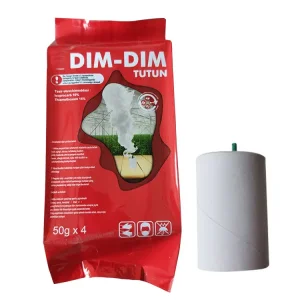
Mechanical picking efficiency is severely compromised by late-season insect infestations. Sucking pests such as whiteflies (Bemisia tabaci) and aphids excrete sticky honeydew onto open cotton bolls. When passed through high-speed mechanical picker spindles, honeydew acts as a binder, causing fiber buildup, spindle friction lock, and catastrophic ginning errors. Furthermore, spider mites (Tetranychus urticae) cause premature leaf necrosis without petiole detachment, leaving dried leaves stuck to bolls.
To neutralize these operational threats, leading Chinese agrochemical manufacturers provide targeted pre-harvest tank-mix solutions:
Transitioning to high-yield mechanical cotton harvesting requires a systemic macro approach that integrates plant genetics, row spacing layout, chemical defoliation timing, and machinery header adjustments. Chinese agrochemical and machinery enterprise specialists recommend a standardized operational protocol:
Establishing plant populations of 12,000–15,000 plants per acre with standardized row configurations (e.g., 66 cm + 10 cm narrow-wide rows). Chemical plant growth regulators (such as Mepiquat Chloride) are applied during early bloom to limit plant height to 80–90 cm, perfectly matching mechanical spindle picking zones.
Defoliant application must strictly track mean daily temperatures. Optimal physiological activity occurs when daytime temperatures exceed 20°C and night temperatures remain above 12°C for 5-7 days post-application. Applying chemical aids outside this window requires enhanced adjuvant loads to avoid leaves drying on the stem ("leaf freezing").
Spindle rotation speed must be precisely synchronized with machine ground speed. Clean defoliation achieved via specialized agrochemicals allows harvesters to operate at optimal speeds (6–8 km/h) without clogging spindle moisture pads or accumulating sticky residue inside the suction doors.
China's leadership in mechanical cotton harvesting solutions rests upon an integrated, highly resilient industrial ecosystem. From chemical raw material synthesis to high-precision machinery assembly, Chinese manufacturers offer global buyers unparalleled cost structures, stringent quality control, and rapid volume scaling.
Key competitive advantages of sourcing cotton harvest agrochemicals and equipment from China include:
Chinese chemical production clusters control key active ingredient (AI) precursors. This upstream control insulates global buyers from raw material cost spikes and guarantees steady supply during narrow seasonal harvest windows.
State-of-the-art facilities produce high-stability Water Dispersible Granules (WDG), Emulsifiable Concentrates (EC), and Suspension Concentrates (SC) designed to resist oxidation, prevent nozzle clogging in drone systems, and remain stable under extreme field storage conditions.
Every batch undergoes High-Performance Liquid Chromatography (HPLC) assay verification, FAO/WHO specification testing, and CIPAC standard emulsification/suspension checks, ensuring 100% compliance with buyer requirements.
Procuring mechanical harvesting aids and supporting agrochemicals requires meticulous operational planning. Global agricultural enterprises, government tenders, and commercial importers must evaluate suppliers against rigorous criteria:
Founded in 2006, Awiner Biotech has established itself as a premier research, production, and distribution enterprise in the international agrochemical sector. Located in Shijiazhuang, Hebei Province (North China)—in close proximity to China's capital, Beijing—the company leverages ideal logistics networks and advanced industrial infrastructure.
Awiner Biotech specializes in high-efficiency pesticides, herbicides, fungicides, plant growth regulators, and public health pesticides tailored to modern mechanized farming systems.
Up to now, Awiner Biotech has won long-term trusted partnerships with clients across a vast international footprint, including:
Iraq, Iran, Afghanistan, Pakistan, India, Libya, Syria, Turkey, Yemen, Ukraine, Russia, Kazakhstan, Uzbekistan, Chile, Bolivia, Mexico, Brazil, Paraguay, Nigeria, Djibouti, Rwanda, Somalia, Malaysia, Cambodia, Nepal, Myanmar, and beyond.
Awiner Biotech actively participates in leading international agricultural machinery and agrochemical expos to stay at the forefront of field tech. Key exhibition countries include:
Turkey, Iran, Pakistan, Nigeria, Russia, Cambodia, Malaysia, Uzbekistan, and more.
Awiner Biotech specialists travel directly to destination countries to conduct hands-on field surveys, analyze regional cotton growing conditions, resolve practical application challenges, and audit localized product performance alongside local distributors and growers.
Below are expert responses to critical questions frequently posed by global agricultural enterprise procurement teams, farm managers, and chemical importers regarding mechanical cotton harvesting quotes and chemical conditioning.
Mechanical spindle pickers extract seed cotton using high-speed spinning moist spindles. If green leaves remain on the cotton plant during harvest, spindles crush green vegetation, causing leaf sap and chlorophyll to permanently stain raw cotton fibers. Furthermore, green leaves add excess moisture and foreign trash content, causing cotton to spoil during storage and drastically lowering ginning grades. Chemical defoliants induce clean leaf abscission, ensuring dry, leaf-free bolls for optimal machine picking.
Quotes for harvest auxiliary chemicals are governed by several key variables: active ingredient purity levels (e.g., 95% TC vs formulated EC/WDG), raw material active price fluctuations (such as Thidiazuron and Ethephon precursors), order volume packaging specifications, and seasonal supply-demand cycles ahead of major global harvest windows (August–October in Northern Hemisphere; March–May in Southern Hemisphere).
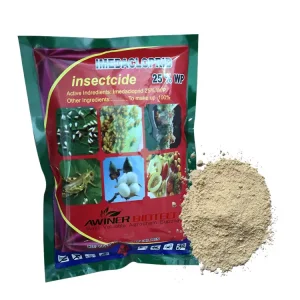
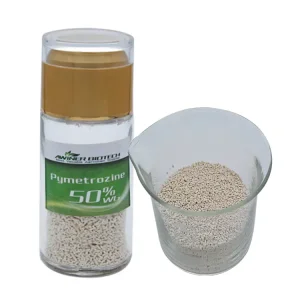
Late-season sucking insects (aphids and whiteflies) secrete sticky honeydew over open cotton bolls. When harvested mechanically, this sticky cotton binds to picker spindles, causing spindle friction lock, clogging vacuum conveyance channels, and halting machine operation. Applying systemic insecticides like Pymetrozine 50% WDG or Imidacloprid 25% WP 14–21 days prior to harvest eliminates pest populations and stops honeydew accumulation.
Most physiological defoliants (such as Thidiazuron-based formulations) require average daily temperatures of at least 18°C–20°C for optimal hormonal action. If temperatures drop below 15°C, defoliation kinetics slow down significantly. In cooler harvest regions, manufacturers recommend adding specialized oil adjuvants or combining lower doses of contact-type chemical agents to achieve rapid leaf drop without leaf freezing.
Awiner Biotech provides comprehensive registration support packages including GLP purity certificates, FAO standard testing, Safety Data Sheets (SDS), Certificate of Analysis (COA), and sample dispatch for regulatory field trials across countries in South America, Eastern Europe, Central Asia, and Africa.
 Awiner Biotech