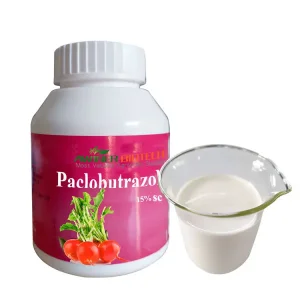
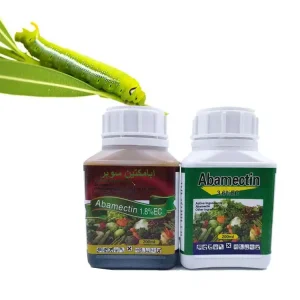
Engineered to withstand intense solar radiation and temperatures exceeding 45°C without active ingredient degradation.
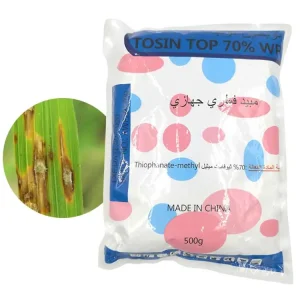
Understanding how climate change and extreme ambient temperatures in tropical, arid, and equatorial regions dictate next-generation formulation chemistry.
Global climate shifts have drastically expanded hyper-arid and tropical agricultural zones, exposing crops in regions such as the Middle East, Sub-Saharan Africa, South Asia, and Latin America to prolonged periods of ambient temperatures exceeding 35°C to 50°C. For commercial agricultural operations, conventional crop protection chemicals face severe efficacy drop-offs when applied under extreme heat. Factors such as photolysis, rapid solvent evaporation, thermal active ingredient breakdown, and accelerated volatilization significantly reduce field half-life, leaving crops vulnerable to aggressive pest surges.
Intense solar UV-A and UV-B wavelengths split vulnerable chemical bonds in traditional EC formulations. Active ingredients like Abamectin, Emamectin Benzoate, and Synthetic Pyrethroids undergo rapid photolysis, losing up to 60% of their bio-efficacy within 4 hours of foliage spray without advanced UV screeners.
High ambient heat reduces foliar droplet lifetime from minutes to seconds. Standard aqueous sprays evaporate before achieving systemic absorption or uniform contact coverage, causing chemical runoff, crystalization on leaf surfaces, and poor stomatal penetration.
In high heat, pest life cycles shorten dramatically (e.g., spider mites and whiteflies complete generations in under 7 days). Sub-lethal pesticide doses caused by heat degradation accelerate metabolic resistance in target populations, necessitating stronger, thermo-stable multi-mode active matrices.
To overcome these environmental constraints, advanced agrochemical engineering relies on structural stabilization, specialized polymers, and proprietary surfactant matrices. China has emerged as the global epicenter for high-heat-resistant formulation manufacturing, supplying robust solutions tailored for tropical crops, greenhouse applications, and desert agriculture.
Comparing Next-Gen Formulation Types and Their Performance Profiles under High-Temperature Field Conditions.
| Formulation Code | Technology Mechanism | Heat Resistance Rating | UV Stability Level | Ideal Tropical Crops |
|---|---|---|---|---|
| CS (Microencapsulation) | Active molecules enclosed in polymeric polyurea/polyurethane micro-shells. Controlled release mechanism. | Exceptional (>50°C) | Ultra-High (UV Blockers) | Cotton, Citrus, Palm Oil, Vegetables |
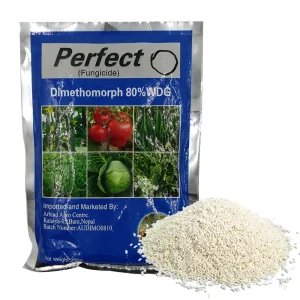
| WDG / WG (Water Dispersible Granules) | Solvent-free granular matrices that disintegrate rapidly in water. Zero oil degradation. | Very High (>45°C) | High (Inert Binder Defense) | Grapes, Cereals, Soybeans, Fruit Trees |
| SC (Suspension Concentrates) | Solid active ingredient micro-particles dispersed in liquid phase with thermal anti-caking agents. | High (>40°C) | Medium-High | Corn, Wheat, Vegetables, Rice |
| ME (Microemulsion) | Thermodynamically stable water-based emulsion with ultra-fine droplet sizes (<100nm). | High (>42°C) | Medium | Greenhouse Horticulture, Tea, Cocoa |
Microencapsulation represents the pinnacle of hot-climate chemical protection. By encasing labile compounds—such asorganophosphates, synthetic pyrethroids, or specialized acaricides—in protective cross-linked polymer shells, the active ingredient is shielded from direct solar UV radiation and rapid thermal oxidation. The active compound releases gradually through diffusion, maintaining lethal concentration on target foliage for up to 28 days even under harsh desert sunlight.
Traditional Liquid EC formulations utilize volatile organic solvents that evaporate in transit or cause severe phytotoxicity under hot midday sun. Modern WDG formulations (such as Boscalid + Pyraclostrobin 31.9% WDG or Tribenuron-methyl 75% WDG) feature high heat endurance during long-distance shipping in un-refrigerated container vessels, preventing phase separation, crystal growth, or container swelling.
Incorporating heat-stable trisiloxane alkoxylate penetrants and non-ionic oil-based stickers reduces spray droplet contact angles, preventing rapid water evaporation and promoting rapid cuticular waxes wax penetration within 15 minutes of application.
Delivering high-efficacy agrochemical solutions from China's industrial chemical hub to over 30 countries worldwide.
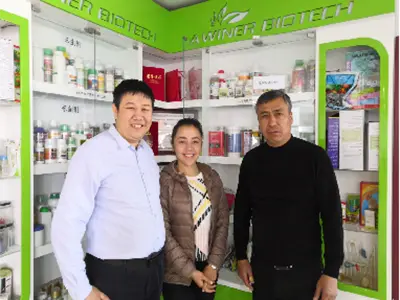
Awiner Biotech was founded in 2006, located in north of China-Shijiazhuang, Hebei Province. The city is close to our capital Beijing, with convenient logistics and export transportation access.
Awiner Biotech is committed to research, produce and distribute agrochemicals. We mainly deal with pesticides, herbicides, fungicides, plant growth regulators (PGR), and public health pesticides, engineered specifically for global climate resilience.
Up to now, we have won trusted long-term customers across worldwide hot-climate agricultural hubs including: Iraq, Iran, Afghanistan, Pakistan, India, Libya, Syria, Turkey, Yemen, Ukraine, Russia, Kazakhstan, Uzbekistan, Chile, Bolivia, Mexico, Brazil, Paraguay, Nigeria, Djibouti, Rwanda, Somalia, Malaysia, Cambodia, Nepal, Myanmar, and more.
We regularly conduct international exhibitions in Turkey, Iran, Pakistan, Nigeria, Russia, Cambodia, Malaysia, Uzbekistan. Furthermore, our technical teams perform on-site market surveys to analyze regional crop diseases, understand high-temperature product usage challenges, and engineer bespoke solutions for local distributors.
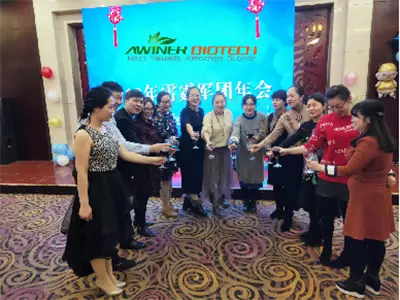
Established robust trade relationships across 30+ nations in Middle East, Latin America, Africa, Central Asia, and Southeast Asia.
Active participation in leading agrochemical expos across Turkey, Nigeria, Uzbekistan, Russia, Pakistan, Iran, and Malaysia.
Direct in-country technical consultation, field evaluation, usage troubleshooting, and continuous client factory visits.
A Blueprint for Importers, Distributors, and Agricultural Corporations Sourcing Agrochemical Active Ingredients from China.
Agrochemical products intended for tropical or desert zones must pass rigid thermal stress protocols. Under CIPAC MT 46.3 guidelines, sample batches are subjected to 54°C (±2°C) for 14 days. Sourcing directors must verify post-test active ingredient retention (≥97.5%), emulsion stability, suspension percentage, and lack of phase separation before shipment clearing.
High temperatures inside ocean shipping containers (often exceeding 65°C during transit across equatorial sea lanes) cause volatile vapors to expand. Sourcing specifications must dictate high-density fluorinated HDPE bottles, reinforced aluminum foil induction seals, and anti-collapse cap valves for liquids, alongside multi-layer aluminum foil bags for WDG and WP products.
In hot regions, agricultural water sources often contain elevated dissolved minerals (hard water >500 ppm). Emulsifier blends must maintain high cloud points (>65°C) to prevent oil separation when diluted in warm field water tanks, preventing nozzle clogging and uneven active distribution.
Ensure suppliers provide comprehensive registration dossiers (GLP toxicological studies, 5-batch analysis, environmental fate, field efficacy reports) compliant with local ministries of agriculture in target importing countries across Africa, Middle East, and South America.
Pioneering the Next Generation of Agrochemical Science for Extreme Global Climates.
As global temperatures continue to hit record highs, traditional pesticide synthesis is evolving toward intelligent, environment-responsive crop protection systems. Research and development roadmaps in China's leading agrochemical laboratories focus on three strategic pillars:
Polymeric nanocomposites and solid lipid nanoparticles (SLNs) encapsulate active compounds at molecular scales. These ultra-small delivery vehicles protect sensitive actives from heat while enabling stomatal nano-penetration within minutes of spraying.
Adjuvant chemistry incorporating thermo-sensitive polymers that contract in high temperatures to form a breathable micro-protective skin over crop foliage. This layer traps moisture, reduces crop transpiration stress, and prevents UV degradation of active molecules.
Utilizing high-throughput artificial intelligence modeling to simulate molecular interaction between active ingredients, emulsifiers, UV absorbents, and leaf cuticular waxes under simulated hyper-thermal climate conditions.
Expert technical answers regarding agrochemical selection, storage stability, and application in hot climates.
Standard EC formulations rely on organic solvents with high volatility. Under temperatures exceeding 35°C, rapid solvent evaporation leads to premature active ingredient crystallization on leaf surfaces, reducing plant systemic uptake. Furthermore, high UV exposure accelerates photolysis of dissolved active molecules. Switching to suspension concentrates (SC), water dispersible granules (WDG), or microencapsulated formulations (CS) significantly improves performance.
All export batches undergo accelerated heat stability testing at 54°C for 14 days according to CIPAC MT 46.3 standards. We utilize fluorinated container walls, heat-sealed aluminum barrier liners, and specialized anti-degradation stabilizers to ensure full physical chemical stability throughout long voyages across tropical trade routes.
Microencapsulated Suspensions (CS) and Water Dispersible Granules (WDG) are ideal. CS formulations shield the active chemical inside cross-linked micro-membranes, providing controlled residual release while minimizing evaporation loss. WDG formulations eliminate solvent deterioration and maintain excellent storage stability even in non-refrigerated desert warehouses.
Yes. Adding organosilicone surfactants or methylated seed oil (MSO) adjuvants reduces droplet surface tension, accelerating cuticular wax penetration within 10 to 15 minutes. This minimizes droplet evaporation loss under intense sun while enhancing rainfastness during unpredictable tropical downpours.
We provide complete regulatory support packages including ICAMA certificates, Certificate of Analysis (COA), MSDS, GLP toxicological data, stability trial data, and customized packaging label artwork compliant with local Ministry of Agriculture guidelines in Africa, Middle East, Asia, and Latin America.
High-purity technical grade and ready-to-use formulations manufactured to strict international quality standards.
 Awiner Biotech