Direct factory manufacturing solutions engineered for crop protection, plant growth regulation, and field yield optimization.
Cotton (Gossypium hirsutum L.) stands as the world's most critical natural fiber crop, forming the backbone of the global textile industry. However, achieving maximum lint yield and superior fiber quality requires precise physiological manipulation throughout the crop's vegetative and reproductive growth phases. This is where Plant Growth Regulators (PGRs) become indispensible. China's agrochemical manufacturing ecosystem—led by dedicated production hubs in Hebei, Shandong, and Jiangsu—has emerged as the global epicenter for cotton-specific PGR active ingredients (TC) and advanced end-use formulations (SC, SL, EC, WDG).
Sourcing from an established China plant growth regulator cotton factory enables agricultural enterprise buyers, regional distributors, and large-scale farming conglomerates to access specialized biochemicals tailored for canopy control, boll retention, leaf defoliation, and synchronized boll opening. As climate volatility increases and mechanical harvesting becomes the global standard, Chinese chemical manufacturing infrastructure delivers the exact synthesis capacity, technical consistency, and regulatory dossier support required for global competitiveness.
Synthesis of ultra-pure Mepiquat Chloride, Thidiazuron (TDZ), Ethephon, and S-Abscisic Acid (S-ABA) adhering to international FAO standards.
Fully automated synthesis reactors, strict environmental compliance systems, and multi-thousand metric ton annual throughput capacities.
Comprehensive GLP-certified analytical testing, batch-to-batch HPLC purity confirmation, and global custom regulatory registration packages.
Understanding key active ingredients, physiological modes of action, and targeted application windows.
Cotton exhibits an indeterminate growth habit, meaning it continues vegetative growth (leaves, stems, branches) simultaneously with reproductive development (squares, flowers, bolls). If left unchecked, excessive vegetative growth creates dense internal shaded canopies, leading to higher incidence of boll rot, boll shedding, delayed maturity, and severe mechanical harvesting complications. Direct factory sourcing from China provides access to the full spectrum of active ingredients engineered to regulate these metabolic pathways.
| Active Ingredient | Primary Function / Target Stage | Biochemical Mechanism of Action | Standard Formulations |
|---|---|---|---|
| Mepiquat Chloride (DPC) | Vegetative Growth Inhibition (Squaring to Early Bloom) | Inhibits gibberellin biosynthesis; reduces internode elongation and leaves canopy open for sunlight penetration. | 98% TC, 250g/L SL, 5% SL |
| Thidiazuron (TDZ) | Pre-harvest Leaf Defoliation (60% Boll Open) | Cytokinin mimic; triggers ethylene accumulation in leaf petioles causing clean leaf abscission without leaf freeze. | 500g/L SC, 50% WP, 80% WP |
| Ethephon | Synchronized Boll Opening & Ripening | Releases plant-available ethylene, accelerating boll dehiscence and forcing uniform boll maturation. | 400g/L SL, 480g/L SL, 720g/L SL |
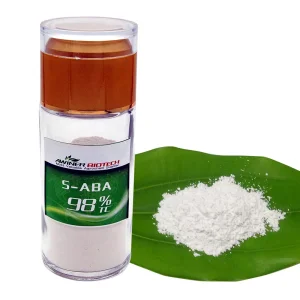
| S-Abscisic Acid (S-ABA) | Abiotic Stress Resilience & Stomatal Regulation | Regulates guard cell turgor pressure; reduces transpiration during acute heat and drought spells. | 90% TC, 10% SP, 5% SL |
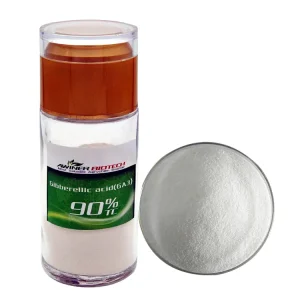
| Gibberellic Acid (GA3) | Seed Germination & Early Seedling Vigor | Stimulates cell division and hydrolytic enzymes to break seed dormancy and promote uniform emergence. | 90% TC, 40% WDG, 20% SP |
| Brassinolide | Metabolic Enhancement & Chemical Compatibility | Polypeptide and sterol signaling pathway booster; mitigates pesticide stress and improves nutrient uptake efficiency. | 0.1% SP, 0.01% SL |
Modern high-yield cotton farming systems require multi-stage PGR intervention strategies. China manufacturers produce tailored co-formulations and single-component active ingredients designed for precision field deployment:
Analyzing market shifts across key cotton-producing regions and how Chinese factories serve international enterprise procurement.
Hand-picking of cotton is rapidly declining across Central Asia, South America, and China due to labor shortages and rising operational costs. Mechanical harvesters (strippers and spindle pickers) demand fields that are completely defoliated and feature synchronized boll opening. This shift has driven exponential global demand for specialized Thidiazuron (TDZ) + Ethephon tank mixes manufactured in China.
Cotton producers in North America, South Asia, and the Middle East face unpredictable rainfall patterns, extreme heat spikes, and soil salinization. Biostimulants and stress-mitigating PGRs such as S-Abscisic Acid (S-ABA) and Brassinolides are increasingly specified by enterprise procurement teams to guard crop performance against abiotic shocks.
Bypassing multi-tier distribution channels to partner directly with chemical synthesis factories in China yields significant economic advantages. Large-scale agrochemical importers gain full transparency on raw material costs, customizable active ingredient concentrations, and flexible OEM packaging options tailored to local market regulations.
The rapid expansion of UAV spraying systems across cotton fields demands novel formulation technology. Chinese PGR manufacturers are pioneering ultra-low volume (ULV) soluble concentrate liquids and high-dispersion WDG formulations that prevent nozzle clogging, optimize drop spectrum stability, and maximize canopy penetration.
Inside the technology, environmental standards, and quality management protocols of top-tier Chinese agrochemical manufacturers.
Continuous flow reaction technologies and high-pressure catalytic autoclaves ensure multi-ton synthesis of technical-grade actives with purity levels routinely exceeding 98% TC.
State-of-the-art analytical testing laboratories verify isomer ratios, control micro-contaminants, and issue FAO-compliant Certificates of Analysis (COA) for every shipment batch.
Horizontal pin-type bead mills produce nanometer-range particle size distribution in Suspension Concentrates (SC), maximizing leaf surface adhesion and rainfastness.
Established agrochemical manufacturing leadership based in Shijiazhuang, Hebei Province, China.
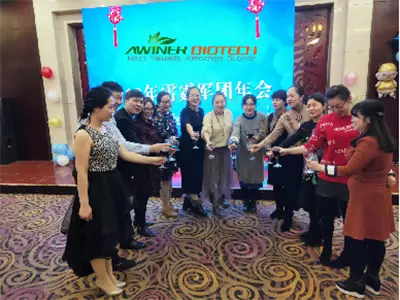
Up to now, we have won customers from Iraq, Iran, Afghanistan, Pakistan, India, Libya, Syria, Turkey, Yemen, Ukraine, Russia, Kazakhstan, Uzbekistan, Chile, Bolivia, Mexico, Brazil, Paraguay, Nigeria, Djibouti, Rwanda, Somalia, Malaysia, Cambodia, Nepal, Myanmar and so on.
Our countries participating in international agrochemical exhibitions include Turkey, Iran, Pakistan, Nigeria, Russia, Cambodia, Malaysia, Uzbekistan, etc.
We go to the customer's country to conduct market inspections, analyze and solve problems for them, understand their product usage, and customers will also visit our factory facilities.
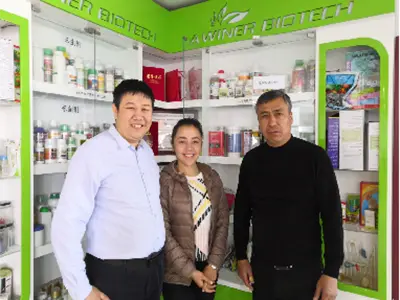
Up to now, we have won customers from Iraq, Iran, Afghanistan, Pakistan, India, Libya, Syria, Turkey, Yemen, Ukraine, Russia, Kazakhstan, Uzbekistan, Chile, Bolivia, Mexico, Brazil, Paraguay, Nigeria, Djibouti, Rwanda, Somalia, Malaysia, Cambodia, Nepal, Myanmar and so on.
End-to-end support for international importers, from custom formulation development to regulatory Dossier approval.
We offer fully customized container solutions ranging from 100mL fluorinated HDPE bottles for smallholder retail to 200L steel drums and 1000L IBC totes for large industrial farms. Formulations can be adjusted to specific climatic conditions (e.g., thermal-stable emulsifiers for Middle Eastern/African field application).
Navigating local agricultural ministry registrations is critical. Chinese manufacturing partners supply official ICAMA certificates, five-batch analytical reports from GLP laboratories, product chemistry dossiers, acute toxicology studies, and multi-lingual SDS/MSDS sheets to expedite country-level commercial registration.
Pioneering sustainable, high-efficiency biochemical delivery platforms for 2025 and beyond.
The plant growth regulator sector is undergoing significant technology transitions driven by environmental safety mandates and precision digital farming integration. Leading Chinese PGR factories are investing heavily in next-generation delivery platforms:
Capsule Suspension (CS) technology encapsulates active compounds like Mepiquat Chloride inside polymeric shells, enabling steady physiological release over 14-21 days and reducing required field application frequency by 35%.
Integration of microbial biostimulants, enzymatic amino acid complexes, and natural S-Abscisic Acid compounds to activate endogenous defense pathways without inducing hormone imbalance shocks in cotton plants.
Eliminating volatile organic compounds (VOCs) by migrating traditional EC (Emulsifiable Concentrate) products to water-dispersible granules (WDG), decreasing shipping weight and maximizing environmental safety profiles.
Expert agronomic and procurement answers regarding China cotton plant growth regulator factory sourcing.
Explore additional high-grade insecticides, plant growth regulators, and public health pest management solutions.
 Awiner Biotech