Explore high-purity technical grade and advanced formulated systemic insecticides engineered for rapid xylem and phloem translocation.
Understanding the biochemical superiority of vascular transport over surface-contact pest control agents in modern industrial farming.
Systemic insecticides applied via soil drenching, seed dressing, or basal foliar spray are absorbed by root hairs or cuticular channels. Utilizing the plant's natural transpiration stream, active ingredients move upward through xylem vessels to reach new foliage, protecting emerging vegetative growth against sap-sucking pests like aphids, planthoppers, and whiteflies.
Advanced systemic molecules exhibit true phloem mobility (amphimobile translocation), moving downwards from mature leaves to roots and stolons. This is vital for controlling root-knot nematodes, soil-dwelling grubs, and vascular wood-boring larvae that are totally shielded from traditional contact chemical contact sprays.
To prevent target pest populations from developing metabolic resistance, modern systemic crop protection strategies rely on rigid IRAC (Insecticide Resistance Action Committee) rotation frameworks. Key systemic chemical families engineered by Chinese manufacturers include:
How China’s integrated chemical industrial parks deliver unprecedented cost efficiency, raw material security, and high-purity formulation scalability.
Transitioning from traditional batch reactors to continuous-flow chemical synthesis allows precise temperature control, higher reaction yields, and minimal byproduct impurity formation (such as nitrosamines or toxic isomers), ensuring technical grade (TC) active ingredients consistently achieve 95%–98% purity.
China controls over 70% of global basic chemical precursors including phosphorus, chlorine, fluorine, and heterocyclic intermediates. Direct access to raw material clusters safeguards B2B global importers against extreme price volatility and severe supply bottlenecks experienced in other regions.
State-of-the-art air-jet milling and fluidized bed spray granulation lines manufacture dust-free Water Dispersible Granules (WDG) and Suspension Concentrates (SC) with particle sizes under 5 microns, maximizing foliar retention and stomatal absorption speed.
Technical parameters required by multinational agricultural chemical distributors, commercial plantation conglomerates, and government tenders.
| Formulation Type | Technical Specifications | Physicochemical Characteristics | Primary Target Pests | Global Packaging Options |
|---|---|---|---|---|
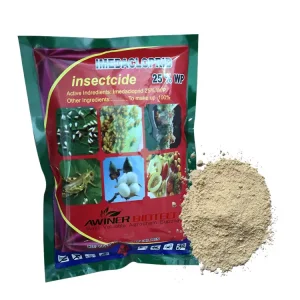
| Imidacloprid 25% WP | Active Content ≥ 25.0% pH: 5.0 - 8.0 |
Wet Dispersibility < 60s Suspension Rate ≥ 80% |
Aphids, Whiteflies, Leafhoppers | 100g-1kg Aluminum Foil Bags / Custom OEM |
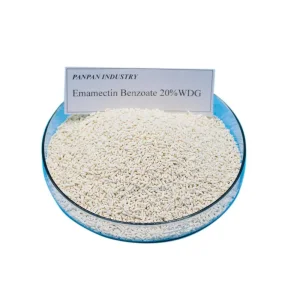
| Emamectin Benzoate 5% WDG | Active Content ≥ 5.0% Moisture ≤ 2.5% |
Dust-free Granules Disperses in water < 30s |
Spodoptera frugiperda, Diamondback Moth | 500g HDPE Bottles, Water-soluble PVA bags |
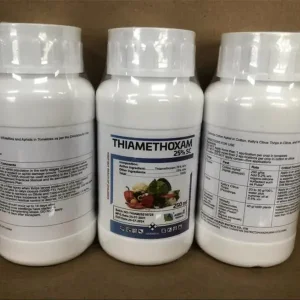
| Thiamethoxam 350 g/L FS | Active Content ≥ 350 g/L Density: 1.15-1.25 g/cm³ |
Seed Treatment Suspension Uniform Seed Coating Film |
Wireworms, Cutworms, Early Aphids | 1L, 5L, 20L Fluorinated HDPE Drums |
| Acetamiprid 32g/L + Abamectin 18g/L EC | Total Active ≥ 50 g/L Emulsion Stability: Pass |
High Translaminar Mobility Flash point > 61°C |
Spider Mites, Thrips, Resistance Psyllids | 200L Steel Drums, 1000L IBC Totes |
To withstand long-distance maritime transport and extreme tropical humidity, Chinese suppliers offer high-barrier co-extruded (CO-EX) multi-layer HDPE bottles, fluorinated containers, and heavy-duty UN-approved corrugated cartons. Custom private labeling services adhere strictly to GHS compliance guidelines.
Every manufacturing batch undergoes stringent quality control via High-Performance Liquid Chromatography (HPLC) and Gas Chromatography-Mass Spectrometry (GC-MS). Full batch retain samples are kept for 24 months to support commercial product guarantees and international regulatory audits.
Integrated systemic pest management protocols tailored for specific climatic zones and crop typologies.
Focuses on systemic protection against Brown Planthopper (BPH), Cereal Aphids, and Stem Borers. Seed slurry applications using Thiamethoxam FS ensure vigor and crop establishment up to 35 days post-emergence without foliar spray overheads.
Manages cryptic insects like Thrips, Bemisia tabaci (Whitefly), and Spider Mites. Systemic drip-irrigation dosing allows root uptake, eliminating chemical residue spots on fruit surfaces and meeting export MRL standards.
Provides broad-spectrum control against Cotton Bollworms, Flea Beetles, and Tea Green Leafhoppers. Rapid acropetal movement safeguards dense leaf canopies where contact sprays fail to penetrate.
Seamless market entry assistance backed by complete chemical documentation and global regulatory intelligence.
Navigating pesticide registration requires extensive technical documentation. Leading Chinese manufacturers provide comprehensive registration packages including GLP-accredited 5-batch analysis reports, acute toxicology studies, environmental fate assessments, and field efficacy trials required by Ministries of Agriculture across South America, Southeast Asia, and Africa.
With global regulatory bodies continuously revising Maximum Residue Limits (MRLs), agrochemical exporters must ensure active ingredients leave minimal environmental footprints. Systemic formulations are optimized for low active-ingredient-per-hectare (ai/ha) rates, reducing chemical runoff while ensuring fast breakdown into non-toxic metabolites.
Pioneering Next-Generation Systemic Delivery Systems, Bio-Rational Synthetics, and Precision Agrochemical Engineering.
Double-stranded RNA (dsRNA) systemic molecules designed to target essential insect gene expressions with zero toxicity toward non-target pollinators.
Smart polymer microcapsules releasing active systemic ingredients in response to specific pH changes inside insect gut environments.
Ultra-Low Volume systemic liquids optimized for precise aerial drone spraying, containing anti-evaporation and anti-drift surfactants.
Integration of field sensor data with systemic application schedules to prevent pest outbreaks before populations reach economic thresholds.
Discover Awiner Biotech's ongoing commitment to agricultural innovation, international trade excellence, and field-proven crop solutions.
Awiner Biotech was founded in 2006, located in north of China-Shijiazhuang, Hebei Province. The city is close to our capital Beijing, transportation is convenient. Awiner Biotech is committed to research, produce and distribute agrochemicals, mainly dealing with pesticides, herbicides, fungicides, plant growth regulators, and public health pesticides.
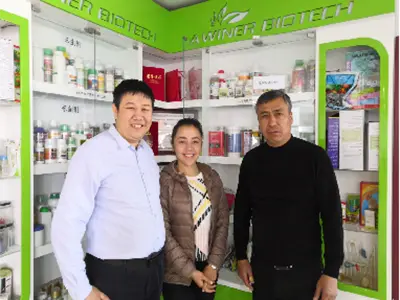
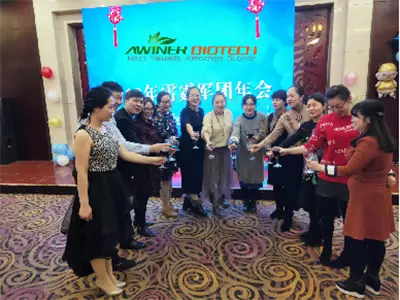
Up to now, we have won customers from Iraq, Iran, Afghanistan, Pakistan, India, Libya, Syria, Turkey, Yemen, Ukraine, Russia, Kazakhstan, Uzbekistan, Chile, Bolivia, Mexico, Brazil, Paraguay, Nigeria, Djibouti, Rwanda, Somalia, Malaysia, Cambodia, Nepal, Myanmar and so on.
Our countries participating in international agrochemical exhibitions include Turkey, Iran, Pakistan, Nigeria, Russia, Cambodia, Malaysia, Uzbekistan, and more. We continuously showcase our latest systemic insecticide breakthrough formulations to global buyers.
We travel directly to customer countries to perform extensive on-site market inspections, analyze regional pest pressure challenges, optimize product usage guidance, and foster long-term commercial relationships. Clients also regularly visit our high-tech facilities in Shijiazhuang.
Expert technical answers addressing common commercial procurement questions regarding agricultural systemic insecticides from China.
Discover additional high-efficacy crop protection solutions, fungicides, acaricides, and public health pest controls.
 Awiner Biotech