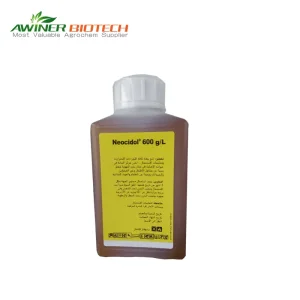
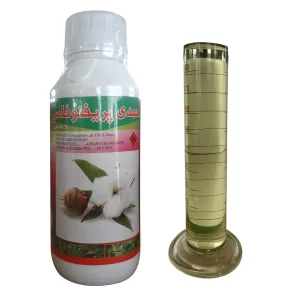
Direct manufacturer-grade active ingredients, technical concentrates (TC), and advanced crop protection premixes engineered for maximum biological activity.
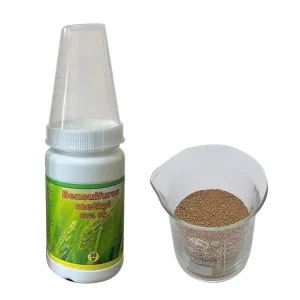
The global agricultural landscape faces an unprecedented dual challenge: securing high-yield, premium-quality vegetable crops while adhering to increasingly stringent international environmental, ecological, and Maximum Residue Limit (MRL) standards. As the world's primary manufacturing engine for agrochemicals, China vegetable insecticide factories and manufacturers have undergone a structural paradigm shift over the past decade. Transitioning from high-volume commodity synthesis to high-precision, eco-compatible, bio-based, and resistance-defying formulation chemistry, Chinese manufacturers now stand at the apex of global crop protection supply chains.
China's structural hegemony in the agrochemical vector is anchored by several multi-layered industrial advantages that provide global procurement partners with unmatched reliability, flexibility, and economic efficiency:
From basic petrochemical building blocks and key intermediates (e.g., cyclopentadiene, chlorination derivatives) to active ingredients (TC) and secondary formulation processing, China offers complete end-to-end sovereignty. This insulates global buyers from raw material bottlenecks and price volatility.
Leading Chinese factories have shifted away from older, solvent-heavy Emulsifiable Concentrates (EC) toward environmentally conscious, water-based, and dust-free delivery mechanisms such as Suspension Concentrates (SC), Water Dispersible Granules (WDG), and Soluble Powders (SP).
Top-tier facilities operate under strict ISO 9001:2015, ISO 14001, and OHSA 18001 guidelines. Active ingredient concentrations, particle size distribution, suspension rate, wetting time, and thermal storage stability are validated prior to export clearance.
Deploying chemical, biological, and systemic insecticides engineered for specific vegetable eco-systems and pest resistance patterns.
Greenhouse conditions present micro-climates that accelerate insect reproductive cycles. Key target pests include whiteflies (Bemisia tabaci), western flower thrips (Frankliniella occidentalis), and red spider mites (Tetranychus urticae). Chinese manufacturers have pioneered premix solutions such as Thiocyclam-hydrogenoxalate + Acetamiprid SP and Chlorfenapyr 36% SC. These chemistry blends target voltage-gated sodium channels and oxidative phosphorylation in pests, eliminating resistant strains while ensuring minimal phytotoxicity on sensitive solanaceous and cucurbit foliage.
Open-field cruciferous crops (cabbage, broccoli, kale) face relentless pressure from lepidopteran larvae, particularly the Diamondback Moth (Plutella xylostella) and Cabbage Looper (Trichoplusia ni). Heavy overuse of single-site organophosphates has historically driven high resistance. Chinese technical synthesis plants have led the industrial scale-up of Emamectin Benzoate 5% WDG and broad-spectrum pyrethroids such as Alpha-Cypermethrin. By stimulating the release of gamma-aminobutyric acid (GABA), Emamectin Benzoate quickly paralyzes larvae without accumulating hazardous chemical residues on harvested leaves.
Sustainable vegetable production requires strict rotation of IRAC (Insecticide Resistance Action Committee) modes of action. China's leading formulation developers design dual-action premixes that combat resistance development through complementary biochemical pathways:
| Active Ingredient / Combination | IRAC Mode of Action | Target Vegetable Pests | Formulation Type | Key Commercial Advantage |
|---|---|---|---|---|
| Chlorfenapyr 360g/L | Group 13 (Uncouplers of oxidative phosphorylation) | Diamondback moth, Thrips, Mites | SC (Suspension Concentrate) | No cross-resistance with pyrethroids or organophosphates. Excellent leaf penetrant. |
| Emamectin Benzoate 5% | Group 6 (Glutamate-gated chloride channel allosteric modulators) | Lepidoptera larvae, Leafminers | WDG (Water Dispersible Granules) | Low application rate per hectare; dustless granules with rapid disintegration. |
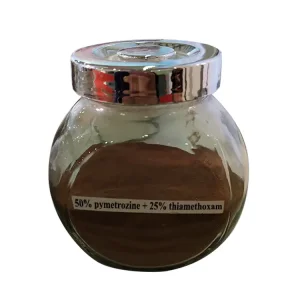
| Pymetrozine 50% + Thiamethoxam 25% | Group 9B + Group 4A (Chordotonal organ modulators + Neonicotinoids) | Aphids, Whiteflies, Plant hoppers | DF / WDG | Dual systemic & contact action; immediately stops insect feeding within 1 hour. |
| Thiocyclam + Acetamiprid | Group 14 + Group 4A (Nereistoxin analogues + Nicotinic acetylcholine receptor agonists) | Sucking pests, Flea beetles | SP (Soluble Powder) | Synergistic rapid knock-down with extended residual control period. |
Pioneering agrochemical production, international registration support, and customized crop protection solutions since 2006.
Awiner Biotech was founded in 2006, located in the northern chemical manufacturing hub of Shijiazhuang, Hebei Province, China. Situated in close proximity to the capital, Beijing, our facility enjoys convenient logistical access to major international shipping seaports (Tianjin Port), guaranteeing streamlined container export operations and rapid dispatch schedules.
Awiner Biotech is deeply committed to the research, production, formulation development, and global distribution of comprehensive crop protection and public health chemicals. Our strategic product lines span across:
Up to now, Awiner Biotech has established long-term strategic relationships with customers across more than 50 countries, including Iraq, Iran, Afghanistan, Pakistan, India, Libya, Syria, Turkey, Yemen, Ukraine, Russia, Kazakhstan, Uzbekistan, Chile, Bolivia, Mexico, Brazil, Paraguay, Nigeria, Djibouti, Rwanda, Somalia, Malaysia, Cambodia, Nepal, Myanmar, and beyond.
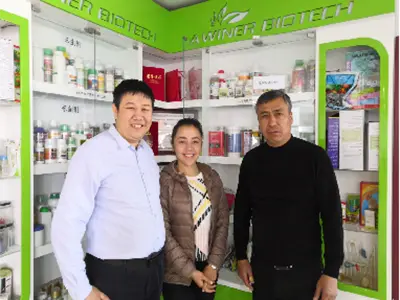
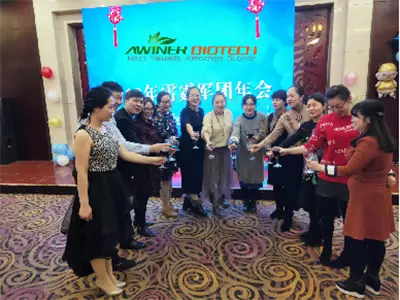
Exhibition Engagements: Awiner Biotech actively participates in prominent international agricultural and chemical trade exhibitions worldwide, including annual expos in Turkey, Iran, Pakistan, Nigeria, Russia, Cambodia, Malaysia, Uzbekistan, and Latin America.
On-the-Ground Market Inspections: We believe true E-E-A-T (Experience, Expertise, Authoritativeness, and Trustworthiness) is built in the field. Our agronomists and technical sales directors regularly conduct overseas market surveys directly in target countries. We inspect field performance under local soil and climate conditions, analyze resistance patterns alongside local farmers, solve complex application bottlenecks, and invite international partners to tour our manufacturing labs in Shijiazhuang.
Navigating local ministry registrations (e.g., ICAMA, USDA, EU EFSA equivalents) requires meticulous documentation. Chinese factories provide complete technical registration packages:
From bulk packaging for localized repacking to shelf-ready retail sizes, Chinese manufacturers offer tailor-made, fluorinated, and chemical-resistant container options:
Quality verification occurs before goods leave the factory floor. Batches undergo rigorous chromatography checks to verify active content purity and eliminate impurities like nitrosamines or heavy metals, ensuring compliance with FAO specifications.
Specialized insecticides, public health rodenticides, plant growth regulators, and broad-spectrum crop protection chemistry.
Expert insights from agrochemical formulation chemists and regulatory advisors.
 Awiner Biotech