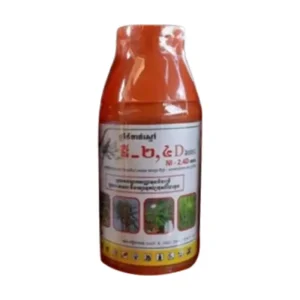
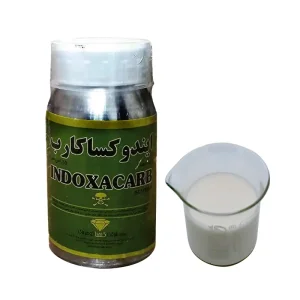
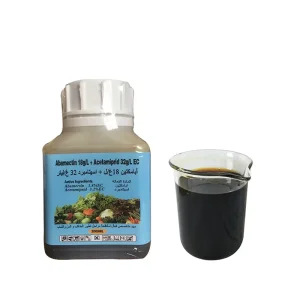
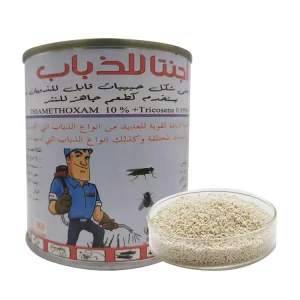
The global broadleaf weed management sector represents a critical pillar of modern agricultural security and industrial vegetation control. Broadleaf weeds—taxonomically defined as dicotyledonous species featuring net-veined leaves, broad blades, and exposed growing points—compete aggressively with major agronomic crops such as maize, soybeans, wheat, cotton, and sugarcane for crucial soil nutrients, subterranean hydration, and solar radiation. Left unchecked, invasive broadleaf populations like Amaranthus palmeri (Palmer amaranth), Chenopodium album (Lambsquarters), and Ambrosia artemisiifolia (Common ragweed) can reduce crop yields by 35% to 85%, resulting in billions of dollars in annual agricultural write-offs globally.
As enterprise agribusinesses transition toward high-density cultivation and precision farming techniques, the demand for targeted, chemical selective herbicides has accelerated. Chemical syntheses engineered specifically to eradicate dicots while preserving monocotyledonous cash crops (such as cereal grains and turfgrass) are paramount. B2B procurement directors and enterprise buyers face an increasingly complex sourcing matrix dictated by chemical purity, active ingredient (AI) bioavailability, resistance management protocols, and volatile international freight logistics.
Selective active ingredients like 2,4-D and Dicamba mimic indole-3-acetic acid (IAA), disrupting plant growth hormones, inducing rapid, uncontrolled cell division, and causing structural collapse in dicot leaves while leaving monocot crops unharmed.
Compounds like Penoxsulam target acetolactate synthase, halting the synthesis of essential branch-chain amino acids (valine, leucine, isoleucine), stopping cell division in susceptible broadleaf weed meristems.
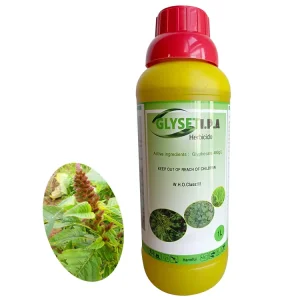
Broad-spectrum systemic compounds such as Glyphosate 480SL provide complete non-selective knockdown across industrial sites, pre-planting fields, and forestry management by inhibiting the EPSP synthase pathway.
For commercial agrochemical distributors, government agricultural departments, and large-scale farming corporations, procuring broadleaf weed killers requires evaluated decisions across multi-tier criteria. Price per active unit is no longer the sole vector; containerized stability, chemical shelf-life, surfactant blend synergy, and international regulatory clearance govern the total cost of ownership (TCO).
| Herbicide Chemistry | Primary Target Weeds | Crop Selectivity | Formulation Types | Global Demand Hubs |
|---|---|---|---|---|
| 2,4-D Acid / Amine / Ester | Dandelions, Plantain, Mustard, Thistle | Selective (Corn, Small Grains, Turf) | 720g/L EC, 860g/L SL, 98% TC | North America, South America, Eastern Europe |
| Penoxsulam | Barnyardgrass, Broadleaf aquatic weeds, Sedges | Selective (Paddy Rice, Orchards) | 25g/L OD, 240g/L SC, 98% TC | Southeast Asia, South America, South Asia |
| Glyphosate Systemic | Non-selective broad-spectrum (Dicots & Monocots) | Non-Selective (Pre-plant, Industrial) | 480g/L SL, 620g/L IPA, 75.7% WDG | Global Enterprise Distribution |
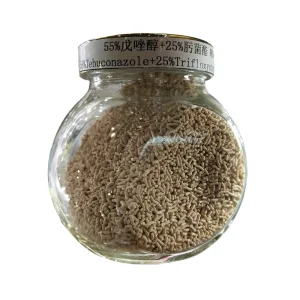
| Tebuconazole + Trifloxystrobin | Fungal broadleaf foliage pathogens | Broad Crop Safety | 50% WDG, 75% WDG, 250 SC | CIS Region, Middle East, Latin America |
Enterprise supply chains must account for extreme climate shifts and sudden weed infestation breakouts. Maintaining strategic reserves of technical concentrates (TC) and high-density soluble liquids (SL) ensures agility when local agricultural windows open.
As regulatory pressure against volatile organic compounds (VOCs) and spray drift increases, agrochemical R&D is shifting toward low-volatility, water-based, and microencapsulated delivery systems. Advanced formulation technology optimizes droplet deposition, rainfastness, and leaf-cuticle penetration while minimizing off-target drift.
Polymer micro-capsules enclose volatile active ingredients, controlling release rates over weeks and eliminating vapor drift in high-temperature zones.
Dust-free, highly soluble dry formulations that disperse instantly in spray tanks, offering easier transportation and non-hazardous storage handling.
Integrating bio-based ethoxylated fatty amines and methylated seed oils directly into the liquid matrix to enhance stomatal uptake on waxy broadleaf species.
Dual-action Premixes combining synthetic auxins with contact protoporphyrinogen oxidase (PPO) inhibitors to eradicate multi-herbicide-resistant biotypes.
Awiner Biotech was founded in 2006, located in north of China-Shijiazhuang, Hebei Province. The city is close to our capital Beijing, transportation is convenient. Awiner Biotech is committed to research, produce and distribute agrochemicals, mainly dealing with pesticides, herbicides, fungicides, plant growth regulators, and public health pesticides.
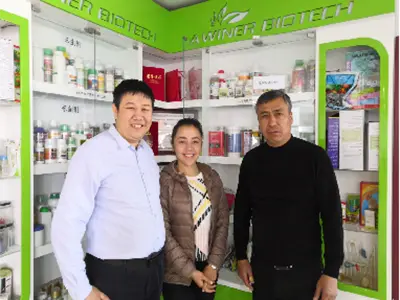
Up to now, we have won customers from Iraq, Iran, Afghanistan, Pakistan, India, Libya, Syria, Turkey, Yemen, Ukraine, Russia, Kazakhstan, Uzbekistan, Chile, Bolivia, Mexico, Brazil, Paraguay, Nigeria, Djibouti, Rwanda, Somalia, Malaysia, Cambodia, Nepal, Myanmar and so on.
Our active global market participation and field survey capabilities enable us to tailor specific formulations, packaging formats, and registration support packages directly aligned with regional climatic conditions and localized regulatory mandates.
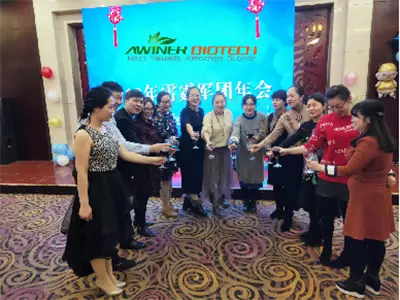
Exhibition Profile: Our countries participating in international chemical and agronomic exhibitions include Turkey, Iran, Pakistan, Nigeria, Russia, Cambodia, Malaysia, Uzbekistan, and more.
Customer Market Survey Protocol: We go directly to the customer's country to conduct rigorous market inspections, analyze agronomic challenges, and solve product efficacy issues for them. We thoroughly evaluate real-world product usage and crop safety under diverse conditions, while regularly hosting international client delegations at our manufacturing and lab facilities.
Navigating regulatory landscapes requires strict compliance with international standards set by FAO/WHO specifications. Awiner Biotech operates rigorous quality assurance protocols at every stage of synthesis, formulation batching, and packaging.
Provision of full Good Laboratory Practice (GLP) data packets, toxicological evaluations, environmental fate studies, and certificates of analysis (COA) to facilitate fast local Ministry of Agriculture registrations.
From 100mL fluorinated HDPE bottles to 200L steel drums and 1000L IBC totes, all containers undergo UN-certified drop, pressure, and stack testing for ocean freight safety.
Every batch of technical chemical and finished formulation is subjected to High-Performance Liquid Chromatography (HPLC) to verify active ingredient concentration and impurity thresholds.
Essential technical, logistical, and commercial information for agricultural distributors and bulk chemical purchasers.
 Awiner Biotech