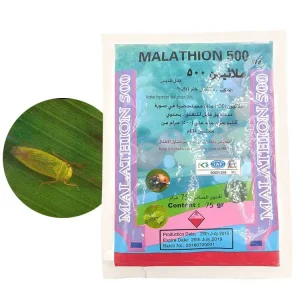
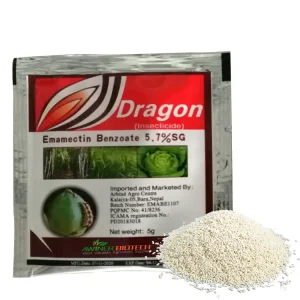
Direct factory wholesale supply tailored for Uzbekistan, Kazakhstan, Turkmenistan, and regional Central Asian cotton farming complexes.
The Central Asian cotton belt—spanning historical agricultural valleys across Uzbekistan, Kazakhstan, Tajikistan, Turkmenistan, and Kyrgyzstan—represents one of the most critical cotton-producing ecosystems globally. Commonly referenced under the industry cluster tag #centralasiacotton, this geographic zone produces millions of metric tons of high-grade staple fiber annually, fueling global textile supply chains across Asia, Europe, and the Middle East.
However, modern cotton farming in Central Asia faces complex macroeconomic and agronomic pressures. Climate variability, changing soil salinity levels, water management transitions (shifting from legacy flood irrigation to automated drip fertigation), and aggressive insect pest pestilence require a modernized chemical inputs architecture. To achieve maximum yield per hectare (quintal/ha) while meeting stringent export fiber quality requirements (length, strength, and micronaire), agricultural enterprises must deploy high-efficiency active ingredients, broad-spectrum insecticides, systemic plant growth regulators (PGRs), and targeted fungicides.
Central Asian continental climates experience sharp temperature fluctuations between germination and boll opening. S-Abscisic Acid (S-ABA) and 6-BA regulators enhance cold tolerance during early seedling establishment.
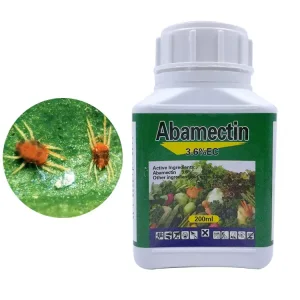
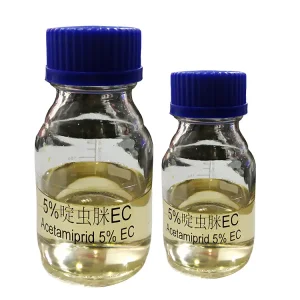
High resistance rates among aphids (Aphis gossypii) and red spider mites necessitate rotation of multi-action insecticides such as Abamectin 3.6% EC and Acetamiprid 5% EC.
The move toward 100% mechanical harvesting in Uzbekistan demands precise chemical timing using growth regulators to clear foliage and ensure clean boll picking.
As the primary source for global active ingredient (AI) synthesis and advanced formulation processing, Chinese chemical clusters offer unmatched advantages for B2B agricultural buyers, state-owned agrarian enterprises, and regional distributors in Central Asia. Our manufacturing operations in Shijiazhuang, Hebei Province, sit at the heart of China’s leading agrochemical synthesis corridor, providing clear commercial and structural benefits:
From raw technical chemical synthesis (TC grade) to high-value end-user formulations—including Water Dispersible Granules (WDG), Emulsifiable Concentrates (EC), Suspension Concentrates (SC), and Emulsion in Water (EW)—Chinese manufacturing ensures strict quality control at every molecular stage. This integrated approach reduces cost overheads while enforcing high technical purity.
Located in northern China, our manufacturing facilities utilize direct railway networks connecting China to Central Asia (such as the China-Europe / Trans-Caspian express lines via Alashankou and Khorgos). Cargo can reach key agricultural hubs—including Tashkent, Samarkand, Shymkent, and Turkmenabat—in significantly shorter transit times compared to European or American shipping lines, reducing inventory holding costs and buffer requirements.
Modern Chinese pesticide manufacturing adheres strictly to FAO/WHO specs. Formulations undergo rigorous HPLC (High-Performance Liquid Chromatography) testing to guarantee active ingredient content, emulsion stability, cold storage suspension properties, and minimal toxic impurities.
| Active Formulation | Target Pest / Agronomic Function | Application Rate / Ha | Central Asia Regional Suitability |
|---|---|---|---|
| Abamectin 3.6% EC | Two-spotted spider mites, leafminers | 150 - 300 mL / ha | High heat, low humidity summer conditions in Fergana Valley |
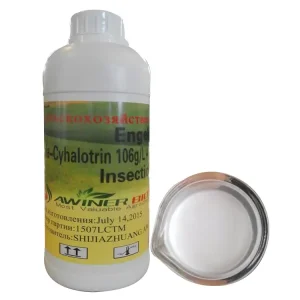
| Lambda-cyhalothrin + Thiamethoxam SC | Cotton bollworm, whiteflies, aphids | 200 - 350 mL / ha | Bimodal action for mid-season heavy infestation cycles |
| Emamectin Benzoate 5% WDG | Lepidopterous pests, resistant caterpillars | 150 - 250 g / ha | Fast knockdown with rain-fast translaminar activity |
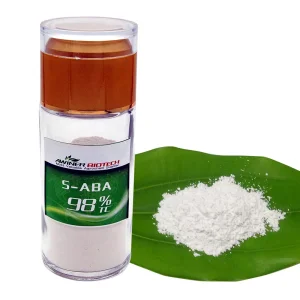
| S-Abscisic Acid (S-ABA) 98% TC | Abiotic stress relief, drought/cold protection | 10 - 25 g / ha | Early spring seedbed protection during cold snaps |
| Flusilazole 10% EW | Verticillium wilt, leaf spot diseases | 300 - 450 mL / ha | Systemic fungal control for irrigated field conditions |
The agricultural landscape across the #centralasiacotton sector is undergoing its most significant technological evolution in decades. Driven by state-level privatization, modern cluster management models (especially in Uzbekistan), and international sustainability certifications, farm managers are optimizing input strategies to maximize economic return.
Traditional high-volume ECs are being replaced by eco-friendly WDG, SC, and EW formulations. These minimize organic solvent footprints, lower transport freight costs, and offer enhanced storage stability in high-temperature warehouses across Central Asia.
Yield optimization requires precise hormonal management. Using 6-Benzylaminopurine (6-BA) alongside Gibberellic Acid (GA4+7) accelerates seedling development, increases branch fruiting sites, and minimizes boll abortion during peak summer heat spikes.
Repeated single-active chemical applications have accelerated pest resistance in cotton aphid and bollworm populations. The market is shifting toward dual-active premixes—such as Lambda-cyhalothrin + Thiamethoxam SC—which target dual target sites concurrently.
Different crop growth stages require structured agronomic protocols tailored to Central Asian weather patterns, irrigation methods, and local pest pressure dynamics:
During early spring, unseasonal cold fronts can induce severe physiological stress, stunted root growth, and seedling damping-off. Solution Protocol: Foliar application of S-Abscisic Acid (S-ABA) 98% TC combined with low concentrations of 6-BA triggers stress-defense enzyme pathways. Seed treatment or early spray with Acetamiprid 5% EC protects young cotton shoots against early thrips and aphid colonization.
Rapid canopy growth demands disease protection and suckling insect suppression before flowering. Solution Protocol: Application of Pymetrozine 25% WP selectively halts aphid feeding without harming beneficial predator insects. Systemic protection against leaf mold and Verticillium wilt is maintained via spray cycles of Flusilazole 10% EW or Mancozeb 64% + Metalaxyl 4% WP.
High temperatures create ideal breeding conditions for two-spotted spider mites and Helicoverpa armigera bollworms. Solution Protocol: High-impact knockdowns using Abamectin 3.6% EC for mite management combined with Emamectin Benzoate 5% WDG or Lambda-cyhalothrin + Thiamethoxam SC for caterpillar control. Spray applications must utilize fine droplets for uniform under-leaf coverage.
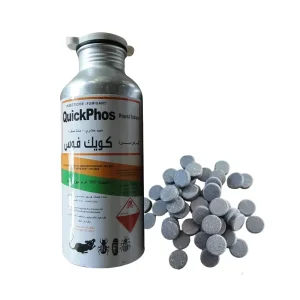
Following harvest, raw cotton seeds and agricultural storage facilities require disinfestation against grain borers, beetles, and moths. Solution Protocol: Enclosed fumigation treatment utilizing Aluminum Phosphide 56% TB tablets ensures zero post-harvest storage losses for seed reserves.
Founded in 2006, Awiner Biotech has developed into an established agrochemical research, manufacturing, and international distribution enterprise. Located in Shijiazhuang, Hebei Province, near China's capital city Beijing, our strategic position benefits from convenient transport links to major commercial sea ports (Tianjin/Qingdao) and direct Eurasian freight rail corridors.
Awiner Biotech specializes in the scientific research, custom synthesis, and international distribution of high-grade pesticides, herbicides, fungicides, plant growth regulators, and public health products. We provide full regulatory registration support, flexible COA/MSDS documentation, custom retail package design, and on-site technical agronomic assistance.
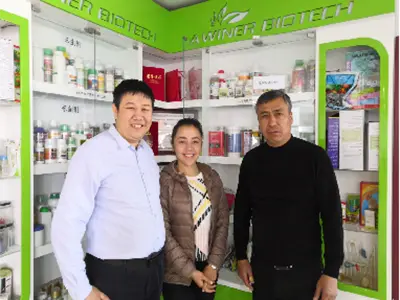
We actively engage in comprehensive field inspections and market analysis directly within our client countries. By examining real-time field crop conditions, soil pH variations, and pest resistance levels, our agronomic teams deliver customized chemical dosage recommendations tailored to specific regional challenges.
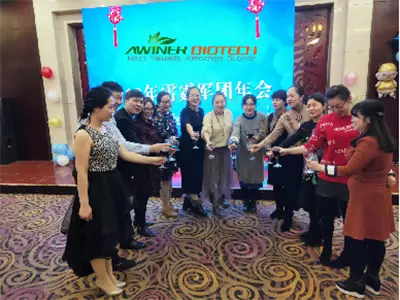
International Trade Presence: We regularly participate in primary international agricultural chemical exhibitions in countries including Turkey, Iran, Pakistan, Nigeria, Russia, Cambodia, Malaysia, and Uzbekistan.
Extensive Export Destinations: Our customer footprint spans Uzbekistan, Kazakhstan, Russia, Ukraine, Tajikistan, Turkmenistan, Iraq, Iran, Afghanistan, Pakistan, India, Libya, Syria, Turkey, Yemen, Chile, Bolivia, Mexico, Brazil, Paraguay, Nigeria, Djibouti, Rwanda, Somalia, Malaysia, Cambodia, Nepal, Myanmar, among others.
Comprehensive agricultural protection, plant growth regulation, and public health vector control solutions.
 Awiner Biotech