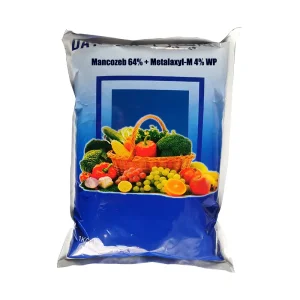
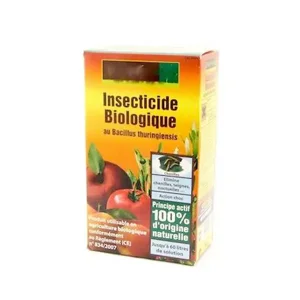
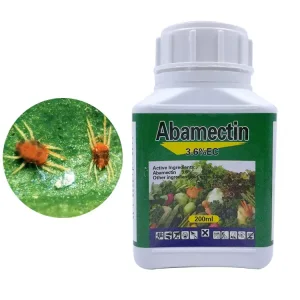
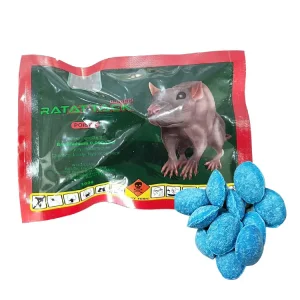
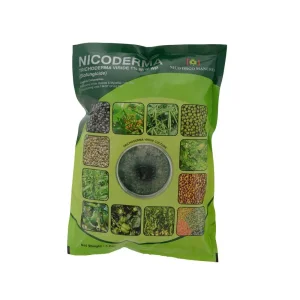
Direct factory wholesale formulations engineered for targeted pest control, high bio-efficacy, and crop safety across global agricultural markets.
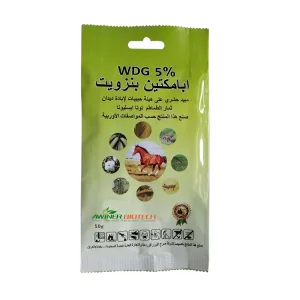
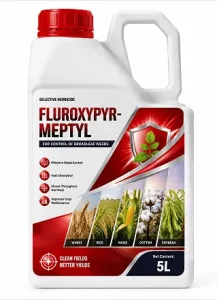
Analyzing global lint crop loss dynamics, pest mutation vectors, and the urgent market demand for scalable B2B chemical manufacturing.
Cotton (*Gossypium hirsutum*) represents one of the most chemically intensive broadacre cash crops worldwide, serving as the foundational raw material for the global textile value chain. However, infestation from invasive arthropod complexes causes an estimated 30% to 50% annual yield reduction if unmanaged. Sucking pest complexes such as Cotton Aphids (*Aphis gossypii*), Whiteflies (*Bemisia tabaci*), and Thrips alongside chewing lepidopteran pests like the Cotton Bollworm (*Helicoverpa armigera*) impose dual threats: direct tissue destruction and vector-mediated virus transmissions (e.g., Cotton Leaf Curl Virus).
Over-reliance on legacy single-active pyrethroids or organophosphates has accelerated metabolic and target-site resistance in key cotton growing regions across South Asia, LATAM, and Africa. Modern chemical purchasing mandates require multi-mechanism active ingredient (AI) formulations, tank-mix synergists, and bio-insecticide integrations (such as *Bacillus thuringiensis* formulations) to satisfy Insecticide Resistance Action Committee (IRAC) guidelines while preventing economic threshold breach.
For multinational distributors, state agricultural procurement boards, and commercial farm syndicates, securing scalable access to robust **cotton pest control insecticide factories** is no longer merely a purchasing decision—it is a strategic risk mitigation exercise. Factory-direct procurement guarantees chemical purity, batch-to-batch consistency, customized concentration ratios, and cost mitigation against raw material price volatility.
Transitioning from traditional emulsifiable concentrates to advanced micro-encapsulation, water-dispersible granules, and precision-matched active combinations.
Controlled-release Capsule Suspension (CS) technology encapsulates volatile pyrethroids or organophosphates inside polymeric micro-shells. This technical innovation reduces photo-degradation under harsh UV radiation in tropical cotton belts, extends residual foliar persistence by up to 14 days, and significantly lowers dermal toxicity for field applicators.
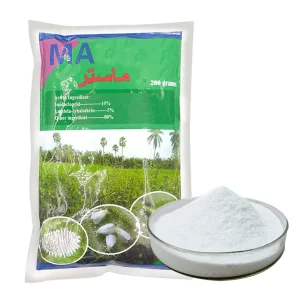
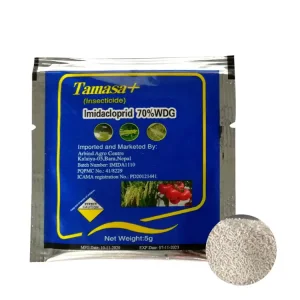
Phasing out high-VOC aromatic solvent EC formulations, factory production lines are advancing high-dispersibility WDG and Soluble Granule (SG) formats (e.g., Emamectin Benzoate 5% WDG, Imidacloprid 75% WDG). These eco-conscious dry flowables eliminate dust hazards, optimize storage stability in high-temperature warehouses, and dissolve rapidly in tank mixes.
With aerial drone spraying expanding across major agricultural sectors, factory chemical engineers have developed low-viscosity, anti-evaporation Ultra-Low Volume (ULV) and Oil Dispersion (OD) formulations. These exhibit enhanced droplet retention, zero nozzle-clogging traits, and optimized canopy penetration.
Our research and manufacturing operations strictly follow the IRAC classification framework to synthesize dual-action and multi-site chemistry, ensuring high mortality across both resistant and susceptible pest lineages:
| Target Pest Group | Primary Insecticide Active (AI) | IRAC MoA Group | Formulation Types Offered | Agronomic Benefit |
|---|---|---|---|---|
| Cotton Bollworm (*Helicoverpa*) | Emamectin Benzoate / Abamectin | Group 6 (Glutamate-gated chloride channel allosteric modulators) | 5% WDG, 3.6% EC, 1.9% EC | Rapid paralytic action, translucent foliage penetration, rainfast within 2 hours. |
| Sucking Complex (Aphids, Thrips) | Imidacloprid / Acetamiprid | Group 4A (Neonicotinoids) | 20% SL, 75% WDG, 70% WP | Systemic acropetal transport, rapid knockdown of sap-sucking insects. |
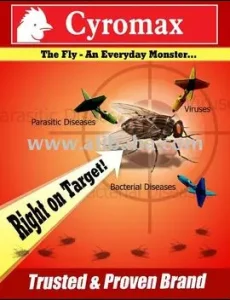
| Whitefly (*Bemisia tabaci*) | Cyromazine / Pyriproxyfen + Synthetic Pyrethroid | Group 17 (Dipteran chitin synthesis inhibitors) & Group 3A | 2% WDG, 15% Imidacloprid + 5% Lambda-cyhalothrin WP | Breaks life cycle by disrupting nymphal molting and adult egg viability. |
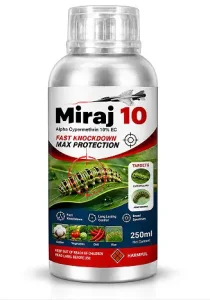
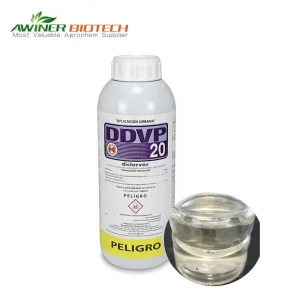
| Boll Weevil & Caterpillars | Alpha-Cypermethrin / DDVP | Group 3A (Sodium channel modulators) & Group 1B | 10% EC, 97% TC, 50% EC | High-impact contact activity, excellent vapor action in dense crop foliage. |
| Biological / Resistance Rotation | Bacillus thuringiensis (BT) | Group 11 (Microbial disruptors of insect midgut membranes) | 32000 IU/mg WP, 16000 IU/mg WP | 100% organic-compliant bio-pesticide, completely safe for beneficial predatory mites. |
Holistic, crop-stage-specific intervention models engineered for commercial agronomy and large-scale agricultural enterprises.
Primary Threat: Thrips, Cutworms, Wireworms.
Factory Protocol: Seed dressing slurries utilizing high-concentration Imidacloprid (70% WS) or systemic soil drenches. Establishes an early-stage chemical shield protecting root zones and young leaves during the critical first 30 days.
Primary Threat: Cotton Aphids, Fleahoppers, Spider Mites.
Factory Protocol: Foliar spraying of Abamectin 3.6% EC combined with targeted Neonicotinoid formulations (Imidacloprid 20% SL). Eliminates sap-sucking colonies before leaf curling retards photosynthetic efficiency.
Primary Threat: Pink Bollworm, Tobacco Budworm, American Bollworm.
Factory Protocol: Rotation of Emamectin Benzoate 5% WDG with broad-spectrum synthetic pyrethroids (Alpha Cypermethrin 10% EC) or biological *Bacillus thuringiensis* (BT 32000 IU/mg) to prevent fruit-boring tunneling.
Primary Threat: Late-season Whitefly lint contamination (Sooty Mold).
Factory Protocol: Application of Cyromazine 2% WDG combined with fast-acting, low-residue active combinations. Preserves fiber quality and lint whiteness prior to mechanical harvesting.
Leveraging advanced synthesis infrastructure, automated filling lines, and stringent quality control protocols in Hebei Province.
Located in the industrial chemical hub of Shijiazhuang, Hebei Province (adjacent to Beijing), our state-of-the-art manufacturing center features high-volume liquid formulation reactors, jet-milling fluid beds for dry powder synthesis, and multi-lane automated filling machinery. This setup guarantees rapid production throughput, eliminating delivery bottlenecks during peak regional agricultural spraying seasons.
Every batch of wholesale insecticide undergoes multi-stage laboratory validation using High-Performance Liquid Chromatography (HPLC), Gas Chromatography (GC), particle size analyzers, and wet sieve stability tests. Products are strictly formulated to comply with Food and Agriculture Organization (FAO) and World Health Organization (WHO) international specifications.
Flexible synthesis, custom formulation design, and international shipping solutions tailored for global agrochemical brand owners.
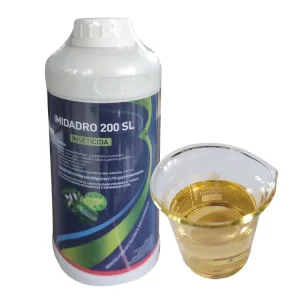
We work directly with commercial clients to engineer customized multi-component active mixtures (e.g., Neonicotinoid + Pyrethroid, IGR + Macrocyclic Lactone) tuned specifically to overcome regional pest resistance profiles. We offer customized concentrations, optimized surfactant systems, and specialized adjuvant inclusions.
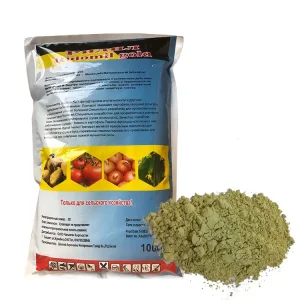
From 100mL fluorinated HDPE bottles to 200L steel drums and 10kg aluminum foil bags with multi-lingual high-definition print graphics, our factory provides complete private label OEM branding. All packaging undergoes rigorous leakage, pressure, and drop testing compliant with UN Dangerous Goods transport standards.
Strategically situated near Tianjin Port and Qingdao Port, our logistics operations support FCL and LCL shipments, hazardous chemical freight handling, temperature-controlled containerization, and fast-track customs declaration to reduce transit lead times to global destinations.
Providing full regulatory support, GLP dossier generation, and local market clearance to simplify international pesticide registration.
Pesticide registration is a complex hurdle for overseas importers. Awiner Biotech provides comprehensive regulatory support dossiers, including:
We actively assist regional partners in securing localized pesticide permissions. Our compliance team works alongside local ministries of agriculture to ensure seamless product approval across diverse agricultural markets:
Discover Awiner Biotech's legacy, international exhibition presence, and client-centric agricultural field survey model.
Awiner Biotech was founded in 2006, located in north of China - Shijiazhuang, Hebei Province. The city is close to our capital Beijing; transportation is convenient. Awiner Biotech is committed to research, produce, and distribute agrochemicals, mainly dealing with pesticides, herbicides, fungicides, plant growth regulators, and public health pesticides.
With nearly two decades of rapid evolutionary growth, we have transformed into a key exporter of high-grade agrochemicals, standing out for technical expertise, reliable supply chains, and customer-first service.
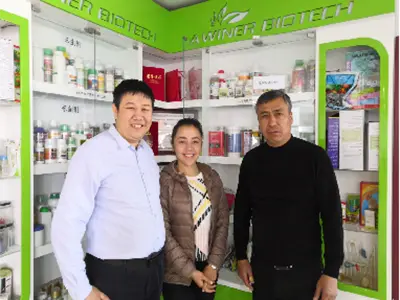
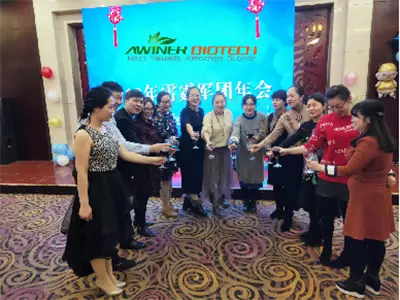
Up to now, we have won trusted customers from Iraq, Iran, Afghanistan, Pakistan, India, Libya, Syria, Turkey, Yemen, Ukraine, Russia, Kazakhstan, Uzbekistan, Chile, Bolivia, Mexico, Brazil, Paraguay, Nigeria, Djibouti, Rwanda, Somalia, Malaysia, Cambodia, Nepal, Myanmar, and so on.
Our company actively participates in major global agricultural and agrochemical expos. Countries where we participate in industry exhibitions include Turkey, Iran, Pakistan, Nigeria, Russia, Cambodia, Malaysia, Uzbekistan, and more, establishing face-to-face trust with local buyers.
We routinely travel directly to customer countries to conduct field-level market inspections, analyze agronomic and pest pressure problems on-site, evaluate real-world product usage, and optimize solutions. Customers also regularly visit our factory facilities in China.
Expert answers addressing active formulations, factory minimum order quantities, stability, registration support, and customization.
Explore our extended series of wholesale agrochemicals, fungicides, herbicides, and public health pesticides manufactured for international export.
 Awiner Biotech