High-purity technical grade chemicals and enterprise formulations engineered for target pest suppression, field stability, and yield protection.
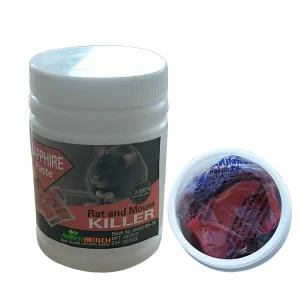
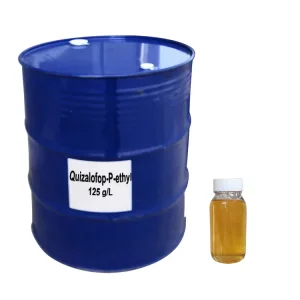
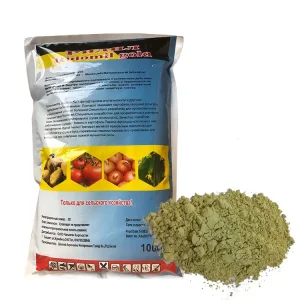
Analysis of changing insect vector distributions, economic yield loss models, and evolving chemical demand profiles across major global agricultural hubs.
Chewing pests—predominantly belonging to the orders Lepidoptera (caterpillars, armyworms, bollworms, stem borers), Coleoptera (beetles, rootworms, weevils), and Orthoptera (locusts, grasshoppers)—represent one of the most severe economic threats to broadacre row crops, commercial orchards, and greenhouse cultivation worldwide. Unlike sap-sucking pests that primarily act as viral vectors while feeding on vascular phloem, chewing pests inflict direct, rapid biomass destruction. Their Mandibulate mouthparts physically sever foliage, bore into fruit bodies, stems, and seed pods, and disrupt root absorption systems. Left unchecked, severe infestations can lead to 100% crop defoliation within 48 to 72 hours.
In recent years, the market demand for wholesale insecticide for chewing pests has undergone significant transformation. Dynamic climate shifts, expanded double-cropping schedules, and long-term continuous monoculture have expanded the geographic boundaries of persistent threats such as Spodoptera frugiperda (Fall Armyworm), Helicoverpa armigera (Cotton Bollworm/Corn Earworm), and Diabrotica virgifera (Western Corn Rootworm). Regions historically unaffected by tropical Lepidopteran pressures now report elevated overwintering survival rates, prompting commercial growers to seek potent, cost-effective, and rainfast chemical intervention strategies.
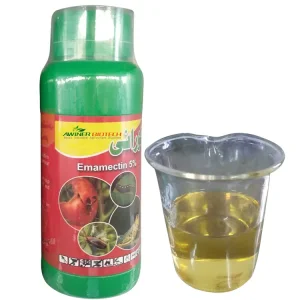
Continuous overuse of single-site organophosphates and synthetic pyrethroids has catalyzed metabolic and target-site mutations. Modern formulations now incorporate synergistic chemical partners, such as Emamectin Benzoate combined with novel Insect Growth Regulators (IGRs), to restore mortality efficacy.
For high-value commercial exporters in South America and Southeast Asia, pest management costs account for 12% to 18% of total seasonal expenditure. Procuring stabilized technical grade materials directly from original manufacturers significantly reduces unit-hectare treatment costs.
Global food safety standards enforce stringent Maximum Residue Limits (MRLs). Procurement strategies must align chemical choice with target crop harvest intervals (PHI) to guarantee seamless international food export compliance.
Deep dive into neurotoxic disruptors, chitin synthesis inhibition, stomach action efficiency, and advanced adjuvant technologies.
Selecting the correct chemical agent requires a precise understanding of the pest's physiology, feeding behavior, and life-cycle vulnerability. Effective control of chewing pests hinges on two primary delivery pathways: stomach action (ingestion during plant consumption) and contact toxicity (direct cuticle penetration). Modern chemical synthesis focuses on targeting insect neuromuscular junctions to cause rapid feeding cessation, minimizing structural plant damage even before mortality occurs.
The biological performance of an active ingredient depends heavily on its formulation chemistry. Modern B2B buyers favor Water Dispersible Granules (WDG) and Suspension Concentrates (SC) over traditional Emulsifiable Concentrates (EC). WDG formulations eliminate toxic organic solvents, lower transport volatile risks, and deliver superior suspension stability in hard water spray tanks, extending field residual activity against leaf-chewing larvae.
How automated synthesis, continuous flow technology, and raw material integration provide global buyers with unmatched price-performance ratios.
China has established itself as the indispensable epicenter of global agrochemical manufacturing, supplying over 70% of the world's active pesticide ingredients. Modern Chinese chemical synthesis complexes have evolved beyond basic toll manufacturing into sophisticated **Industry 4.0 Smart Facilities**. Utilizing continuous-flow microreactors, automated DCS (Distributed Control Systems), and AI-driven quality monitoring, Chinese chemical producers achieve unmatched product purity, batch consistency, and environmental safety standard compliance.
At Awiner Biotech, located in Shijiazhuang, Hebei Province—adjacent to the logistics hub of Beijing—our production infrastructure integrates raw chemical synthesis with precision custom formulation blending. By maintaining control over key chemical precursors, we shield global importers, distributors, and multinational brands from raw material price volatility while ensuring reliable, scalable delivery schedules.
Essential benchmarks for international importers, tender managers, and regional distributors requesting wholesale insecticide quotes.
Procuring commercial-grade agrochemicals requires careful evaluation beyond initial price-per-kilogram quotes. International buyers must navigate complex chemical registration dossiers, customs regulations, transport safety classifications, and long-term shelf-life guarantees. A thorough procurement evaluation matrix should encompass the following critical metrics:
Ensure active technical ingredients (TC) meet FAO/WHO specifications. Uncontrolled impurities can cause crop phytotoxicity, trigger chemical degradation in liquid formulations, or cause registration rejections by national agricultural ministries.
Speed-to-market relies on supplier regulatory support. Awiner Biotech provides comprehensive registration packages, including GLP-certified 5-batch analysis reports, acute toxicology studies, environmental impact profiles, and COA documentation.
Formulations must withstand high humidity, oceanic transits, and extreme field storage conditions. Option offerings range from fluorinated HDPE containers, UN-certified aluminum bottles, to custom co-extruded multi-layer WDG sachets with private OEM labeling.
Customized treatment protocols tailored to specific regional cropping systems, climatic pressures, and pest dynamics.
In the vast grain belts of South America, massive continuous soy, corn, and cotton rotations create ideal conditions for Spodoptera frugiperda and Chrysodeixis includens. High ambient temperatures accelerate pest lifecycle transitions, causing overlapping insect generations. Importers in these regions rely on high-concentration Emamectin Benzoate 5% WDG and Diazinon 600g/L EC tank-mixed with oil-based adjuvants to enhance canopy penetration and resist tropical downpours.
Focusing heavily on wheat, barley, sunflower, and sugarbeet production, growers in these regions require low-temperature stable insecticides capable of managing cereal beetles (Lema melanopus) and cutworms early in the spring. Systemic seed treatment formulations combined with residual foliar sprays like Propanil and selective organophosphates maintain crop yield during rapid early vegetative growth phases.
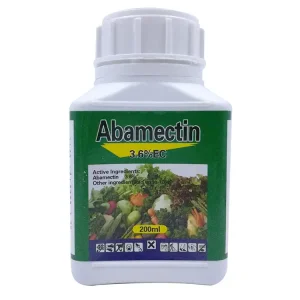
In tropical paddy rice fields and fruit orchards (durian, mango, citrus), chewing pests such as Stem Borers (Scirpophaga incertulas) and Leaf Folders pose constant threats. High humidity accelerates rapid spray wash-off. Water-dispersible granules (WDG) and microencapsulated suspension formulations of Abamectin and targeted growth regulators deliver extended residual control, reducing application frequency for smallholders and commercial farms alike.
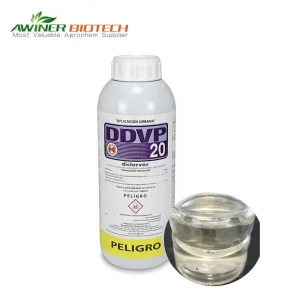
Arid climates and desert margins frequently face devastating migratory locust infestations (Schistocerca gregaria) alongside specialized date palm and cotton pests. Highly concentrated liquid formulations like DDVP 1000g/L EC and Flumethrin 1% EC are engineered for Ultra-Low Volume (ULV) aerial and ground fogging applications, maximizing rapid knock-down across extensive open acreages.
Empowering global agriculture with certified crop protection chemistry, on-site technical support, and robust international trade partnerships.
Founded in 2006, Awiner Biotech is located in northern China at Shijiazhuang, Hebei Province. Situated close to China's capital, Beijing, our strategic location provides excellent transport logistics and seamless port connectivity for global sea and air freight exports. Awiner Biotech is dedicated to the research, production, and international distribution of advanced agrochemicals. Our comprehensive product portfolio includes insecticides, herbicides, fungicides, plant growth regulators (PGR), and public health vector control solutions.
We actively visit our clients' countries to conduct detailed market inspections, analyze regional pest pressure challenges, and solve field application issues on site. By gaining direct insights into localized product usage, we continuously refine chemical formulations to better serve local market needs. We routinely host overseas partners at our manufacturing labs and modern facilities to foster long-term strategic relationships.
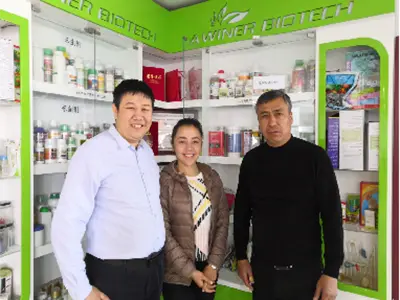
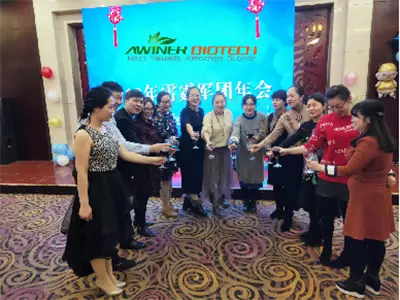
Through years of commitment to strict quality control, FAO compliance, and customer service, Awiner Biotech has built strong partnerships across multiple continents. Our long-term commercial relationships span countries including:
To remain connected with regional agricultural trends, our technical specialists regularly participate in major international trade exhibitions across Turkey, Iran, Pakistan, Nigeria, Russia, Cambodia, Malaysia, Uzbekistan, and beyond.
Expert technical answers addressing chemical compatibility, resistance management, delivery timelines, and custom formulation options.
Explore our broader portfolio of bio-pesticides, high-efficiency selective herbicides, fungicides, and plant growth regulators.
 Awiner Biotech