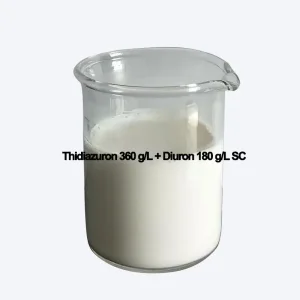
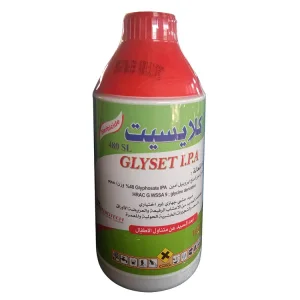
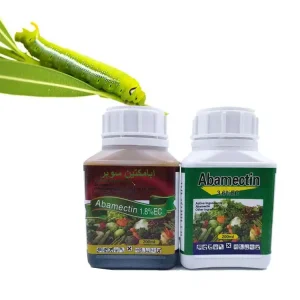
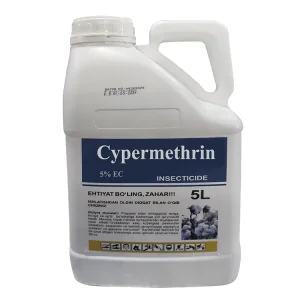
High-performance pesticides, herbicides, and crop care formulations engineered for tropical & subtropical agricultural resilience.
Enabling sustainable yield protection through high-capacity manufacturing, rigorous quality assurance, and global distribution logistics.
A Strategic Engineering Framework for Agrochemical Importers, Wholesalers, and Plantation Managers
Tropical and subtropical agricultural ecosystems—spanning Southeast Asia, Sub-Saharan Africa, Latin America, and South Asia—present the most demanding pest management environments globally. Characterized by high thermal indices, perpetual relative humidity, intense solar radiation, and torrential precipitation events, tropical crop protection demands agrochemical formulations specifically engineered for environmental persistence and superior bio-efficacy.
Unlike temperate farming zones where winter freezing interrupts insect biological lifecycles, tropical climates foster continuous pest reproduction. Species such as Spodoptera frugiperda (Fall Armyworm), Bemisia tabaci (Whitefly), Planococcus citri (Mealybug), and Bactrocera dorsalis (Oriental Fruit Fly) undergo up to 12–15 generations per year. This hyper-prolific reproductive capacity accelerates chemical resistance development, forcing agricultural enterprises and regional distributors to procure advanced, multi-mechanism insecticides with superior rainfastness and thermal stability.
Standard agrochemical formulations designed for temperate zones frequently fail in tropical plantations due to rapid photolysis (solar degradation) and active ingredient wash-off during heavy monsoon downpours. Sourcing customized SC (Suspension Concentrate), WDG (Water Dispersible Granules), and CS (Capsule Suspension) formulations from specialized Chinese manufacturing hubs ensures optimized canopy coverage and longer residual control.
China stands as the global anchor for agrochemical synthesis and formulation engineering, producing over 70% of the world’s technical-grade Active Ingredients (AIs). Modern Chinese chemical manufacturing complexes have evolved from low-cost raw chemical producers into state-of-the-art hubs of green synthesis, chemical optimization, and complex formulation science.
Direct ownership of intermediate precursor synthesis eliminates intermediate supply disruptions, allowing Chinese factories to maintain stable pricing even during global supply chain volatility.
Transition from old solvent-heavy ECs (Emulsifiable Concentrates) to eco-friendly, high-loading SC, WDG, and micro-encapsulated formulations designed for high-temperature stability.
Fully compliant with FAO/WHO specifications, ISO certifications, and regional regulatory compliance guidelines required for EU, LATAM, and African registrations.
Successful commercial crop protection in tropical regions requires targeted active ingredient selection based on the Insecticide Resistance Action Committee (IRAC) classification system. The following matrix details key tropical crops, dominant insect threats, and optimized active ingredient combinations manufactured for high-volume wholesale export.
| Target Crop | Key Pest Spectrum | Recommended Chemical Class & Active Ingredients | IRAC Mode of Action | Formulation Type |
|---|---|---|---|---|
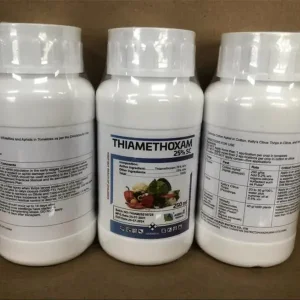
| Coffee & Cocoa | Coffee Berry Borer (Hypothenemus hampei), Cocoa Mirids, Mealybugs | Abamectin + Chlorpyrifos, Imidacloprid, Thiamethoxam | Group 6 (Chloride channel activators) / Group 4A (Neonicotinoids) | SC, EC, WDG |
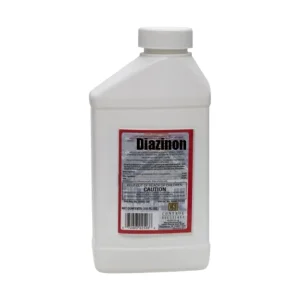
| Oil Palm & Rubber | Bagworms (Metisa plana), Rhinoceros Beetle, Termites | Cypermethrin, Diazinon, Bifenthrin, Chlorantraniliprole | Group 3A (Sodium channel modulators) / Group 28 (Ryanodine receptor modulators) | EC, SC, Granules |
| Banana & Plantain | Banana Weevil (Cosmopolites imperfectus), Thrips, Aphids | Thiamethoxam + Lambda-Cyhalothrin, Buprofezin, Acetamiprid | Group 4A / Group 16 (Chitin biosynthesis inhibitors) | SC, WP, WDG |
| Rice & Sugarcane | Brown Planthopper (Nilaparvata lugens), Stem Borers, Whiteflies | Dinotefuran + Pymetrozine, Thiocyclam-hydrogenoxalate | Group 4M (Nicotinic acetylcholine receptor competitive modulators) / Group 9B | WDG, SP, SC |
| Tropical Fruits (Mango, Citrus) | Fruit Flies (Bactrocera spp.), Scale Insects, Spider Mites | Propargite, Abamectin, Dinotefuran + Imidacloprid | Group 12C (Inhibitors of mitochondrial ATP synthase) / Group 6 | EC, SC, WP |
When selecting insecticides for wholesale distribution in tropical zones, physical formulation kinetics are just as vital as active ingredient toxicity. Standard low-cost chemical formulations often suffer from physical instability when subjected to warm storage conditions or intense field rain. Leading Chinese manufacturing partners focus heavily on surfactant and adjuvant engineering to overcome these obstacles:
Tropical torrential rain can clear up to 90% of surface-applied foliar sprays within minutes of application. By integrating bio-based sticky polymers and organosilicone wetting agents, modern Suspension Concentrate (SC) and Water-Dispersible Granule (WDG) formulations rapidly penetrate the leaf cuticle or form an insoluble matrix on plant epidermis. This ensures high biological action even if precipitation occurs 30–40 minutes post-spray.
Ultraviolet (UV-A and UV-B) radiation in equatorial regions degrades sensitive active molecules like Avermectins (Abamectin, Emamectin Benzoate) and Pyrethroids within 24 to 48 hours. Advanced factories incorporate specialized UV-absorbing lignosulfonates and titanium dioxide micro-particles that shelter the AI molecules from photolysis, effectively doubling residual field protection windows from 4 days to over 10 days.
Port transit and warehouse storage in tropical regions frequently subject agrochemical packaging to internal ambient temperatures exceeding 45°C–50°C. Quality-certified Chinese formulations undergo rigorous 14-day 54°C accelerated thermal stability testing to guarantee zero phase separation, crystal growth, or active breakdown before reaching the end-user farmer.
Widespread misuse of single-site organophosphates and synthetic pyrethroids across Asia, Africa, and South America has led to severe pest resistance outbreaks. B2B distributors and agricultural supply houses can establish competitive market dominance by offering pre-formulated dual-action complex insecticides that combine two distinct MoAs.
For example, combining Dinotefuran (a fast-acting, highly systemic neonicotinoid targeting nervous system receptors) with Pymetrozine (a selective feeding blocker targeting chordotonal organs) stops feeding behavior in piercing-sucking insects like whiteflies and leafhoppers immediately upon contact, while preventing metabolic resistance build-up.
While field tank-mixing is common, improper water pH, hard water ions (Calcium/Magnesium), and incompatibility of inert ingredients frequently cause chemical precipitation in field sprayers. Importing factory-standardized co-formulations (such as Dinotefuran 10% + Imidacloprid 20% WP or Thiocyclam-hydrogenoxalate + Acetamiprid SP) guarantees physical compatibility, uniform droplet dispersion, and maximum field biological performance.
Awiner Biotech was founded in 2006, located in the north of China—Shijiazhuang, Hebei Province. The city is close to our capital Beijing, ensuring convenient transportation and swift access to international logistics corridors. Awiner Biotech is deeply committed to researching, producing, and distributing premium agrochemicals across five primary agricultural divisions: insecticides, herbicides, fungicides, plant growth regulators (PGRs), and public health vector control formulations.
Up to now, we have established long-term strategic commercial relationships with agrochemical importers, distributors, and plantation enterprises from over 30 countries worldwide, including: Iraq, Iran, Afghanistan, Pakistan, India, Libya, Syria, Turkey, Yemen, Ukraine, Russia, Kazakhstan, Uzbekistan, Chile, Bolivia, Mexico, Brazil, Paraguay, Nigeria, Djibouti, Rwanda, Somalia, Malaysia, Cambodia, Nepal, Myanmar, and beyond.
Our commitment extends beyond factory production. Awiner Biotech actively participates in major global agricultural machinery and chemical exhibitions across Turkey, Iran, Pakistan, Nigeria, Russia, Cambodia, Malaysia, Uzbekistan, and other key agricultural hubs. Furthermore, our senior technical teams regularly conduct on-site customer market surveys across target countries. We inspect local field conditions, analyze regional pest pressure, evaluate active product performance under native climatic conditions, and co-develop tailored solution packages alongside our local distribution partners.
Navigating international pesticide trade requires strict adherence to regulatory documentation, hazardous materials shipping classifications, and customized packaging options. When sourcing tropical insecticides from China, global buyers should evaluate suppliers on four key operational pillars:
Expert insights on agrochemical sourcing, tropical pest management, and custom formulation manufacturing.
Explore our extensive factory catalog of specialized insecticides, herbicides, PGRs, and crop protection formulations.
 Awiner Biotech