High-efficacy active ingredients, crop growth regulators, and public health control agents direct from factory.
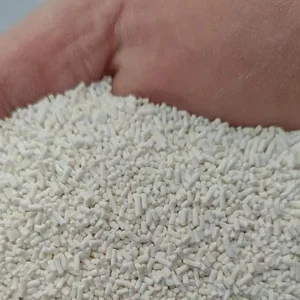
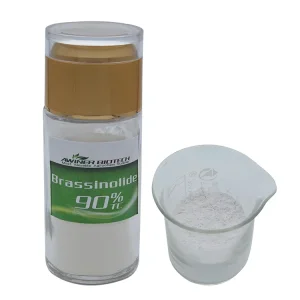
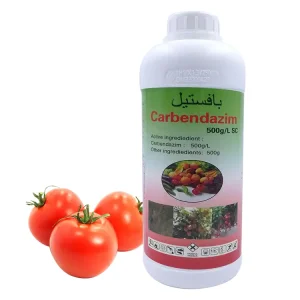
An in-depth analysis of technical active ingredient synthesis, formulation technology innovations, and supply chain resilience for modern global agriculture.
The global market for chemical crop protection is undergoing a massive shift towards high-concentration, eco-friendly formulations such as Water Dispersible Granules (WDG), Suspension Concentrates (SC), and Microemulsions (ME). Enterprise buyers require direct manufacturer partnerships to ensure rigid batch consistency, active ingredient stability, international ICAMA/FAO/WHO compliance, and competitive bulk quotes.
China produces over 70% of the world's active pesticide technical materials (TC). With complete industrial chains spanning basic petrochemical precursors to advanced active ingredient synthesis (e.g., Imidacloprid, Acetamiprid, Emamectin Benzoate), Chinese manufacturers like Awiner Biotech provide unmatched economies of scale and pricing power.
Modern agriculture demands targeted delivery mechanisms. Modern processing units convert technical raw chemicals into optimized commercial preparations (SC, WDG, EC, SL, WP) that maximize bio-efficacy, reduce application rates per hectare, and overcome pest/pathogen resistance management constraints.
Navigating hazardous goods (DG) ocean logistics requires specialized ISO tank handling, UN-approved co-extruded HDPE packaging, and rigorous customs documentation. Direct factory partnerships streamline registration dossiers, COA verification, and multi-port export clearance.
Agrochemical procurement requires a comprehensive understanding of action modes, systemic vs. contact properties, and target organism specificity. Below is an engineering overview of the major agrochemical product categories manufactured for global agricultural distribution.
| Category | Primary Actives & Formulations | Target Spectrum | Key Commercial Value Driver |
|---|---|---|---|
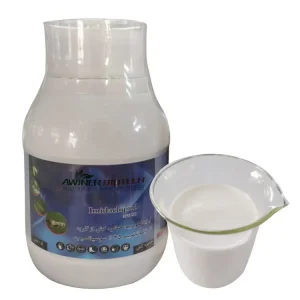
| Systemic Insecticides | Imidacloprid 35% SC, Acetamiprid + Abamectin EC | Aphids, Whiteflies, Thrips, Leafhoppers | Long residual control, rapid foliage uptake, reduced application frequency. |
| Insect Growth Regulators (IGR) | Buprofezin 10% EC, 25% SC, 50% WDG | Homoptera pests, Planthoppers, Scale insects | Disrupts chitin synthesis; eco-friendly to beneficial predatory insects. |
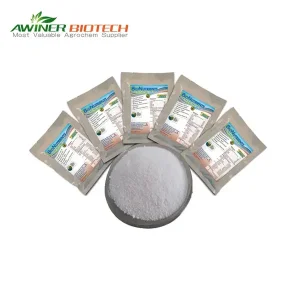
| Broad-Spectrum Herbicides | Tribenuron-methyl 75% WDG | Broadleaf weeds in cereal fields (Wheat, Barley) | Ultra-low dosage rates (grams/hectare), high selectivity, rapid soil breakdown. |
| Targeted Fungicides | Cyprodinil 50%/75% WDG, Carbendazim 50% SC | Botrytis cinerea, Powdery Mildew, Stem Rot | Protective & curative action, multi-site metabolic inhibition against resistant strains. |
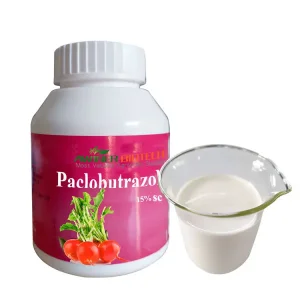
| Plant Growth Regulators (PGR) | Natural Brassinolide 90% TC, Paclobutrazol 15% SC | Crop yield enhancement, vegetative growth suppression | Hormonal regulation, stress tolerance, fruit sizing, lodging resistance in cereals. |
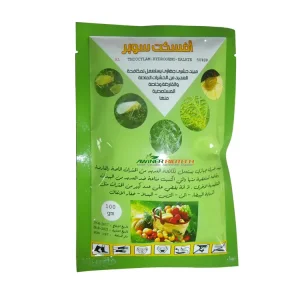
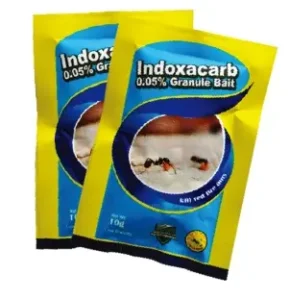
| Public Health Vector Control | Indoxacarb 0.05% Bait, Thiocyclam insecticides | Urban pests, Cockroaches, Armyworms, Caterpillars | Low mammalian toxicity, targeted bait attraction, high environmental safety. |
Modern crop protection strategy hinges on overcoming resistance mechanisms through complex binary and ternary active combinations. For example, combining Profenofos (Organophosphate) with Cypermethrin (Pyrethroid) provides dual-action knockdown and prolonged persistence, targeting resistant bollworms and chewing pests in tropical cash crops.
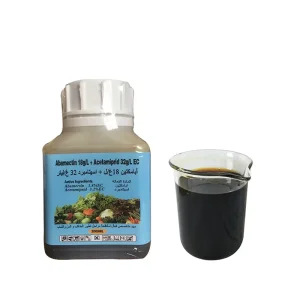
Similarly, combining Acetamiprid (Neonicotinoid) with Abamectin (Avermectin) offers rapid translaminar activity. Acetamiprid blocks central nervous system nicotinic acetylcholine receptors, while Abamectin stimulates GABA release, creating a potent synergistic knockdown against both sap-sucking insects and phytophagous mites in citrus and tobacco plantations.
Legacy Emulsifiable Concentrates (EC) often rely on aromatic hydrocarbon solvents (Xylene, Toluene) with high volatile organic compound (VOC) footprints. Leading Chinese chemical plants have shifted processing focus toward advanced solid and aqueous systems:
Exploring the chemical manufacturing integration, cost efficiency, and scale that define modern pesticide export markets.
Chinese manufacturing hubs in Hebei, Jiangsu, and Shandong host complete chemical synthesis clusters. Direct access to chlorine, phosphorus, and key heterocyclic intermediates eliminates middleman markups and protects against global supply shock disruptions.
From 10ml sachet doses for smallholder farmers to 1000L IBC totes for large industrial plantations, Chinese automated filling lines support multi-layer fluorinated HDPE bottles, aluminum foil pouches, and customized brand labeling with QR traceability.
Securing import permits requires robust technical dossiers. Leading factories support clients with GLP-certified acute oral/dermal toxicity tests, 2-year batch stability studies, crop residue trials, and ICAMA documentation necessary for ministry approvals worldwide.
Founded in 2006, Awiner Biotech is strategically located in Shijiazhuang, Hebei Province, North China. Situated near Beijing, our geographic positioning offers convenient rail, highway, and ocean logistics routes via Tianjin Port, allowing efficient global shipments.
Awiner Biotech is dedicated to the research, synthesis, formulation processing, and international distribution of advanced agricultural chemicals. Our commercial portfolio covers high-potency insecticides, selective and non-selective herbicides, systemic fungicides, plant growth regulators (PGR), and public health vector control formulations.
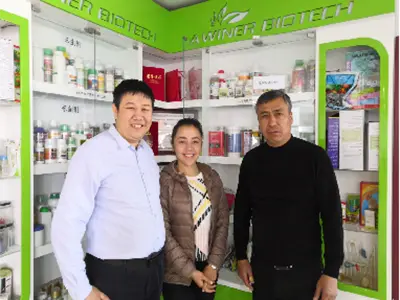
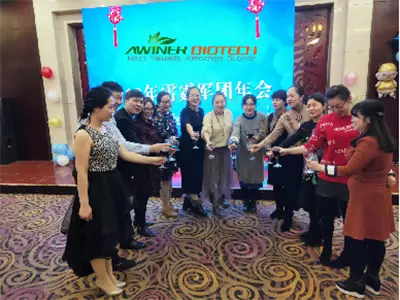
Up to now, Awiner Biotech has successfully built long-term strategic commercial partnerships with agricultural distributors, government procurement bodies, and agro-retail networks across over 30 countries:
Iraq, Iran, Afghanistan, Pakistan, India, Libya, Syria, Turkey, Yemen, Ukraine, Russia, Kazakhstan, Uzbekistan, Chile, Bolivia, Mexico, Brazil, Paraguay, Nigeria, Djibouti, Rwanda, Somalia, Malaysia, Cambodia, Nepal, Myanmar, and beyond.
Our corporate commitment extends beyond factory production. We actively participate in major global agrochemical trade exhibitions in Turkey, Iran, Pakistan, Nigeria, Russia, Cambodia, Malaysia, and Uzbekistan. Furthermore, our agronomists conduct on-site country market surveys—visiting local farms and distributors to audit crop protection performance, evaluate regional pest resistance patterns, and solve formulation adaptation challenges firsthand.
Essential technical, commercial, and regulatory guidance for international importers and distributors.
For standard bulk technical grade active ingredients, lead time is typically 15 to 20 days. Custom retail packaging formulations (e.g., 100ml EC bottles or 1kg WDG pouches) require 25 to 30 days to complete synthesis, quality testing (HPLC/GC), automated packaging, and UN dangerous goods (DG) export clearance.
Every batch undergoes rigorous quality assurance (QA) protocols, including High-Performance Liquid Chromatography (HPLC), Gas Chromatography (GC), wet sieve analysis, and thermal/freeze storage stability testing in accordance with FAO/WHO specifications. Certificates of Analysis (COA) are provided with every shipment.
Yes, we provide technical support for customer product registration. Our team supplies complete registration packages including ICAMA certificates, GLP toxicology reports, physical/chemical property analyses, and bio-efficacy trial data required by agricultural authorities across South America, Africa, the Middle East, and Asia.
We offer full OEM/ODM packaging customization: liquid packaging ranges from 10ml ampoules, 100ml to 1000ml co-extruded HDPE/PET bottles, up to 200L steel drums; powder/granule packaging ranges from 10g foil bags to 25kg fiber drums. All packaging features anti-corrosion barriers and leak-proof seals designed for long-distance maritime transport.
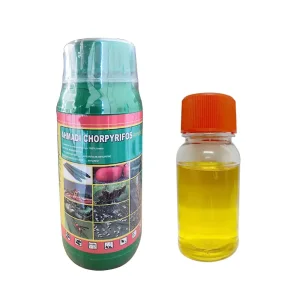
Combination active formulations provide multi-site modes of action. Chlorpyrifos works as an acetylcholinesterase inhibitor, while Cypermethrin targets sodium channels. Combining them creates rapid knockdown with long residual control, prevents single-target mutation resistance, and reduces total application labor costs for growers.
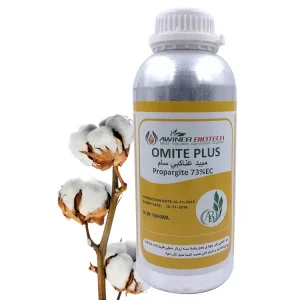
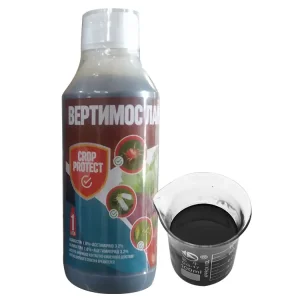
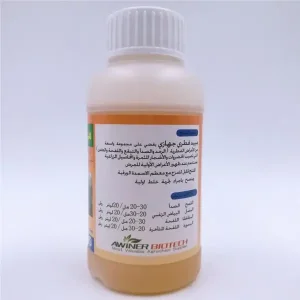
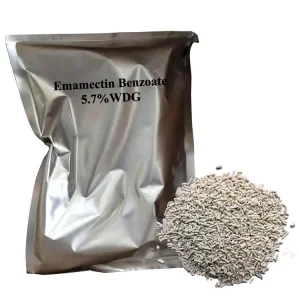
Explore our specialized liquid, granule, and bait crop protection chemicals available for direct factory ordering.
 Awiner Biotech