Direct export supply from integrated chemical synthesis facilities. Click titles for specifications & quotation requests.
Technical Analysis of Systemic Translocation, Selective Physiological Pathways, and B2B Procurement Standards.
In modern industrial agriculture, post-emergence weed control represents the critical defensive pillar for safeguarding yield potential, optimizing photosynthetic interception, and ensuring harvest efficiency across field crops, plantation architecture, and specialty horticultural systems. Unlike pre-emergence chemistries that establish soil-active chemical barriers before seed germination, post-emergence herbicides are engineered for targeted foliar application directly onto established monocotyledonous and dicotyledonous weed species during active vegetative growth.
The global demand for high-purity post-emergence herbicides has accelerated due to escalating labor costs, conservation tillage adoption (no-till and strip-till farming), and the dynamic evolutionary pressure of herbicide-resistant weed biotypes. B2B procurement directors, municipal distributors, and multinational formulators require manufacturing partners capable of delivering high chemical purity (TC grade), optimized active ingredient bioavailability, and stable adjuvant-emulsifier matrix integration.
Post-emergence actives penetrate cuticle layers via phloem-mobile pathways, concentrating in meristematic tissues to inhibit cell division, amino acid biosynthesis, or lipid assembly without damaging tolerant host crops.
Advanced synthesis involving dual-mode active combinations (e.g., HPPD inhibitors + ALS inhibitors) to suppress hard-to-control target biotypes such as Amaranthus palmeri and Echinochloa crus-galli.
Integration of specialized organosilicone wetting agents and methylated seed oil (MSO) penetrants to secure rapid cuticle absorption within 30 to 60 minutes post-application.
Comprehensive overview of targeted enzymatic pathways manufactured across our specialized production lines.
| Herbicide Class / Target Pathway | Primary Active Ingredients | Target Weed Spectrum | Key Crop Selective Applications | Formulation Variants |
|---|---|---|---|---|
| ALS / AHAS Inhibitors (Group 2) | Nicosulfuron, Tribenuron-methyl, Halosulfuron | Broadleaf weeds, Annual grasses, Sedges | Maize, Winter Wheat, Sugarcane, Rice | 75% WDG, 40% SC, 75% WP |
| ACCase Inhibitors (Graminicides) (Group 1) | Clethodim, Clodinafop-propargyl, Quizalofop-p-ethyl | Perennial & Annual Grasses (Monocots) | Soybeans, Cotton, Sunflower, Canola | 240g/L EC, 120g/L EC, 50g/L EC |
| HPPD Inhibitors (Group 27) | Mesotrione, Tembotrione, Isoxaflutole | Triazine-resistant broadleaf, Barnyardgrass | Corn (Maize), Sorghum, Sugarcane | 400g/L SC, 100g/L SC, 480g/L SC |
| EPSPS Synthase Inhibitors (Group 9) | Glyphosate (Isopropylamine / Potassium salt) | Non-selective total vegetation control | Burndown, Glyphosate-tolerant crops, Orchards | 41% SL, 480g/L SL, 75.7% WDG |
| Glutamine Synthetase Inhibitors (Group 10) | Glufosinate-ammonium | Broad-spectrum non-selective broadleaf & grass | Orchards, Plantation, Genetically Modified Crops | 200g/L SL, 150g/L SL, 280g/L SL |
| Synthetic Auxins (Group 4) | 2,4-D Amine / Ester, Dicamba, Fluroxypyr | Deep-rooted perennial broadleaf weeds | Cereal grains, Pastures, Turf, Industrial rights-of-way | 720g/L SL, 480g/L SL, 200g/L EC |
Achieving maximum agronomic performance requires tailoring formulation parameters to specific climatic, spray equipment, and water hardness environments:
Why Tier-1 Agrochemical Sourcing in Hebei & Northern China Delivers Unrivaled Cost-Efficiency and Security.
Our core production ecosystem in Shijiazhuang, Hebei Province, benefits from direct geographic proximity to key intermediate synthesis hubs producing cyanopyridines, triazines, phosphorus trichloride, and fluorine chemistry building blocks. This backward integration insulates global wholesale clients from chemical precursor price spikes and guarantees continuous line availability during peak agricultural spraying seasons.
Every commercial batch undergoes rigorous physical and analytical validation prior to port release. Utilizing High-Performance Liquid Chromatography (HPLC), Gas Chromatography-Mass Spectrometry (GC-MS), laser particle size analyzers, and accelerated thermal storage testing (54°C for 14 days), we verify active ingredient assay tolerance (within FAO guidelines), suspension stability, and moisture content control.
Awiner Biotech was founded in 2006, located in north of China-Shijiazhuang, Hebei Province. The city is close to our capital Beijing, transportation is convenient. Awiner Biotech is committed to research, produce and distribute agrochemicals, mainly dealing with pesticides, herbicides, fungicides, plant growth regulators, and public health pesticides.
Customizing chemical interventions across distinct climate zones, crop architecture, and weed resistance spectra.
Primary Markets: Brazil, Chile, Bolivia, Paraguay, Mexico.
Agronomic Challenge: High prevalence of glyphosate-resistant Conyza bonariensis (Fleabane) and Amaranthus palmeri in extensive soybean mono-cropping systems.
Formulation Strategy: Post-emergence tank-mix solutions pairing Clethodim 240g/L EC with Chlorimuron-ethyl or Fomesafen, alongside high-load Glufosinate 280g/L SL for burndown in transgenic crop traits.
Primary Markets: Russia, Ukraine, Kazakhstan, Uzbekistan.
Agronomic Challenge: Cold continental spring conditions requiring fast-acting herbicides functional at low ambient soil and air temperatures (<10°C).
Formulation Strategy: Low-rate Tribenuron-methyl 75% WDG and Fluroxypyr-meptyl 200g/L EC providing wide application windows in winter wheat without crop stunting.
Primary Markets: India, Pakistan, Iraq, Iran, Afghanistan, Syria, Yemen, Turkey, Nepal.
Agronomic Challenge: Complex aquatic broadleaf weeds and sedges (Cyperus difformis) in flooded paddies and heat-stressed cotton fields.
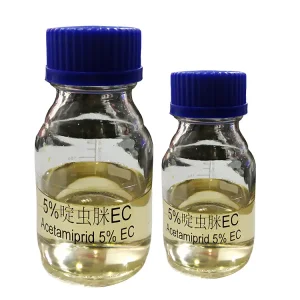
Formulation Strategy: Bispyribac-sodium 10% SC and Pyrazosulfuron-ethyl 10% WP for paddy water-phase applications; specialized Acetamiprid + Herbicide safety protocols for integrated pest-weed management.
Primary Markets: Nigeria, Djibouti, Rwanda, Somalia, Libya.
Agronomic Challenge: Rapid weed infestation under tropical rainy seasons; limited access to complex mechanized sprayers requiring high rainfastness.
Formulation Strategy: Cost-effective 2,4-D Amine 720g/L SL and Atrazine + Mesotrione co-formulations tailored for small pack sizes (100ml to 1L) with integrated dosage caps.
Primary Markets: Malaysia, Cambodia, Myanmar.
Agronomic Challenge: Year-round perennial broadleaf vines in Oil Palm and Rubber plantations coupled with high annual rainfall causing wash-off.
Formulation Strategy: High-concentrate Triclopyr 480g/L EC combined with organosilicone spreaders for rapid cuticular penetration within 30 minutes of application.
Scope: Municipal zones, industrial rights-of-way, structural pest control.
Strategy: Dual-action non-selective total weed control paired with public health vector management (Cyromazine 2% WDG, Permethrin formulations) to clear logistics corridors and prevent pest vector harborage.
Original corporate operational data preserved from our global distribution operations.
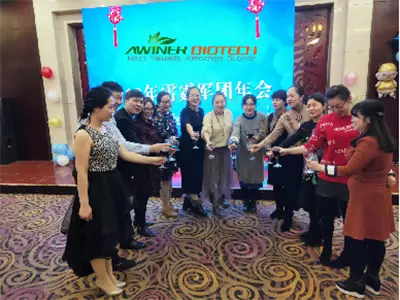
Up to now, we have win customers from Iraq, Iran, Afghanistan, Pakistan, India, Libya, Syria, Turkey, Yemen, Ukraine, Russia, Kazakhstan, Uzbekistan, Chile, Bolivia, Mexico, Brazil, Paraguay, Nigeria, Djibouti, Rwanda, Somalia, Malaysia, Cambodia, Nepal, Myanmar and so on.
Our countries participating in the exhibition are Turkey, Iran, Pakistan, Nigeria, Russia, Cambodia, Malaysia, Uzbekistan, etc.
We go to the customer's country to conduct market inspections, analyze and solve problems for them, understand their product usage, and customers will also visit us.
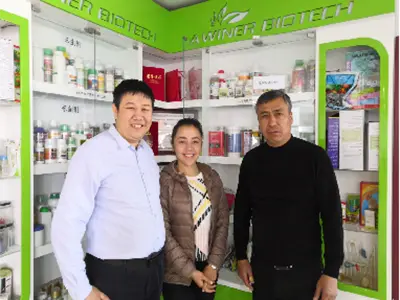
Up to now, we have win customers from Iraq, Iran, Afghanistan, Pakistan, India, Libya, Syria, Turkey, Yemen, Ukraine, Russia, Kazakhstan, Uzbekistan, Chile, Bolivia, Mexico, Brazil, Paraguay, Nigeria, Djibouti, Rwanda, Somalia, Malaysia, Cambodia, Nepal, Myanmar and so on.
Assisting institutional buyers with GLP Dossiers, FAO Specifications, and Custom OEM Packaging.
We provide full dossier support including Five-Batch Analysis (GLP accredited), 2-year accelerated storage stability data, full toxicological packages (acute oral, dermal, inhalation, eye irritation), and environmental ecotoxicity studies (bee, aquatic, avian) for seamless registration with ministry bodies (e.g., MAPA, SENASA, EFSA-aligned frameworks).
All liquid EC/SL and granular WDG/WP herbicides are packaged in UN-certified fluorinated HDPE bottles, COEX high-barrier bottles, or aluminum foil standing pouches. Chemical transport safety is guaranteed under IMDG and IATA regulations with MSDS/SDS compliant with GHS Revision 9.
Full-service private labeling solutions from high-resolution label artwork design, multilingual translation (Arabic, Russian, Spanish, French, Portuguese), to custom structural bottle molding and tamper-evident induction heat-seal closures.
Pioneering Next-Generation Microencapsulation, Drone-Ready Formulations, and Bio-based Herbicides.
Developing specialized liquid formulations featuring anti-evaporation agents, narrow-droplet spectrum surfactants, and zero-clogging micron suspensions engineered specifically for aerial drone application rates (5-15 L/ha).
Polyurea microencapsulation technology allowing controlled release of volatile active ingredients, minimizing off-target vapor drift while extending active foliar residual activity by up to 35%.
Utilizing predictive machine learning models to optimize molecular surfactant-to-water ratios, guaranteeing maximum thermodynamic stability across fluctuating temperature regimes during long-distance maritime shipping.
Direct answers for global distributors, formulators, and procurement managers.
Pre-emergence herbicides are applied to the soil before weeds sprout, forming a chemical layer that inhibits germination or early seedling root/shoot development. Post-emergence herbicides are applied directly to mature or actively growing weed foliage, utilizing systemic absorption (phloem/xylem translocation) or contact cell membrane disruption to destroy targeted weeds.
Our factory utilizes dedicated synthesis and formulation workshops specifically segregated by crop safety profiles. Selective broadleaf herbicides (such as 2,4-D or Dicamba) are produced in strictly isolated systems from non-selective compounds or selective grass herbicides. Cleaning validation protocols utilize High-Performance Liquid Chromatography (HPLC) to verify zero active trace residue between formulation batches.
For standard Technical Grade (TC) bulk export, the minimum order is typically 1,000 kg/L. For finished formulations (SC, WDG, EC, SL) in customized OEM retail packaging (e.g., 100ml, 1L, 5L, 20L), our standard MOQ is one 20-foot full container load (FCL), approximately 8,000 to 18,000 Liters/Kg depending on bottle specs.
Yes, many post-emergence herbicides can be tank-mixed to reduce field pass costs. However, compatibility depends strictly on pH balance, formulation solvent types (e.g., EC with SC blends), and physical emulsion stability. We conduct jar tests and physical dynamic compatibility testing for client-requested tank-mix partners to prevent precipitation or phytotoxicity.
We incorporate high-grade organosilicone super-spreaders and fatty-acid methyl esters directly into our SL and SC formulation matrices. These adjuvants lower surface tension down to <22 mN/m, accelerating cuticular wax penetration and securing rainfastness within 30 to 60 minutes after field application.
Awiner Biotech provides comprehensive GLP-accredited data dossiers, Letter of Authorization (LoA), Certificate of Analysis (CoA), Certificate of Origin (CO), Legalized Free Sale Certificates, and FAO-standard analytical methods to ensure rapid approval by agricultural regulatory authorities.
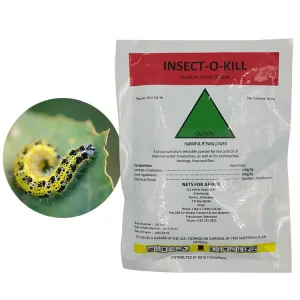
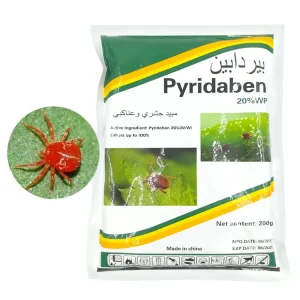
Explore our broader active product range including acaricides, plant growth regulators, and public health formulations.
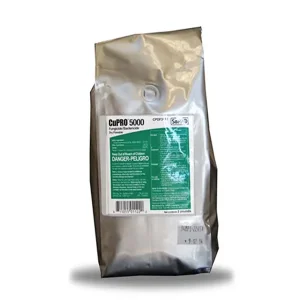
China Fungicide Copper Hydroxide 77%WP CAS 20427-59-2 Factories, Suppliers
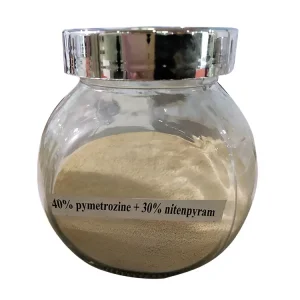
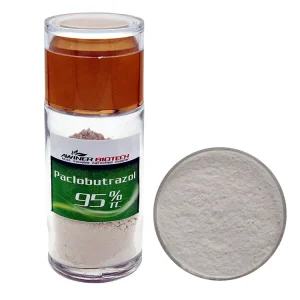
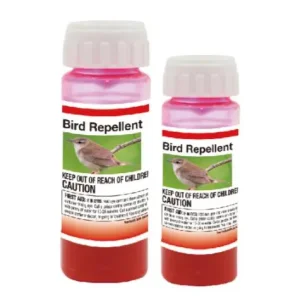
Wholesale Public Health pest control-10% SE Pricelist, Manufacturer
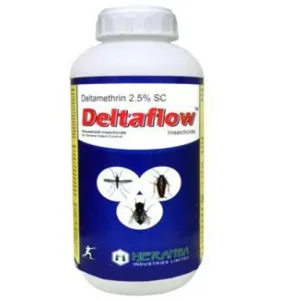
Wholesale Public Health pest control-Permethrin 500gL EC CAS52645-53-1 Factory, Manufacturer
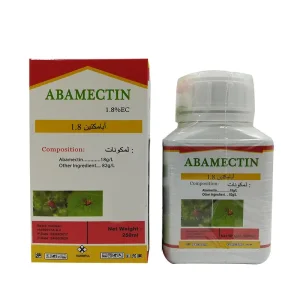
China Abamectin Acaricide A Highly Effective Insecticide Suppliers, Manufacturer
 Awiner Biotech