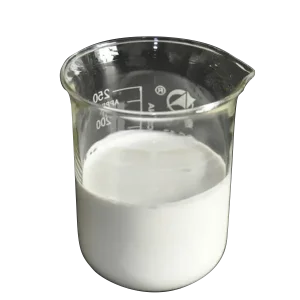
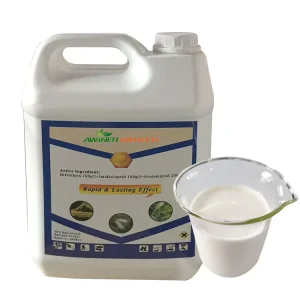
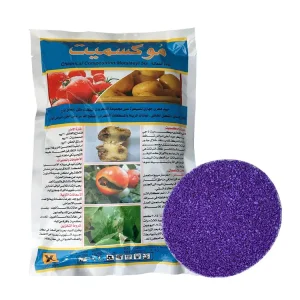
Advanced systemic fungicides, targeted insecticides, and growth regulators engineered for prolonged protection cycles.
Optimizing crop protection frequency through chemical engineering, systemic longevity, and resistance management.
Modern vegetable farming operates under strict economic and regulatory pressures. High application frequencies of crop protection chemicals lead to escalating labor overheads, soil compaction from field equipment, elevated maximum residue limit (MRL) risks, and accelerated insect or pathogen resistance. Reducing spray frequency in commercial vegetable cultivation (including brassicas, solanaceous crops, and cucurbits) without sacrificing crop yield or quality represents a paradigm shift in sustainable agriculture.
By leveraging synergistic multi-site active ingredients, superior rainfast adjuvants, and high-purity Water Dispersible Granules (WDG) or Suspension Concentrates (SC), commercial growers can expand spray intervals from 5–7 days to 14–21 days. This technical whitepaper explores formulation chemistry, global procurement metrics, and strategic manufacturing capabilities provided by China’s agrochemical manufacturing hubs.
How advanced agrochemical engineering achieves extended biocide persistence and rainfastness.
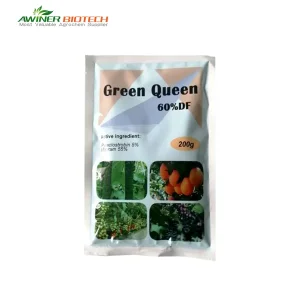
Active compounds such as Boscalid + Pyraclostrobin WDG or Azoxystrobin + Chlorothalonil WP utilize translaminar uptake. They pass through the leaf cuticle and create inside-plant reservoirs, protecting newly emerging foliage against downy mildew and early blight for weeks post-application.
Premature wash-off due to rain or overhead irrigation is a primary driver of frequent re-spraying. Modern SC and WDG formulations incorporate specialized organosilicone wetting agents and polymeric stickers, binding the active molecules tightly to the leaf wax within 30 minutes of application.
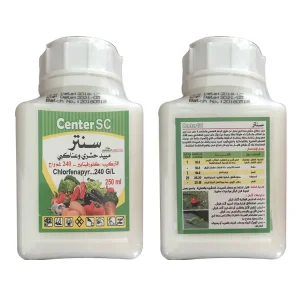
Re-spraying often occurs when pests develop resistance to single-site active ingredients. Combining systemic neonicotinoids (e.g., Bifenthrin + Imidacloprid + Thiamethoxam) or pyrrole insecticides (Chlorfenapyr 36 SC) disrupts multiple physiological pathways, maintaining high mortality over extended field durations.
| Formulation Type | Target Diseases / Pests | Conventional Spray Interval | Extended Residual Interval | Primary Residual Mechanism |
|---|---|---|---|---|
| Azoxystrobin 50% + Chlorothalonil 25% WP | Powdery Mildew, Anthracnose, Leaf Spot | 5 - 7 Days | 14 - 18 Days | Dual systemic xylem mobility combined with contact surface barrier protection. |
| Boscalid 25.2% + Pyraclostrobin 6.7% WDG | Botrytis Gray Mold, Sclerotinia, Alternaria | 7 Days | 18 - 21 Days | Mitochondrial complex II & III inhibition with high cuticular wax affinity. |
| Chlorfenapyr 36% SC | Plutella xylostella, Thrips, Spider Mites | 4 - 6 Days | 12 - 15 Days | Pro-insecticide uncoupler of oxidative phosphorylation via cellular conversion. |
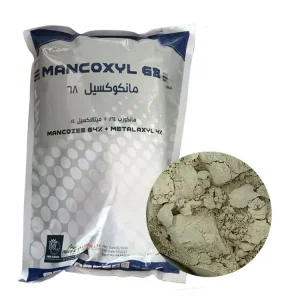
| Metalaxyl 6% + Mancozeb 60% WP/WDG | Downy Mildew, Late Blight, Phytophthora | 5 Days | 14 - 20 Days | Fungicidal translocation protecting stem, foliage, and root vascular networks. |
Unmatched industrial integration, technical purity, and commercial scalability for global distributors.
China synthesizes over 70% of the world’s technical active ingredients (TC). This complete vertical integration—from basic petro-chemical precursors to active ingredient synthesis and micro-formulation engineering—enables manufacturers to deliver superior stability and reduced per-hectare application costs without quality compromises.
Leading Chinese chemical hubs employ laser particle size analyzers, high-performance liquid chromatography (HPLC), and wet-sieving automated controls to guarantee sub-micron particle sizing (D90 < 5 microns). Fine particle suspension ensures non-clogging nozzle performance in modern high-pressure or drone sprayers.
Transitioning from high-frequency organophosphate sprays to targeted, low-dose sustainable solutions.
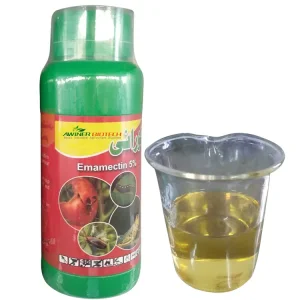
The rise of Unmanned Aerial Vehicle (UAV) spraying demands ultra-low volume (ULV) formulations that maintain droplet adhesion and prevent evaporation. Formulations like Emamectin Benzoate 2% EC and Pyroxasulfone SC are specifically optimized for aerial low-frequency application systems.
Global regulatory bodies (EU EFSA, US EPA) are tightening Maximum Residue Limits. Using highly stable systemic chemicals early in the crop cycle reduces the total volume of chemical applications required, ensuring harvestable produce remains well below residue thresholds.
Modern integrated pest management (IPM) incorporates bio-stimulants such as Gibberellic Acid (GA3) 10% SP to accelerate vegetative recovery, allowing crops to outgrow pest pressure and reducing the need for emergency chemical interventions.
Proven agronomic frameworks for reducing crop protection sprays across diverse global agricultural zones.
Crops: Tomatoes, Cucumbers, Bell Peppers.
Challenge: Rapid thrips and whitefly multiplication in humid, high-temperature greenhouse environments.
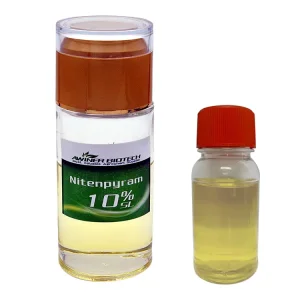
Protocol: Alternating soil drenching of Imidacloprid 20% SL with foliar sprays of Nitenpyram 10% SL. Extended root absorption provides continuous protection against sap-sucking insects for up to 28 days, eliminating weekly foliar sprays.
Crops: Cabbage, Broccoli, Potatoes.
Challenge: Heavy rainfall eroding protective spray films and accelerating Late Blight outbreaks.
Protocol: Early application of Mancozeb 60% + Metalaxyl 6% WP coupled with tank-mixed Profenofos + Cypermethrin EC. Rainfast surfactants prevent wash-off during tropical downpours, extending protective windows from 5 to 14 days.
Your trusted manufacturing partner for technical agrochemical products, custom formulations, and international logistics.
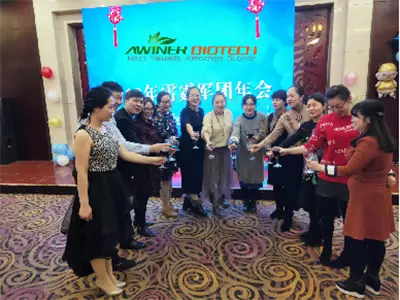
Awiner Biotech was founded in 2006, located in north of China-Shijiazhuang, Hebei Province. The city is close to our capital Beijing, transportation is convenient. Awiner Biotech is committed to research, produce and distribute agrochemicals, mainly deal with pesticides, herbicides, fungicides, plant growth regulator and public health pesticides.
With nearly two decades of technical expertise, our facilities offer customized packaging, OEM/ODM manufacturing, and comprehensive technical dossier assistance (including ICAMA, GLP test data, and CoA certificates) tailored for international regulatory registration.
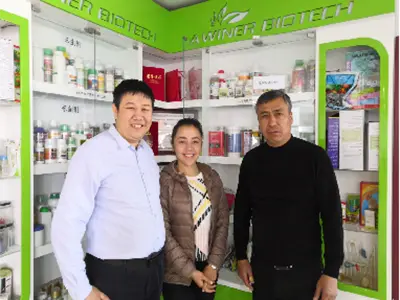
Up to now, we have won customers from Iraq, Iran, Afghanistan, Pakistan, India, Libya, Syria, Turkey, Yemen, Ukraine, Russia, Kazakhstan, Uzbekistan, Chile, Bolivia, Mexico, Brazil, Paraguay, Nigeria, Djibouti, Rwanda, Somalia, Malaysia, Cambodia, Nepal, Myanmar and so on.
We routinely showcase our latest low-dose, high-efficiency crop protection formulations at premier global trade expos. Our countries participating in the exhibition are Turkey, Iran, Pakistan, Nigeria, Russia, Cambodia, Malaysia, Uzbekistan, etc.
We go to the customer's country to conduct market inspections, analyze and solve problems for them, understand their product usage, and customers will also visit us at our manufacturing headquarters in Hebei, China.
Explore our full line of agricultural herbicides, rodent baits, and specialized public health chemicals.
Essential technical parameters international buyers must verify before placing wholesale factory orders.
For WP and WDG products (such as Azoxystrobin + Chlorothalonil 75% WP), ensure the suspension percentage exceeds 85% and wetting time is under 60 seconds. High dispersion guarantees uniform active ingredient concentration across entire crop fields.
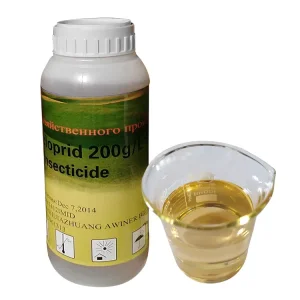
Liquid SC and EC formulations (like Chlorfenapyr 36 SC or Imidacloprid 20% SL) must undergo standard CIPAC hard water testing (342 ppm CaCO3 equivalent) to prevent phase separation or oil creaming during field mixing.
Ensure your supplier provides multi-layer COEX bottles or aluminum foil bags with moisture barriers to maintain a 2-year shelf life under hot tropical storage conditions in South America, Africa, and Southeast Asia.
Addressing technical queries, registration needs, and procurement logistics for wholesale buyers.
 Awiner Biotech