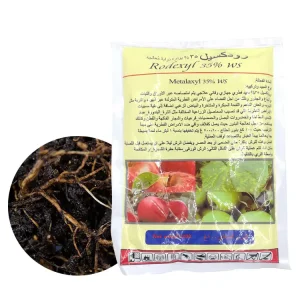
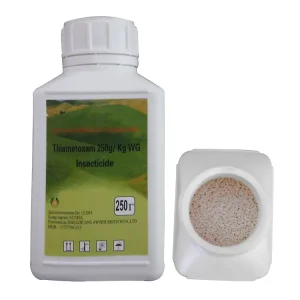
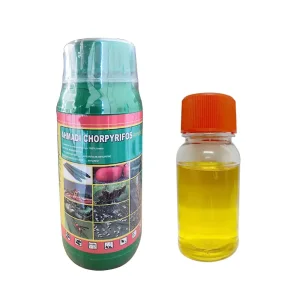
Explore our premium grade active ingredients, insecticides, fungicides, and systemic crop protection formulations engineered for international agricultural distribution.
Understanding the physics, thermodynamic sublimation, and aerosol kinetic transport mechanism behind pyrotechnic smoke fumigation.
Smoke insecticides—often categorized under pyrotechnic aerosols or cold/thermal fogging smoke canisters—represent one of the most effective volumetric pest eradication technologies available in commercial agriculture and industrial hygiene. Unlike liquid spray droplets which suffer from gravitational settling, surface tension barriers, and incomplete canopy coverage, thermal smoke generators volatilize active insecticide ingredients at controlled ignition temperatures without chemical pyrolysis.
Upon thermal ignition, the pyrotechnic propellant matrix generates a high-density cloud of microscopic aerosol particles ranging between 0.5 to 10 microns (µm). This ultra-fine particle spectrum behaves similarly to a true gas, exhibiting Brownian motion that allows the active ingredient to penetrate minute crevices, structural voids, thick foliage under-canopies, and high-altitude warehouse rafters that traditional hydraulic spray nozzles simply cannot reach.
Pyrotechnic smoke formulations must maintain a precise balance between combustion rate, peak core temperature, and active ingredient thermal stability to prevent active breakdown.
• Thermal Sublimation Window: 180°C - 320°C
• Aerosol Mass Median Diameter (MMD): 1.2 - 3.8 µm
• Deposition Uniformity Coefficient: > 94%
• Combustion Residue Profile: Non-flammable ash, zero persistent soot
• Carrier Base: Potassium chlorate/nitrate + sucrose/organic reductants
*Data calibrated based on Awiner Biotech ISO-certified laboratory thermal degradation analysis under dynamic nitrogen gas atmosphere.
A breakdown of thermal stability, mode of action, and targeted pest profiles engineered for wholesale supply and OEM customization.
| Active Ingredient / Combination | Chemical Class | Target Pests | Primary Scenarios | Sublimation Efficiency |
|---|---|---|---|---|
| Permethrin / Cypermethrin (10%-20% Smoke) | Synthetic Pyrethroid | Mosquitoes, Flies, Beetles, Moths, Fleas | Public Health, Warehouses, Logistics Hubs | 98.5% |
| Isoprocarb (MIPC) / Propoxur Smoke | Carbamate | Planthoppers, Leafhoppers, Thrips, Whiteflies | Commercial Greenhouses, Protected Floriculture | 96.2% |
| Chlorpyrifos + Cypermethrin Smoke Mix | Organophosphate + Pyrethroid | Stored Grain Weevils, Borers, Structural Cockroaches | Silos, Grain Storage, Empty Hold Disinfection | 97.8% |
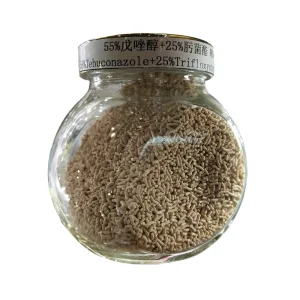
| Difenoconazole / Tebuconazole Smoke | Triazole Fungicide | Powdery Mildew, Botrytis Cinerea, Rust | Poly-tunnels, Glasshouses, Horticulture | 95.9% |
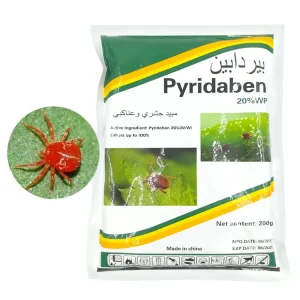
| Pyridaben / Acaricide Smoke Matrix | Pyridazinone | Two-Spotted Spider Mites, Rust Mites | High-Density Crop Canopies, Berry Tunnels | 94.8% |
Tailored deployment methodologies for agricultural ecosystems, post-harvest supply chains, and urban disease vector control.
High relative humidity inside closed greenhouses severely restricts conventional wet spraying due to fungal outbreak risks (e.g., Botrytis cinerea). Smoke insecticides eliminate moisture addition while ensuring complete 360-degree coverage underneath dense leaf structures, eradicating resistant whiteflies, thrips, and aphids.
Stored product insects such as Sitophilus oryzae (rice weevil) and Tribolium castaneum (red flour beetle) hide inside grain mass voids and structural cracks. Thermal smoke generators deliver vapor-phase active ingredients deep into storage equipment, empty cargo holds, and grain elevator shafts without wetting dry grain reserves.
For municipal vector control programs battling Dengue, Malaria, and Zika viruses, pyrotechnic smoke canisters provide immediate knock-down of adult Aedes aegypti and Anopheles mosquitoes in urban drainage systems, dense vegetation, and low-income housing sectors where machinery access is limited.
How Awiner Biotech leverages automated production lines, rigid QA standards, and direct port logistics to empower international bulk buyers.
Manufacturing smoke insecticides requires stringent safety protocols, precise chemical stoichiometry, and environmental control to ensure zero moisture contamination during solid propellant compaction. Awiner Biotech operates state-of-the-art Industry 4.0 automated blending facilities in Shijiazhuang, Hebei Province.
Our automated production environment regulates relative ambient humidity below 35% during the solid smoke composition mixing process. Micro-weight sensors guarantee that active insecticide active ingredients (AI) are homogeneously distributed across every batch, ensuring batch-to-batch consistency and predictable ignition rates.
• HPLC & GC Active Content Verification: Every batch tested post-ignition for chemical decomposition rates.
• Hermetic Barrier Sealing: Moisture-proof aluminum foil inner seal + impact-resistant tinplate canisters.
• Combustion Rate Tolerance: Controlled burn rate within ±3 seconds of engineered specification.
Located near Beijing and major Northern China shipping hubs (Tianjin Port), Awiner Biotech facilitates seamless international freight arrangements for dangerous goods (DG Class 4.1 / Class 9 hazardous cargo compliance).
Pioneering the next generation of eco-friendly, zero-residue, and smart ignition smoke fumigation systems.
Replacing traditional inorganic oxidizers with nitrogen-rich organic propellant mixtures. Reduces solid ash residue by 95% and eliminates sulfur dioxide / chlorine trace emissions during thermal combustion.
Innovating targeted nano-carriers that encapsulate volatile pyrethroids during thermal ignition. Protects heat-sensitive botanical active ingredients, expanding the scope of organic bio-pesticide smoke generators.
Integration of wireless electronic igniters compatible with IoT greenhouse control systems. Allows farm operators to initiate fumigation cycles remotely without operator exposure to smoke clouds.
Complete OEM/ODM customization options backed by international registration dossiers and safety certifications.
We work with global agrochemical brand owners, distributors, and governmental tender procurement departments to deliver customized smoke insecticide solutions:
Entering international agrochemical markets requires stringent regulatory compliance. Awiner Biotech provides full technical dossier support for overseas registration:
Founded in 2006, Awiner Biotech is dedicated to high-standard research, manufacturing, and distribution of agrochemicals worldwide.

Awiner Biotech was founded in 2006, located in the north of China—Shijiazhuang, Hebei Province. The city is in close proximity to our capital, Beijing, providing highly convenient logistics and export transportation access.
Awiner Biotech is committed to researching, producing, and distributing agrochemicals, mainly dealing with pesticides, herbicides, fungicides, plant growth regulators, and public health pesticides.
Our International Markets: Up to now, we have won trusted long-term customers from Iraq, Iran, Afghanistan, Pakistan, India, Libya, Syria, Turkey, Yemen, Ukraine, Russia, Kazakhstan, Uzbekistan, Chile, Bolivia, Mexico, Brazil, Paraguay, Nigeria, Djibouti, Rwanda, Somalia, Malaysia, Cambodia, Nepal, Myanmar, and beyond.
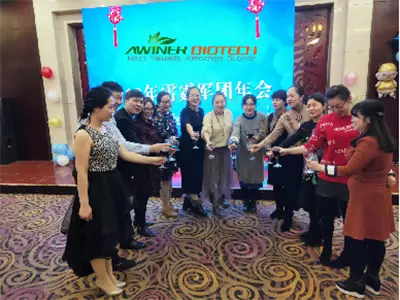
We actively expand customer touchpoints across key agricultural zones in the Middle East, Latin America, Southeast Asia, and Eastern Europe.
Our company regularly participates in prominent global agrochemical exhibitions across Turkey, Iran, Pakistan, Nigeria, Russia, Cambodia, Malaysia, Uzbekistan, and more.
We conduct on-site market inspections in customer countries, analyzing agronomic challenges, monitoring product efficacy under real field conditions, and hosting clients at our China headquarters.
Essential guidance for importers, procurement directors, and professional agronomists.
Discover additional high-potency insecticides, acaricides, and crop protection formulations available for wholesale delivery.
 Awiner Biotech