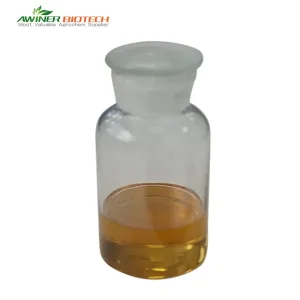
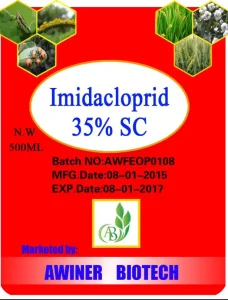
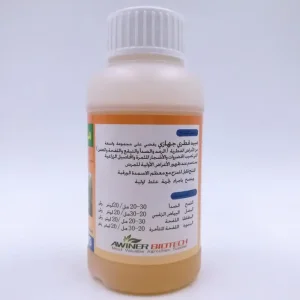
Engineered for high systemic absorption, residual pest suppression, and maximum crop yield security.
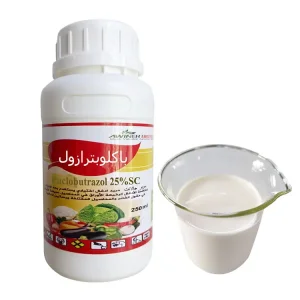
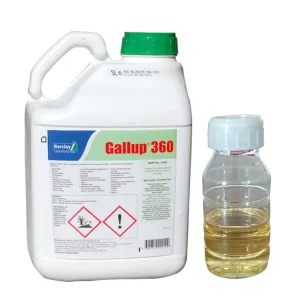
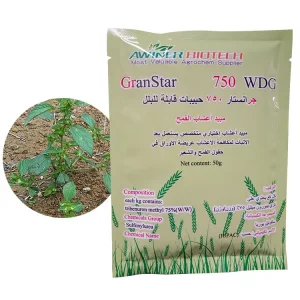
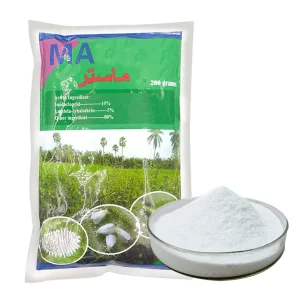
Quantifiable performance metrics across synthesis, export compliance, and global crop yield optimization.
Understanding Xylem and Phloem Translocation Mechanics for Superior Pest Vector Management
Systemic insecticides represent a crucial advancement in chemical crop protection, particularly within intensive vegetable production systems (Solanaceous crops, Cucurbits, and Brassica species). Unlike contact insecticides that remain restricted to the epicuticular wax layer of plant leaves, systemic active ingredients possess specific physicochemical properties—characterized by balanced log Kow octanol-water partition coefficients and water solubility parameters—that enable efficient cellular absorption and vascular translocation.
Upon application via soil drench, seed treatment, or foliar sprays, systemic molecules undergo acropetal translocation through the xylem vessels via the transpiration stream. This ensures that emerging leaves, growing points, and dense apical foliage receive continuous protection against piercing-sucking insect vectors. Advanced systemic formulations also exhibit laminar and basipetal translocation via the phloem, effectively shielding root systems and lower leaf undersides where pests typically establish colonies.
In high-density commercial vegetable farming, economic damage is rarely limited to direct biomass destruction caused by feeding pests. Piercing-sucking insects act as vector carriers for devastating viral pathologies, such as Tomato Yellow Leaf Curl Virus (TYLCV) transmitted by Bemisia tabaci (Whiteflies), and Cucumber Mosaic Virus (CMV) transmitted by Aphis gossypii.
Customized active ingredient combinations engineered for target specificity, safety, and resistance management.
Actives such as Imidacloprid and Thiamethoxam selectively target post-synaptic nicotinic acetylcholine receptors (nAChR) in the insect central nervous system. Their exceptional systemic mobility via root uptake makes them optimal choices for early-stage seedling protection, soil drenching, and drip fertigation systems in greenhouse operations.
Modern chemistries including Chlorantraniliprole and Spirotetramat provide dual-way phloem/xylem translocation. By disrupting ryanodine receptors and lipid biosynthesis, these active ingredients effectively target hidden chewing larvae, leafminers, and resistant thrips with minimal impact on beneficial pollinators and predatory mites.
Our state-of-the-art processing facility manufactures high-stability formulations including Suspension Concentrates (SC), Water Dispersible Granules (WDG), and Flowable Concentrates for Seed Treatment (FS), ensuring optimal particle suspension sizes (< 5 microns) and minimal phytotoxicity risks.
Leveraging upstream chemical synthesis integration, scale economies, and precision quality assurance.
China serves as the epicenter of global agrochemical active ingredient (AI) synthesis and raw material intermediate processing. Industrial clusters in northern and eastern China benefit from complete, localized supply chains for key precursor molecules (such as 2-chloro-5-chloromethylpyridine for neonicotinoids). This integrated infrastructure insulates global buyers from raw material supply shocks and price volatility.
By establishing manufacturing hubs directly adjacent to key raw material centers, Chinese pesticide factories maintain unparalleled cost efficiencies, allowing multi-national importers and regional distributors to maximize commercial margin structures without sacrificing product purity or active ingredient concentration.
Modern Chinese pesticide production plants feature automated processing lines capable of batch synthesis, ultra-fine wet milling, fluid-bed granulation, and automated filling. Strict adherence to Quality Management Systems ensures batch-to-batch consistency and shelf stability under tropical and temperate storage conditions.
Established Agrochemical Pioneer Connecting Chinese Manufacturing Excellence with Global Agricultural Markets.
Awiner Biotech was founded in 2006, located in the north of China—Shijiazhuang, Hebei Province. The city is close to our capital Beijing, with convenient transportation access. Awiner Biotech is committed to the research, production, and distribution of high-quality agrochemicals, mainly dealing with pesticides, herbicides, fungicides, plant growth regulators, and public health pesticides.
Up to now, we have won trusted customers from a wide network of international markets across Middle East, Eastern Europe, Latin America, Africa, and Asia, including:
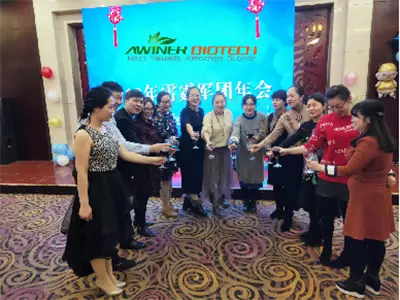
We regularly showcase our latest formulation technologies at international agricultural exhibitions worldwide, including annual summits in Turkey, Iran, Pakistan, Nigeria, Russia, Cambodia, Malaysia, Uzbekistan, and beyond.
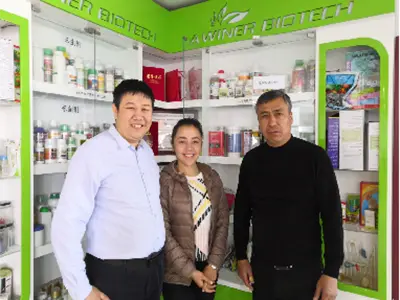
We actively travel to customer regions to conduct on-site crop market inspections, analyze regional pest pressure dynamics, resolve localized agronomic challenges, monitor product field performance, and host reciprocal factory visits for international procurement delegations.
Navigating complex international pesticide registrations, toxicological profiles, and Maximum Residue Limits.
To support product registration with Ministries of Agriculture across South America, Central Asia, and Africa, we furnish complete Five-Batch Analysis reports, GLP-accredited acute toxicity data, environmental fate studies, and eco-toxicology profiles fully compliant with FAO/WHO specifications.
Fresh vegetable export supply chains demand strict adherence to destination market MRL standards (e.g., Codex Alimentarius, EU MRLs, US EPA thresholds). Our technical team designs tailored application schedules that balance systemic protection with rapid degradation curves, ensuring target crops clear Pre-Harvest Intervals (PHI) without residue non-compliance.
Regulatory frameworks demand clear hazard warnings, GHS pictograms, and localized agricultural instructions. We provide end-to-end design and regulatory approval support for bilingual and trilingual packaging materials across Spanish, Russian, Arabic, French, and English.
Optimizing contract chemical synthesis, supply chain logistics, and risk mitigation for enterprise buyers.
Agrochemical demand is tightly bound to seasonal crop cycles. Enterprise buyers and large distributor networks require guaranteed production window reservations and flexible supply chain buffering. Direct factory collaboration allows B2B procurement directors to lock in raw material prices ahead of peak agricultural seasons, mitigating cost spikes caused by upstream chemical market fluctuations.
By operating multi-functional production lines capable of switching between liquid formulations (SC, EC, SL) and solid granules (WDG, WP), our factory delivers rapid order fulfillment, maintaining a standard lead time of 20 to 25 days from contract signing to port delivery.
Risk mitigation is paramount when sourcing agrochemicals internationally. Every shipment undergoes rigorous double-tier testing:
Tailoring systemic insecticide delivery for protected agriculture, open-field crops, and modern fertigation.
High humidity and warm temperatures inside glasshouses and plastic tunnels accelerate pest reproduction cycles. Drip-applied systemic solutions (e.g., Imidacloprid 35% SC) enter the root system directly, delivering continuous, low-dosage active uptake that controls aphids, whiteflies, and fungus gnats while avoiding foliar chemical residues that could burn delicate vegetable foliage.
Large-scale open-field crops like cabbage, tomatoes, peppers, and potatoes require high-volume boom spray applications or seed drenching prior to transplanting. Incorporating specialized systemic combination formulas (such as Imidacloprid + Lambda-Cyhalothrin) provides early-stage root establishment protection alongside instant knock-down of transient foliage feeders.
Integrating water-soluble systemic insecticides with automated fertigation equipment ensures uniform active distribution across the root zone. This application method reduces mechanical tractor compaction, minimizes worker exposure, and decreases chemical loss into non-target environmental zones.
Pioneering green formulations, micro-encapsulation, and bio-rational synergy.
The next frontier in vegetable protection lies in Micro-encapsulation (CS) technologies. Enclosing active molecules within polymeric membranes controls the release rate of systemic compounds, extending effective field control up to 60 days while reducing active ingredient load per hectare by 20–30%. This innovation lowers environmental loading and minimizes runoff risks into local watersheds.
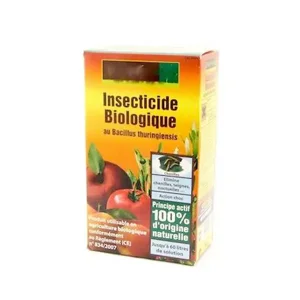
Integrating biological insecticides—such as Bacillus thuringiensis (BT)—with low-dose systemic chemicals creates synergistic pest control mechanisms. This biological-chemical balance significantly delays resistance development in key pest populations (like Plutella xylostella) while supporting integrated pest management (IPM) goals set by global regulatory bodies.
Addressing key procurement, technical, and regulatory inquiries for wholesale buyers.
Explore our extended portfolio of systemic insecticides, biological agents, herbicides, and crop fungicides.
 Awiner Biotech