Direct B2B supply of high-potency pest management solutions, agrochemicals, and specialized rodenticide formulations manufactured under ISO & FAO standardizations.
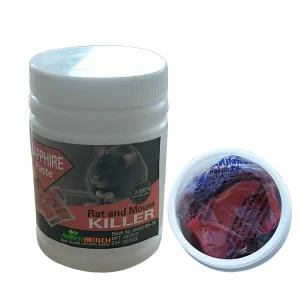
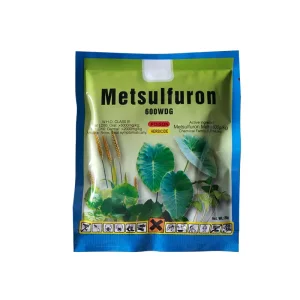
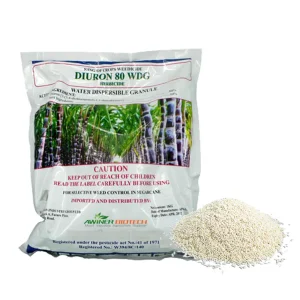
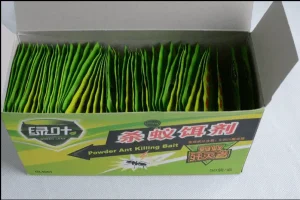
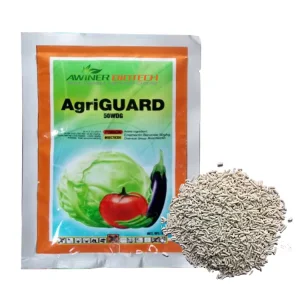

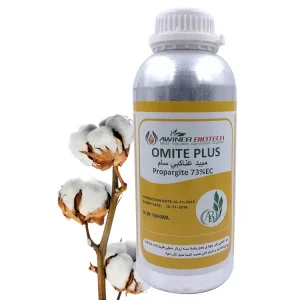
A comprehensive analysis of industrial manufacturing parameters, formulation physics, active ingredient bioavailability, and structural rodent control protocols for global commercial B2B procurement managers.
Rodent infestations represent a critical threat to global food security, agricultural supply chains, municipal sewer infrastructure, and public health standards. According to FAO estimates, pest rodents destroy millions of metric tons of post-harvest grain annually while posing severe vectors for zoonotic pathogens such as Leptospira, Hantavirus, and Salmonella. In high-humidity environments—such as agricultural crop fields, livestock facilities, sewer lines, and tropical plantation sectors—standard grain baits degrade rapidly due to moisture absorption, mold contamination, and bacterial decomposition. This operational bottleneck necessitates the deployment of high-density wax block rodenticides engineered through specialized extrusion technology.
Key Technical Insight: The efficacy of a wax block rodenticide depends on a delicate chemical equilibrium: maintaining structural hydrophobic integrity against torrential rain and high relative humidity without lowering bait palatability below the feeding threshold required for target rodent species (Rattus norvegicus, Rattus rattus, and Mus musculus).
Modern commercial wax block manufacturing utilizes either hot-extrusion or high-pressure cold-compression methods to uniformize active ingredients, paraffin matrices, and palatability enhancers. Industrial paraffin waxes with melting points calibrated between 58°C and 64°C are blended with refined food-grade cereal meals (cracked wheat, crushed maize, oats), lipid binders, and hydrophobic stabilization agents. The resulting matrix isolates the active pharmaceutical ingredient (API) from atmospheric oxidative degradation and microbial moisture breakdown.
Furthermore, block shape engineering plays a vital bio-mechanical role. Modern wax blocks feature multi-edged geometric profiles with central securing holes. The sharp outer ridges exploit the natural gnawing reflex of rodents, while the central mounting hole allows secure anchoring within tamper-resistant bait stations or wiring inside drainage networks, preventing target rodents from carrying whole bait blocks back to non-target areas or water sources.
A technical comparison of second-generation anticoagulant rodenticides (SGARs) and non-anticoagulant chemical classes optimized for factory manufacturing and wholesale export.
| Active Ingredient (API) | Chemical Class | Standard Concentration | Mechanism of Action | Lethal Dose (LD50 - Rat) | Primary Industrial Use Case |
|---|---|---|---|---|---|
| Brodifacoum | 2nd Gen Anticoagulant | 0.005% (50 ppm) | Vitamin K1 epoxide reductase inhibitor; causes internal hemorrhaging. Single-feed lethal dose. | 0.27 mg/kg | Severe infestations, high-resistance urban environments, port facilities. |
| Bromadiolone | 2nd Gen Anticoagulant | 0.005% (50 ppm) | Inhibits prothrombin synthesis; single or multiple feeding requirement with low primary non-target risk. | 1.12 mg/kg | Agricultural fields, grain storage depots, residential biosecurity zones. |
| Flocoumafen | 2nd Gen Anticoagulant | 0.005% (50 ppm) | High-potency blood clotting disruption; effective against strains resistant to 1st gen anticoagulants. | 0.25 mg/kg | Commercial livestock operations, poultry farms, food processing hubs. |
| Diphacinone | 1st Gen Anticoagulant | 0.005% - 0.01% | Multiple-feed anticoagulant; lower persistent secondary toxicity risk for municipal application. | 2.30 mg/kg | Parks, public health sector maintenance, conservation island eradication projects. |
| Bromethalin | Neurotoxin | 0.01% (100 ppm) | Uncouples oxidative phosphorylation in central nervous system mitochondria. Rapid action. | 2.01 mg/kg | Anticoagulant-resistant rodent strains, rapid knock-down requirements. |
Tailored rodent mitigation strategies engineered for challenging microclimates, industrial biosecurity protocols, and high-moisture commercial sectors.
Rodent populations inflict massive economic damage on corn, wheat, sugarcane, and oil palm plantations. Wax blocks maintain stability during heavy rainfall and monsoon seasons, protecting grain silos and field perimeters without softening or washing away.
Subterranean urban sewer networks present extreme dampness and constant microbial exposure. High-wax paraffin matrices prevent water absorption, allowing long-term bait viability when suspended above effluent water flows inside manholes.
Poultry houses and swine facilities offer abundant alternative food sources. Formulated with sensory attractants (peanut grain oils, malt scents), our wax blocks compete effectively against feed spillages while adhering to strict biosecurity standards.
In sub-zero cold storage facilities and logistics hubs, standard pastes freeze and lose palatability. Wax block rodenticides retain structural integrity and aromatic profile under extreme thermal variations without crumbling.
Awiner Biotech: Leading Chinese Agrochemical & Public Health Pesticide Manufacturer
Awiner Biotech was founded in 2006, located in the north of China—Shijiazhuang, Hebei Province. The city is close to our capital Beijing, ensuring convenient transportation and streamlined export logistics through major sea ports such as Tianjin/Xingang.
Awiner Biotech is dedicated to research, production, and distribution of agrochemicals, specializing in insecticides, herbicides, fungicides, plant growth regulators, and high-potency public health pesticides. Our automated manufacturing facility incorporates advanced hot-extrusion block machinery, automated foil packaging systems, and rigorous gas chromatography laboratory testing to guarantee active ingredient concentration uniformity across every production lot.
Up to now, we have established robust trade partnerships and won long-term B2B clients across over 27 countries, including: Iraq, Iran, Afghanistan, Pakistan, India, Libya, Syria, Turkey, Yemen, Ukraine, Russia, Kazakhstan, Uzbekistan, Chile, Bolivia, Mexico, Brazil, Paraguay, Nigeria, Djibouti, Rwanda, Somalia, Malaysia, Cambodia, Nepal, Myanmar, and beyond.
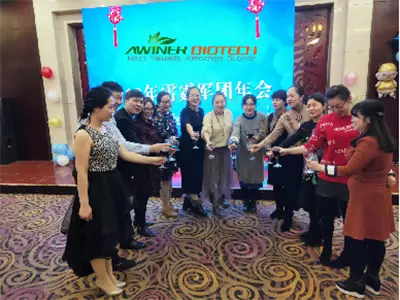
We actively participate in international pesticide exhibitions in countries such as Turkey, Iran, Pakistan, Nigeria, Russia, Cambodia, Malaysia, and Uzbekistan. Furthermore, our technical teams conduct on-site market inspections in customer countries, analyzing local pest pressure, evaluating product performance under ambient conditions, and delivering customized regulatory registration dossier support.

Next-generation R&D pathways in wax block rodenticide formulation, environmental safety, and smart rodent control integration.
R&D focused on replacing traditional petroleum-derived paraffin with eco-friendly bio-based plant waxes (soy-paraffin hybrid polymers) that reduce environmental microplastic accumulation while retaining top-tier hydrophobic resistance.
Polymer micro-encapsulation masks the chemical taste of high-concentration active ingredients, eliminating bait shyness in hyper-cautious rodent colonies and increasing mortality rates upon initial feeding.
Wax blocks engineered with micro-chipped optical indicators for automated consumption tracking via IoT sensors inside smart bait stations, streamlining municipal and warehouse pest control labor costs.
Expert insights answering common technical, regulatory, and logistics queries for international agrochemical distributors and pest control operators.
Comprehensive agrochemical solutions, systemic fungicides, plant growth regulators, and public health pest control products for industrial trade.
 Awiner Biotech