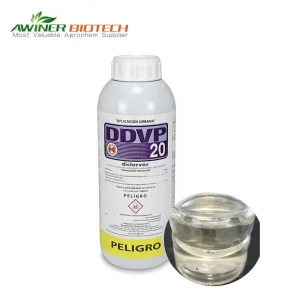
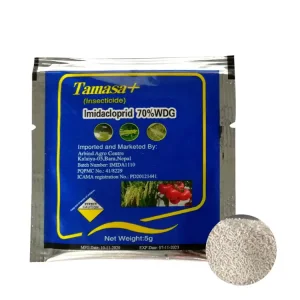
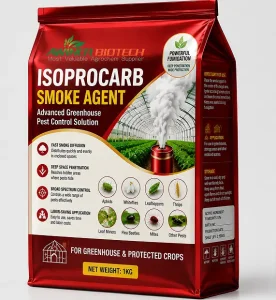
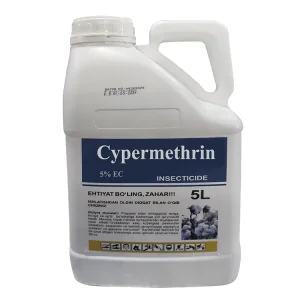
Cotton (*Gossypium hirsutum*) stands as one of the most critical industrial non-food cash crops globally, sustaining textile manufacturing supply chains across Asia, South America, North America, and Europe. However, global cotton cultivation faces continuous biological pressures, including aggressive weed competition, destructive chewing and sucking pests (such as the cotton bollworm *Helicoverpa armigera*, pink bollworm *Pectinophora gossypiella*, aphids, whiteflies, and spider mites), and fungal pathogens. To maintain yield performance and lint quality, international agricultural enterprises, cotton estate managers, and distributor networks heavily rely on chemical innovations and high-capacity manufacturing hubs in China.
China’s agrochemical manufacturing sector—specifically specialized formulation plants operating under strict national environmental and ISO quality standards—provides the essential foundation for global cotton crop management. The tag search China #cottonmanufacturer Quotes & Manufacturers reflects a sophisticated global B2B procurement query. Modern buyers are not merely searching for basic chemical commodities; they require integrated plant protection solutions, optimized defoliation regimes, high-purity active ingredient (AI) technical concentrates (TC), and customized, field-ready formulations (such as Emulsifiable Concentrates [EC], Soluble Powders [SP], Water Dispersible Granules [WDG], and Suspension Concentrates [SC]).
Strategic Market Insight: Integrated pest management (IPM) in global cotton farming requires a synergistic application of selective pre-emergence herbicides, systemic insecticides with diverse IRAC (Insecticide Resistance Action Committee) modes of action, and physiological harvest-aid chemicals. Chinese agrochemical manufacturers lead the global market by offering cost-effective, high-purity synthesized technical materials alongside field-proven custom blending capabilities.
Achieving maximum cotton yield and premium fiber quality demands an end-to-end agronomic protection program across five distinct growth stages: Seed Treatment & Germination, Early Vegetative Development, Flowering & Square Formation, Boll Filling, and Harvest Defoliation.
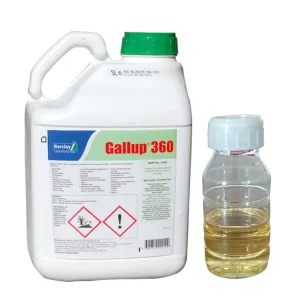
Early-season weed competition can reduce cotton yield by up to 45% if left unmanaged. Selective pre-emergence herbicides such as Pendimethalin (330 g/L EC) create a robust chemical barrier in the upper soil profile, inhibiting cell division (microtubule assembly) in germinating weed seeds. Furthermore, broad-spectrum non-selective herbicides like Glyphosate (480 g/L SL) are deployed for pre-plant land preparation and tea garden or fallow field clearings to eliminate perennial weeds before crop establishment.
Cotton pest management requires constant rotation to prevent resistance development:
In modern mechanized cotton harvesting, natural leaf drop is insufficient. Chinese chemical manufacturers produce specialized harvest aid chemicals (defoliants and boll openers such as Thidiazuron + Diuron EC blends and Ethephon). Timely defoliation ensures clean mechanical picking, minimizes leaf trash in cotton gins, reduces lint staining, and accelerates uniform boll opening.
Awiner Biotech was founded in 2006, located in north of China-Shijiazhuang, Hebei Province. The city is close to our capital Beijing, transportation is convenient. Awiner Biotech is committed to research, produce and distribute agrochemicals. mainly deal with pesticides, herbicides, fungicides, plant growth regulator and public health pesticides.
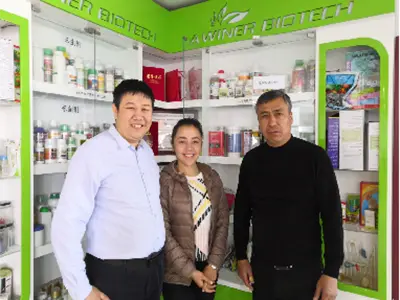
Up to now, we have win customers from Iraq, Iran, Afghanistan, Pakistan, India, Libya, Syria, Turkey, Yemen, Ukraine, Russia, Kazakhstan, Uzbekistan, Chile, Bolivia, Mexico, Brazil, Paraguay, Nigeria, Djibouti, Rwanda, Somalia, Malaysia, Cambodia, Nepal, Myanmar and so on.
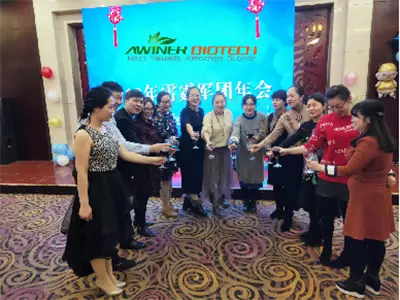
Our countries participating in the exhibition are Turkey, Iran, Pakistan, Nigeria, Russia, Cambodia, Malaysia, Uzbekistan, etc., connecting directly with global cotton producers and crop protection agencies.
We go to the customer's country to conduct market inspections, analyze and solve problems for them, understand their product usage, and customers will also visit us at our main manufacturing sites.
Every batch of cotton protection chemical leaving China manufacturing plants undergoes comprehensive High-Performance Liquid Chromatography (HPLC) and Gas Chromatography (GC) analysis. This guarantees active ingredient concentration, limits toxic impurities (such as nitrosamines or sulfoned insecticides derivatives), and maintains strict control over emulsification, suspension stability, wetting time, and thermal stability under extreme tropical climatic storage conditions (+54°C FAO testing protocols).
Commercial agricultural buyers, importers, and regional agrochemical distributors searching for reliable quotes from Chinese manufacturers must evaluate prospective suppliers across four core operational metrics:
Provision of complete GLP-accredited toxicology reports, environmental fate studies, Certificate of Analysis (CoA), and ICAMA (Institute for the Control of Agrochemicals, Ministry of Agriculture) export certificates required for local ministry registrations in target countries.
High-density polyethylene (HDPE) bottles, Fluorinated aluminum bottles, UN-certified steel drums, and co-extruded barrier containers designed to withstand maritime transits, preventing degradation or solvent leakage under high temperature and humidity.
The global cotton agrochemical sector is undergoing a rapid technological evolution driven by strict Maximum Residue Limit (MRL) enforcement, drone (UAV) application compatibility, and environmental sustainability demands.
 Awiner Biotech