Direct supply from state-of-the-art Chinese manufacturing facilities. Formulated to meet strict FAO/WHO specifications, certified for global market distribution.
An in-depth evaluation of chemical interventions, crop yield optimization, and supply chain dynamics driving the global cotton sector.
Cotton (Gossypium hirsutum L.) stands as the cornerstone of the world's natural fiber textile economy, accounting for tens of billions of dollars in global agricultural trade. However, cultivating high-yield, premium-grade lint requires navigating a complex biological ecosystem plagued by aggressive pest pressures (such as cotton bollworms, whiteflies, and aphids), foliage fungal pathogens, and environmental stress factors. Modern cotton farming depends heavily on precision agrochemical solutions—specifically insecticides, plant growth regulators (PGRs), systemic fungicides, and selective herbicides—to protect yield integrity and ensure fiber length, strength, and color grade.
As a leading hub for chemical synthesis and formulation innovation, China has emerged as the premier global supplier for high-grade agrochemicals. B2B agricultural importers, regional chemical distributors, and commercial plantation managers seeking a reliable China #cottonsupplier rely on chemical suppliers capable of delivering high-purity Technical Grade (TC) active ingredients alongside advanced Water Dispersible Granules (WDG), Soluble Liquid (SL), and Emulsifiable Concentrates (EC). Leveraging scaled production capacities and stringent ICAMA quality controls, Chinese manufacturers deliver cost-effective, high-efficacy formulations to optimize global crop yield.
Cotton growers face interconnected challenges across different developmental stages:
Founded in 2006 in Shijiazhuang, Hebei Province, Awiner Biotech provides comprehensive agrochemical research, manufacturing, and international trade support.
Established in 2006, Awiner Biotech operates from Shijiazhuang, Hebei Province—north of China, in close proximity to Beijing. This strategic location offers direct logistics connectivity to major sea ports like Tianjin, facilitating seamless international chemical distribution.
We supply agrochemical solutions to partners across dozens of international markets, including: Iraq, Iran, Afghanistan, Pakistan, India, Libya, Syria, Turkey, Yemen, Ukraine, Russia, Kazakhstan, Uzbekistan, Chile, Bolivia, Mexico, Brazil, Paraguay, Nigeria, Djibouti, Rwanda, Somalia, Malaysia, Cambodia, Nepal, Myanmar, and beyond.
Our team actively participates in global trade expos across Turkey, Iran, Pakistan, Nigeria, Russia, Cambodia, Malaysia, and Uzbekistan. We conduct detailed on-site field surveys, analyzing local soil chemistry, crop diseases, and regional resistance profiles to provide customized customer solutions.
Technical formulation overview, mechanisms of action, and targeted pest/disease defense strategies in professional cotton agronomy.
Cotton crops are vulnerable to piercing-sucking and chewing pests. Effective pest management requires rotating chemistry with distinct Modes of Action (MoA):
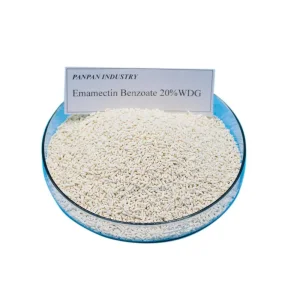
A macrocyclic lactone insecticide derived from Streptomyces avermitilis fermentation. Binds to gamma-aminobutyric acid (GABA) receptors and glutamate-gated chloride channels in insect nerve cells, causing rapid paralysis and mortality in Helicoverpa armigera (Cotton Bollworm) and Spodoptera litura. Exhibits strong translaminar activity with minimal disruption to beneficial predatory insects when dried on leaf surfaces.
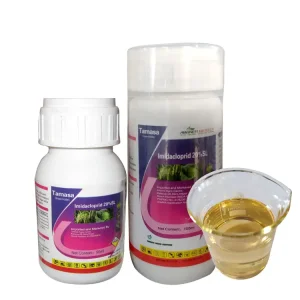
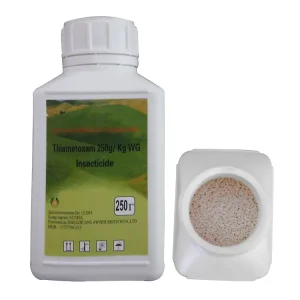
Systemic neonicotinoid compounds targeting nicotinic acetylcholine receptors (nAChR) in insect central nervous systems. Highly systemic through root uptake and foliar absorption, offering control against piercing-sucking pests such as Aphis gossypii (Cotton Aphid), Bemisia tabaci (Cotton Whitefly), and leafhoppers. Protects early-stage cotton seedlings from viral transmission carried by insect vectors.
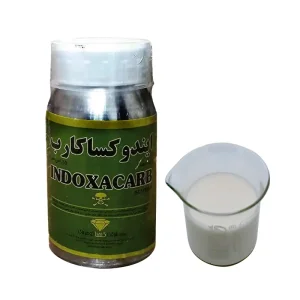
An oxadiazine insecticide that blocks voltage-gated sodium channels in insect nerve cells. Exceptional control against resistant lepidopteran larvae. Rapidly inhibits feeding, protecting squares and bolls from damage even during periods of high pest pressure.
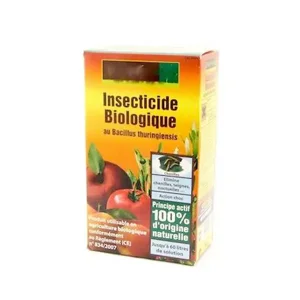
A biological insecticide containing crystal proteins (delta-endotoxins) and viable spores. Upon ingestion by lepidopteran larvae, midgut alkaline conditions solubilize the toxins, disrupting cell membranes. An ideal choice for organic-certified fields and sustainable IPM programs.
Plant Growth Regulators balance vegetative canopy growth and generative fruit setting in high-density cotton planting systems:
| Active Ingredient | Chemical Class | Agronomic Function in Cotton Cultivation | Target Phase |
|---|---|---|---|
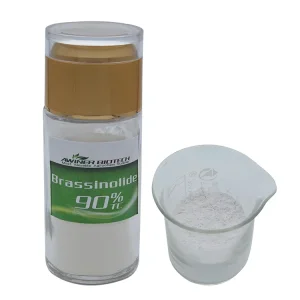
| Natural Brassinolide (90% TC) | Brassinosteroid | Promotes cell division, increases chlorophyll concentration, enhances heat/drought tolerance, reduces flower drop. | Seedling to Early Bloom |
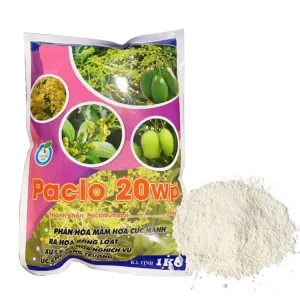
| Paclobutrazol (20% WP) | Triazole Growth Retardant | Inhibits gibberellin biosynthesis; curtails stem elongation, shortens internodes, thickens leaves, improves canopy light penetration. | Squaring to Peak Bloom |
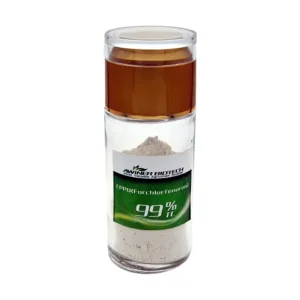
| Forchlorfenuron (CPPU) | Phenylurea Cytokinin | Stimulates cell expansion and nutrient translocation to developing cotton bolls, increasing boll weight and fiber density. | Boll Formation Phase |
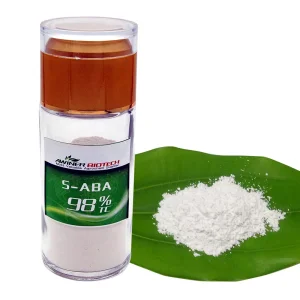
| S-Abscisic Acid (S-ABA 98% TC) | Sesquiterpene Phytohormone | Regulates stomatal closure during severe water deficits, reduces transpiration loss, enhances root survival under abiotic stress. | Vegetative / Stress Events |
| Gibberellic Acid (GA4+7 TC) | Diterpenoid Phytohormone | Stimulates seed germination rate, breaks seed dormancy, promotes early canopy closure under cool conditions. | Pre-planting / Early Shoot |
| Cytokinin (6-BA) | Adenine Cytokinin | Promotes lateral bud differentiation, retards foliar senescence, maintains green leaf activity during late boll filling. | Late Bloom to Filling |
Preventative disease management preserves canopy health and root vitality during early-season dampening-off and late-season fungal leaf spot outbreaks:
Clean fields prevent weeds from competing for essential nutrients, water, and sunlight:
Custom chemical delivery systems suited to regional weather, planting techniques, and harvesting methodologies worldwide.
Context: Large-scale mechanized cotton belts (such as Xinjiang, China, Australia, and Brazil) require uniform crop height and synchronous boll opening.
Chemical Program: Tank-mix applications of Paclobutrazol or Mepiquat Chloride at peak flowering to control rank growth, followed by coordinated defoliant applications prior to mechanical harvesting.
Context: Tropical & Subtropical regions (South Asia, Sub-Saharan Africa) face multi-generational insect pressure and high humidity.
Chemical Program: Alternating systemic Neonicotinoid seed treatments (Thiamethoxam/Imidacloprid) with targeted foliar sprays of Emamectin Benzoate + Indoxacarb to manage resistance in Helicoverpa armigera.
Context: Sustainability-focused commercial farms seeking minimal environmental disruption.
Chemical Program: Early-season application of bio-pesticides (Bacillus thuringiensis 32,000 IU/mg) alongside localized applications of Brassinolide 90% TC to improve plant recovery after pest damage.
Stringent analytical chemistry protocols, ICAMA registration support, and packaging standards for international importers.
As a responsible China #cottonsupplier manufacturer, Awiner Biotech maintains strict quality control measures throughout synthesis, formulation, and packaging:
Exporting agricultural chemicals globally requires navigating regulatory frameworks across diverse regions (EFSA, EPA, LATAM Ministries, Middle East Ag Ministries). Awiner Biotech supports our partners with essential registration documentation:
Innovations shaping the future of global cotton crop defense and chemical manufacturing.
Refining micro-emulsion (ME) and suspension concentrate (SC) formulations optimized for agricultural UAV drones, improving coverage efficiency while reducing water requirements by up to 90%.
Combining biological pest defense solutions (like Bacillus thuringiensis) with low-dose active synthetics to minimize chemical residues while preventing pesticide resistance built by bollworms.
Expanding natural plant growth regulator blends featuring S-ABA and Brassinolide to build crop resilience against severe droughts and heat waves caused by global climate shifts.
Transitioning to fully recyclable HDPE containers, water-soluble packaging bags, and bulk container logistics to reduce plastic waste across international supply chains.
Expert answers regarding product sourcing, custom formulations, pesticide tank-mixing, and global shipping logistics.
Complete your crop defense strategy with high-performance plant growth regulators, bio-insecticides, and weed management solutions.
 Awiner Biotech