Direct export quotes, OEM custom synthesis, and technical-grade formulations for international commercial growers.
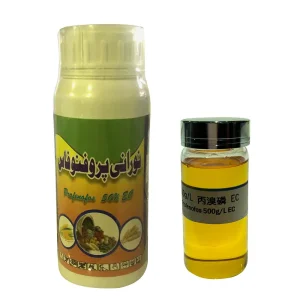
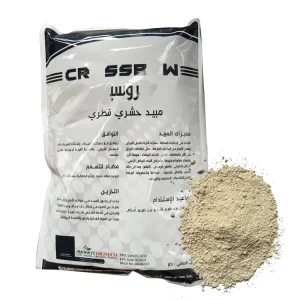
Cotton (Gossypium hirsutum) stands as one of the world's most vital non-food agricultural commodities, underpinning global textile supply chains and agrarian economies across Asia, Latin America, the Middle East, and Africa. However, the commercial yield and lint quality of cotton are persistently threatened by sap-sucking phytophagous pests, most notably the cotton aphid (Aphis gossypii Glover). As a polyphagous species with rapid reproduction rates, high morphological plasticity, and an extraordinary capacity for metabolic insecticide resistance, Aphis gossypii presents an enduring operational risk to agricultural enterprises worldwide.
Aphids cause direct physiological damage by thrusting their piercing-sucking stylets into phloem tissues, extracting critical photosynthates, and causing leaf curling, chlorosis, necrosis, and severe stunting during early vegetative growth stages. More damaging to downstream commercial profitability is their secondary impact: the excretion of honeydew—a sticky, sugar-rich fluid. Honeydew accumulation on open cotton bolls triggers the rapid proliferation of black sooty mold fungi (Capnodium spp.). This creates "sticky cotton," a catastrophe for textile spinning mills as it gums up carding machinery, drastically reduces fiber grading, and incurs severe financial penalties for cotton exporters.
To maintain agricultural viability, commercial procurement teams and large-scale farming conglomerates rely heavily on advanced chemical intervention strategies. Procurement directors seeking to acquire China insecticide for aphids in cotton quotes must navigate complex parameters: formulation stability under extreme temperatures, anti-resistance rotation protocols, cost-per-hectare efficiency, and stringent international compliance frameworks.
Effective aphid management requires addressing both early-season seedling aphid attacks and late-season cotton boll infestation. Formulations must be chosen based on systemic movement within plant tissue (xylem/phloem translaminar activity) rather than simple contact mortality, as aphids colonize the undersides of dense foliar canopies.
Targeting Aphis gossypii requires deep technical familiarity with insect physiology. Widespread over-reliance on single active ingredients has led to target-site mutations (such as R81T in nicotinic acetylcholine receptors) and cytochrome P450-mediated metabolic resistance in wild aphid populations. Modern cotton pest management relies on active ingredient rotation based on IRAC (Insecticide Resistance Action Committee) classification.
Actives: Imidacloprid, Acetamiprid, Thiamethoxam.
Mechanism: Competitively bind to postsynaptic nicotinic acetylcholine receptors (nAChR) in the insect central nervous system, causing continuous excitation, paralysis, and death.
Agronomic Fit: Excellent systemic root absorption and foliar translaminar movement. Ideal for early-to-mid season spraying.
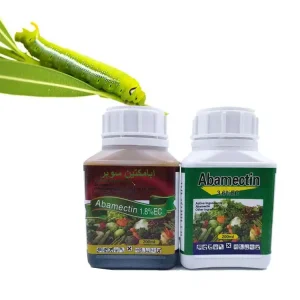
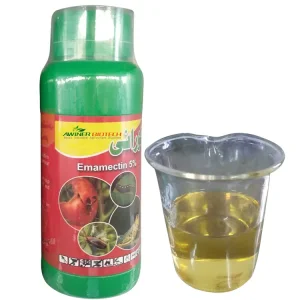
Actives: Abamectin, Emamectin Benzoate.
Mechanism: Stimulate gamma-aminobutyric acid (GABA) and glutamate-gated chloride channels, disrupting nerve signals and causing immediate feeding inhibition.
Agronomic Fit: Vital rotational partners when aphid populations show tolerance to neonicotinoids; offers co-control of spider mites and bollworms.
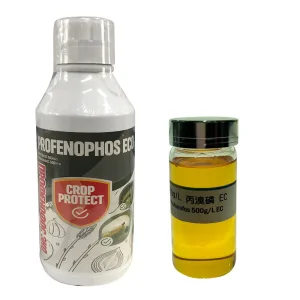
Actives: Profenofos, Cypermethrin, Thiocyclam.
Mechanism: Inhibit acetylcholinesterase (AChE) enzyme activity, leading to accumulation of acetylcholine at nerve synapses. Combined organophosphate-pyrethroid formulations offer rapid knock-down.
Agronomic Fit: Used for late-season quick knockdowns during heavy insect pest outbreaks.
| Active Ingredient | Formulation Types | IRAC Code | Target Pest Spectrum | Systemic Action | Recommended Field Dosage |
|---|---|---|---|---|---|
| Imidacloprid | 10% WP, 200g/L SL, 600g/L FS | Group 4A | Cotton Aphids, Thrips, Whiteflies | High Systemic & Xylem Mobile | 45 - 90 g a.i./ha |
| Abamectin | 1.8% EC, 3.6% EC, 5% WDG | Group 6 | Aphids, Two-Spotted Spider Mites | Translaminar (Leaf Penetration) | 5.4 - 10.8 g a.i./ha |
| Emamectin Benzoate | 2% EC, 5% WDG | Group 6 | Aphids, Cotton Bollworm, Spodoptera | Translaminar & Stomach Action | 7.5 - 15 g a.i./ha |
| Profenofos + Cypermethrin | 40% + 4% EC (44% EC) | Group 1B + Group 3A | Resistant Aphids, Helicoverpa armigera | Contact, Stomach & Vapor Action | 440 - 660 g a.i./ha |
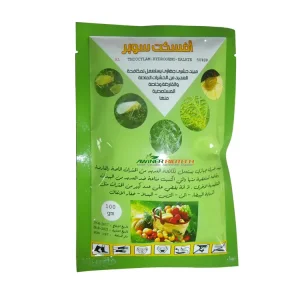
| Thiocyclam | 50% SP, 90% SP | Group 14 | Sucking Insects, Armyworms, Leafminers | Contact & Stomach Action | 250 - 400 g a.i./ha |
China produces a significant portion of the global output of technical-grade agrochemical active ingredients (TC) and finished crop protection formulations. Hebei Province, centered around its capital Shijiazhuang, stands as a core industrial hub for chemical synthesis, formulation engineering, and international export logistics.
Proximity to key chemical precursor supply chains minimizes production downtime and shields bulk purchasers from market price volatility. Raw synthesis scale ensures competitive bulk pricing for technical compounds.
Modern manufacturing facilities in Shijiazhuang utilize high-shear emulsification, fluid-bed jet milling, and micro-encapsulation to deliver stable EC, SC, WDG, and FS formulations that maintain stability in tropical storage conditions.
Located close to major Northern Chinese sea ports (such as Tianjin Port), Hebei agrochemical enterprises offer streamlined container shipping, dangerous goods (DG) compliance handling, and rapid export customs clearance.
Evaluating quotes for cotton insecticides from Chinese manufacturers requires analyzing more than just FOB unit prices. Procurement teams should evaluate supplier offers using the following parameters:
In modern commercial cotton farming, insecticides are rarely applied in isolation. Operational efficiency requires tank-mixing aphid control products with plant growth regulators (PGRs), selective herbicides, or fungicides during specific growth windows.
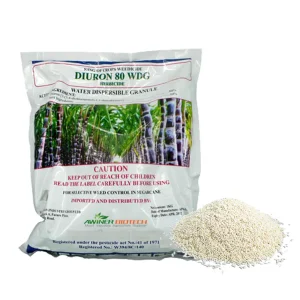
During late-season boll opening, growers apply defoliants like Thidiazuron (TDZ) and Diuron to induce foliage drop and accelerate boll maturation. However, late aphid outbreaks during defoliation can cause severe honeydew contamination on open cotton lint.
Co-applying fast-acting insecticides (such as Profenofos + Cypermethrin or Abamectin EC) alongside TDZ/Diuron mixtures cleans up remaining aphid populations while shedding leaves, ensuring clean, mold-free harvested cotton lint.
Foliar coverage is critical when target pests reside on the lower surfaces of leaves in a closed crop canopy. Modern boom sprayers and agricultural drones (UAVs) should adhere to the following spray parameters:
International commercial procurement of agrochemicals requires strict regulatory compliance. Importing active ingredients or formulated agrochemicals requires extensive registration dossiers, including GLP toxicological data, 5-batch chemistry reports, physical-chemical properties, and local field residue trials.
Awiner Biotech was founded in 2006, located in the north of China—Shijiazhuang, Hebei Province. The city is close to China's capital, Beijing, offering convenient logistics and industrial infrastructure. Awiner Biotech is committed to the research, production, and global distribution of agrochemicals, specializing in high-efficiency pesticides, herbicides, fungicides, plant growth regulators, and public health products.
With a focus on solving field challenges, Awiner Biotech conducts international market inspections, analyzes localized pest resistance issues, and provides tailored chemical solutions for distributors and commercial estates across more than 80 countries.
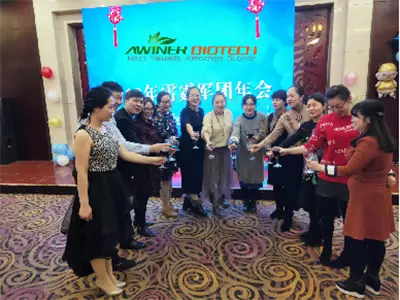
Established Market Presence: Iraq, Iran, Afghanistan, Pakistan, India, Libya, Syria, Turkey, Yemen, Ukraine, Russia, Kazakhstan, Uzbekistan, Chile, Bolivia, Mexico, Brazil, Paraguay, Nigeria, Djibouti, Rwanda, Somalia, Malaysia, Cambodia, Nepal, Myanmar, and more.
Regularly participating in major global agrochemical trade expos in Turkey, Iran, Pakistan, Nigeria, Russia, Cambodia, Malaysia, Uzbekistan, and other regional agricultural centers.
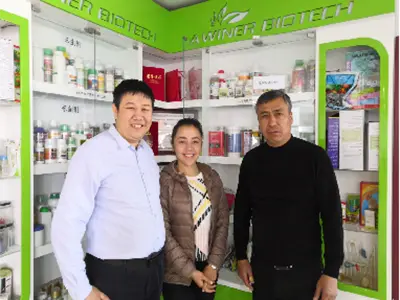
Conducting on-site market inspections, investigating local field performance, solving emergent resistance problems, and hosting client delegation visits at manufacturing facilities in China.
Explore complementary pest control solutions, plant growth regulators, and public health formulations.
As global environmental regulations tighten and target pests evolve resistance to older chemical classes, the agrochemical manufacturing sector in China is rapidly advancing its R&D roadmap toward sustainable, high-efficacy crop protection.
Encapsulating active ingredients in polymeric micro-shells extends residual field activity, reduces dermal toxicity for farm operators, and prevents volatilization losses under intense sunlight.
Transitioning traditional powder (WP) or solvent-heavy (EC) formulations into dust-free WDG granules improves applicator safety, reduces shipping weights, and eliminates solvent-driven phytotoxicity.
Integrating botanical extracts, metabolic enzyme inhibitors (such as Piperonyl Butoxide), and targeted peptide bio-pesticides preserves beneficial predator populations (e.g., ladybirds, lacewings) while maintaining aphid knockdown.
 Awiner Biotech