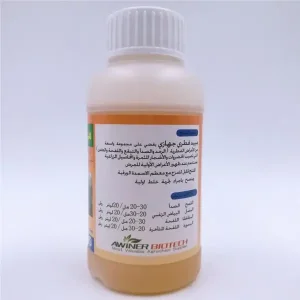
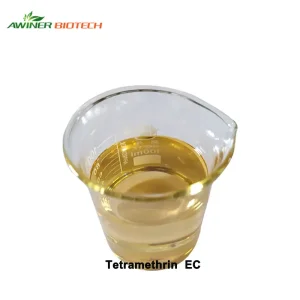
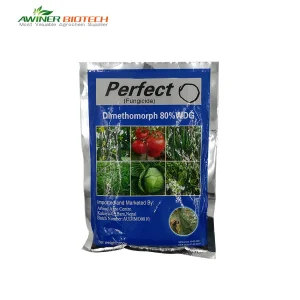
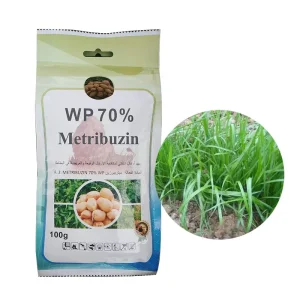
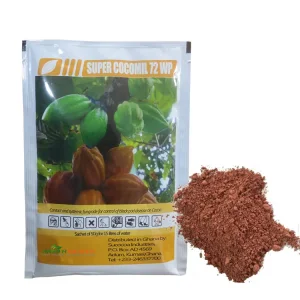
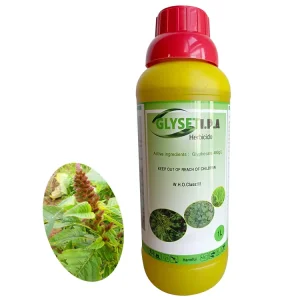
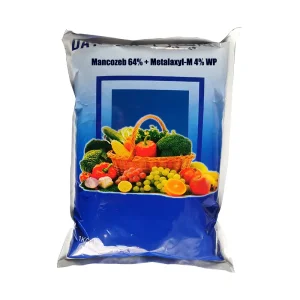
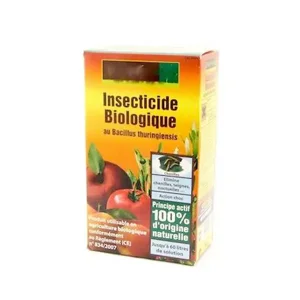
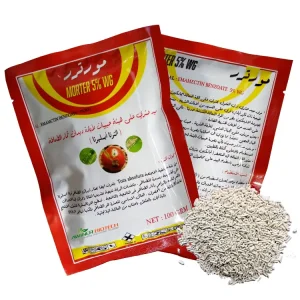
Explore our specialized pesticide and plant protection products optimized for MoA rotation and targeted resistance mitigation in intensive commercial vegetable production.
In intensive global horticultural ecosystems, insecticide resistance represents one of the most critical threats to commercial crop yields, food security, and agricultural profitability. The accelerated generation cycles of major vegetable pests—such as Plutella xylostella (Diamondback Moth), Bemisia tabaci (Whitefly), Thrips palmi, and Liriomyza trifolii (Leafminer)—combined with continuous, single-mode-of-action (MoA) chemical selection pressures, have rapidly selected for metabolic and target-site mutations. As a leading China insecticide resistance management vegetables supplier & manufacturer, Awiner Biotech delivers holistic, scientific IRM frameworks designed to break resistant cycles, preserve active chemical efficacy, and secure high-value vegetable yields.
Systematic windowing strategies alternating non-cross-resistant chemical classes (e.g., Neonicotinoids, Diamides, Avermectins, and Insect Growth Regulators) to prevent target-site mutation dominance across successive pest generations.
Incorporation of enzyme inhibitors like Piperonyl Butoxide (PBO) and specialized surfactant matrices to neutralize cytochrome P450 monooxygenases and esterases responsible for detoxifying synthetic pyrethroids and organophosphates.
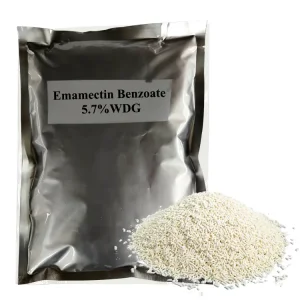
Integration of biological controls such as Bacillus thuringiensis (BT) formulations with highly refined selective chemical agents (like Emamectin Benzoate 5.7% WDG) to reduce synthetic chemical footprints while maintaining 99%+ control rates.
Across North America, Latin America, Southeast Asia, the Middle East, and Mediterranean Europe, commercial vegetable farming faces an unprecedented resistance crisis. Commercial growers report up to 40% yield losses due to ineffective conventional chemical applications. The loss of chemical efficacy stems directly from repeated over-reliance on single active ingredients without proper active rotational planning.
| Key Vegetable Crop | Primary Target Resistance Pest | Dominant Resistance Mechanism | Awiner IRM Strategic Counter-Solution |
|---|---|---|---|
| Brassicaceae (Cabbage, Broccoli) | Diamondback Moth (Plutella xylostella) | Sodium channel mutation & Cytochrome P450 upregulation | Rotation of Emamectin Benzoate 5.7% WDG with Bacillus thuringiensis 32000 IU/mg WP |
| Solanaceae (Tomato, Pepper, Eggplant) | Whitefly (Bemisia tabaci) & Thrips | Organophosphate & Pyrethroid target-site insensitive AChE | Compound Lambde-cyhalothrin + Thiamethoxam SC synergized with PBO formulations |
| Cucurbitaceae (Cucumber, Melon) | Aphids (Aphis gossypii) & Red Spider Mites | Rapid metabolic detoxification & high generation speed | Alternating Diazinon 95% TC / 600g/L EC with multi-site contact protectants |
| Alliums & Leafy Greens | Beet Armyworm & Onion Thrips | Multi-drug efflux pumps and cuticle thickness modulation | Penoxsulam / Selective agrochemical mixtures with specialized rain-fastness penetrants |
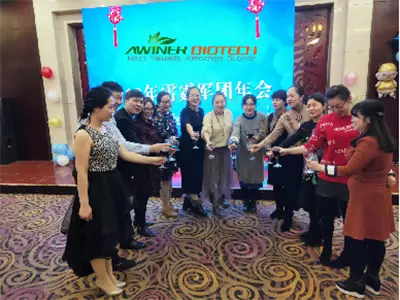
Awiner Biotech was founded in 2006, located in north of China—Shijiazhuang, Hebei Province. The city is close to our capital Beijing, where transportation is exceptionally convenient. Awiner Biotech is committed to research, produce, and distribute agrochemicals, mainly dealing with high-efficiency pesticides, herbicides, fungicides, plant growth regulators, and public health pesticides.
Our state-of-the-art chemical synthesis facilities and automated formulation lines allow us to supply world-class crop protection inputs engineered specifically to solve complex field resistance challenges facing commercial vegetable production worldwide.
Up to now, we have won trusted long-term customers and institutional agricultural partners across: Iraq, Iran, Afghanistan, Pakistan, India, Libya, Syria, Turkey, Yemen, Ukraine, Russia, Kazakhstan, Uzbekistan, Chile, Bolivia, Mexico, Brazil, Paraguay, Nigeria, Djibouti, Rwanda, Somalia, Malaysia, Cambodia, Nepal, Myanmar and beyond.
Awiner Biotech actively participates in major global agrochemical trade expos and plant protection conventions to showcase technological innovations in IRM. Countries participating in our exhibitions include Turkey, Iran, Pakistan, Nigeria, Russia, Cambodia, Malaysia, Uzbekistan, and more.
We personally visit our customers' home countries to conduct comprehensive on-site market inspections. We analyze pest dynamics, evaluate local resistance indices, troubleshoot application issues, and optimize product usage while hosting international clients at our Hebei manufacturing hub.
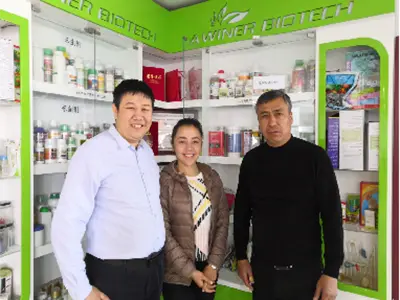
To maximize active ingredient lifespan and ensure zero harvest loss, Awiner Biotech provides customized, field-tested crop protection programs adapted to regional pest pressures and climatic variables.
Controlled greenhouse environments foster enclosed microclimates where pest life cycles accelerate rapidly. A single escaped female whitefly or thrips can spawn localized epidemics within days.
Open fields face continuous reinvasion from neighboring weeds and migratory insect vector species requiring high rain-fastness and broad-spectrum resistance control.
Navigating foreign agrochemical regulations requires robust technical documentation, precise batch-to-batch quality control, and localized registration assistance. Awiner Biotech offers enterprise-level compliance support tailored to regional import regulations across South America, Asia, Africa, and CIS countries.
We provide full regulatory packages including ICAMA certificates, GLP toxicological data, FAO standard specifications, Certificates of Analysis (COA), and Material Safety Data Sheets (MSDS) to expedite local ministry approvals.
Our modern chemical processing lines specialize in high-stability Water Dispersible Granules (WDG), Soluble Concentrates (SC), Emulsifiable Concentrates (EC), and Wettable Powders (WP) that resist storage degradation under extreme heat.
From 10ml ampoules and 100g foil pouches to 200L drums, we offer fully localized, multi-lingual branding and packaging customized to meet regional market preferences and safety labeling mandates.
As synthetic chemistry faces tightening environmental regulations and pest mutation speeds accelerate, Awiner Biotech is actively investing in next-generation crop protection technologies to keep growers ahead of resistance trends.
Our laboratory R&D pipeline is refining micro-encapsulated suspension formulations (CS) that release active molecules gradually upon target pest contact. This technology shields sensitive compounds from UV degradation, reduces active dosage requirements by up to 30%, and significantly extends field residual protection.
Future IRM architectures will merge chemical active ingredients with RNA interference (RNAi) biological agents and bio-stimulants. By silencing specific metabolic resistance genes in target pests prior to chemical contact, lower chemical doses achieve complete pest suppression while preserving beneficial insect species.
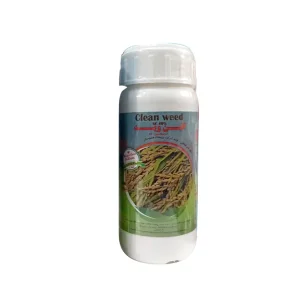
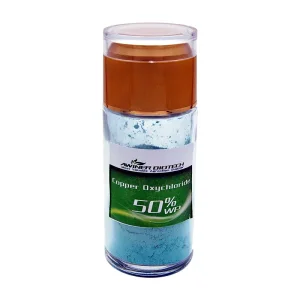
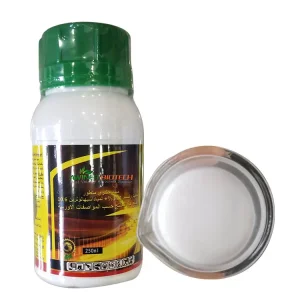
Explore our secondary series of high-performance herbicides, fungicides, and systemic insecticides engineered for comprehensive crop protection and integrated pest management (IPM).
 Awiner Biotech