Explore our high-efficacy active ingredients, customized formulations (WDG, SP, SC, EC, EW), and bulk supply options straight from China manufacturing hubs.
Analyzing systemic aphid threats, economic thresholds, and why sourcing chemical actives from qualified Chinese manufacturing hubs delivers sustainable, high-ROI crop protection solutions.
Understanding systemic xylem transport, translaminar activity, and neurotoxic pathways to select the precise active ingredient for specific crop micro-environments.
| Active Ingredient | Chemical Family / IRAC Group | Primary Mode of Action | Key Crop Applications | Systemic / Translaminar Profile |
|---|---|---|---|---|
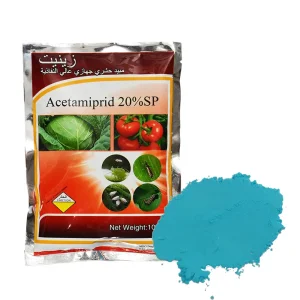
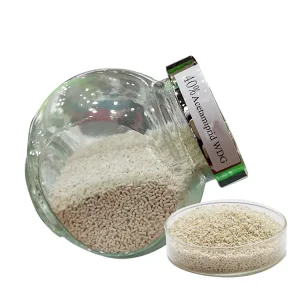
| Acetamiprid | Neonicotinoid (IRAC 4A) | Agonist of nicotinic acetylcholine receptors; causes neurotoxicity & paralysis. | Cotton, Vegetables, Orchards, Corn | High translaminar & acropetal systemic mobility |
| Thiamethoxam | Neonicotinoid (IRAC 4A) | Interferes with post-synaptic nicotinic receptors; broad systemic root & foliar uptake. | Cereal Grains, Soybeans, Seed Treatments | Extremely fast root systemic absorption |
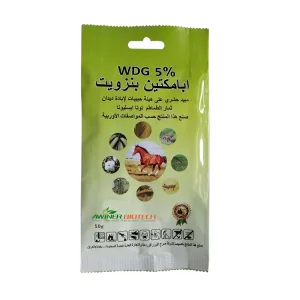
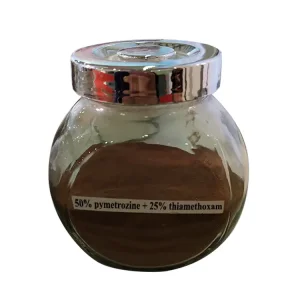
| Pymetrozine | Pyridine Azomethine (IRAC 9B) | Selective feeding blocker; paralyzes aphid mouthparts, leading to starvation within hours. | Rice, Greenhouse Crops, Citrus | Strong systemic phloem and xylem transport |
| Emamectin Benzoate | Avermectin (IRAC 6) | Stimulates GABA receptor chloride channels; causes neuromuscular inhibition. | Vegetables, Cotton, Fruit Trees | Translaminar reservoir inside leaf parenchyma |
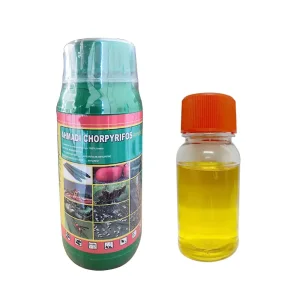
| Chlorpyrifos + Cypermethrin | Organophosphate (1B) + Pyrethroid (3A) | Dual acetylcholinesterase inhibition and voltage-gated sodium channel modulation. | Broadacre Crops, Industrial Fiber Crops | Contact, stomach action, strong vapor phase |
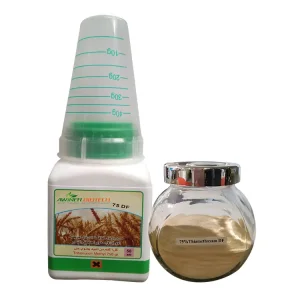
When controlling sap-sucking insects like aphids, product selection must account for vascular transport. Active ingredients such as Acetamiprid 20% SP and Thiamethoxam 75% WDG offer exceptional acropetal transport via the xylem, making them ideal for foliar sprays and soil drenching where hidden leaf undersides must be reached.
Modern formulations incorporate feeding blockers like Pymetrozine or active synergists like Emamectin Benzoate. These formulations immediately stop aphid feeding within 15–30 minutes, preventing viral transmission long before the pest dies. Translaminar action creates chemical reserves within leaf tissues, providing 14–21 days of continuous protection against nymph re-infestation.
How backward-integrated chemical synthesis and advanced formulation technologies enable high-volume, cost-effective global exports.
China’s chemical manufacturing infrastructure produces major intermediate precursors such as 2-chloro-5-chloromethylpyridine (CCMP) locally. This vertical integration buffers international buyers against global raw material price volatility and guarantees continuous production schedules.
Advanced fluidbed granulators and bead mills allow Chinese factories to produce Water Dispersible Granules (WDG) and Suspension Concentrates (SC) with superior dispersion, zero dust creation, and prolonged shelf life under tropical storage conditions (CIPAC tested).
Eliminating broker markups yields competitive FOB/CIF quotation structures. Tier-1 manufacturers offer transparent pricing models linked directly to technical grade spot prices, granting commercial importers and distributors strong retail margins.
Original Manufacturer Credentials, Export Reach, and Field Experience
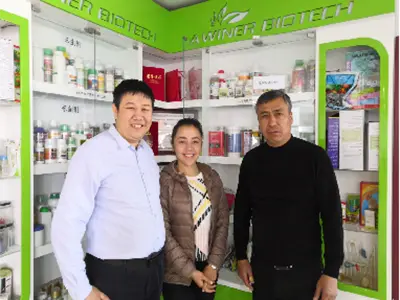
Awiner Biotech was founded in 2006, located in north of China-Shijiazhuang, Hebei Province. The city is close to our capital Beijing, transportation is convenient. Awiner Biotech is committed to research, produce and distribute agrochemicals. mainly deal with pesticides, herbicides, fungicides, plant growth regulator and public health pesticides.
Up to now, we have won customers from Iraq, Iran, Afghanistan, Pakistan, India, Libya, Syria, Turkey, Yemen, Ukraine, Russia, Kazakhstan, Uzbekistan, Chile, Bolivia, Mexico, Brazil, Paraguay, Nigeria, Djibouti, Rwanda, Somalia, Malaysia, Cambodia, Nepal, Myanmar and so on.
Our countries participating in the exhibition are Turkey, Iran, Pakistan, Nigeria, Russia, Cambodia, Malaysia, Uzbekistan, etc. We regularly meet with key distributors to present customized agrochemical solutions.
We go to the customer's country to conduct market inspections, analyze and solve problems for them, understand their product usage, and customers will also visit us in Shijiazhuang, China.
Facilitating seamless product registration in importing nations while customizing applications for protected horticulture and broadacre farming.
Navigating local agricultural ministry approvals requires robust technical data. We provide complete dossier support including:
Aphid behavior varies dramatically by crop architecture and local climate. Optimized application strategies include:
A step-by-step framework for agricultural chemical importers to maximize margin, secure OEM packaging, and streamline shipping.
Identify target active concentration (e.g., Acetamiprid 20% SP vs 70% WDG) based on local target pests, crop tolerance, and regional price sensitivity.
Select OEM retail bottles/sachets (e.g., 100g foil bags, 1L HDPE bottles with induction sealing) or industrial bulk drums (25kg fiber drums, 200L steel drums).
Request formal FOB (Qingdao/Tianjin/Shanghai) or CIF quotes. Include requirements for ICAMA legalizations and third-party inspection (SGS/BV).
Agrochemicals require specialized Dangerous Goods (DG) maritime handling. Partner with certified shippers for IMO Class 6.1 or Class 9 compliance.
Expert answers addressing active chemical selection, resistance mitigation, order MOQs, and regulatory compliance.
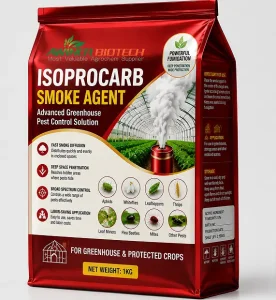
Select from specialized smoke agents, broad-spectrum fungicides, selective herbicides, and multi-target pest solutions.
 Awiner Biotech