Direct-from-factory quotes for large-scale agricultural enterprises, government bulk tenders, and global distributors.
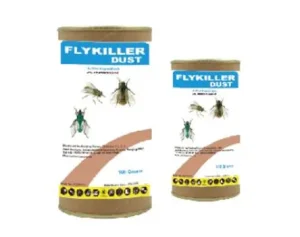
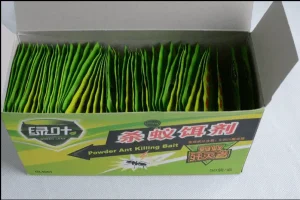
Analyzing how China’s manufacturing ecosystem stabilizes worldwide agricultural yield targets under climate volatility and macroeconomic shifts.
Modern large-scale farming demands high volumes of pesticide, herbicide, and fungicide formulations manufactured with strict chemical purity. China has established itself as the bedrock of global agrochemical production, accounting for more than 70% of global active ingredient (AI) synthesis capacity. The industrial integration of key upstream chemical building blocks—such as phosphorus chemistry, chlorine loops, and complex heterocyclic intermediates—enables Chinese manufacturers to maintain unparalleled cost efficiencies and volume scalability.
For global enterprise buyers, sourcing directly from Chinese production clusters minimizes middleman markup while ensuring access to advanced formulations like Water Dispersible Granules (WDG), Suspension Concentrates (SC), and Dry Flowables (DF).
One of the greatest existential threats to broadacre cereal, soybean, and paddy rice production is the rapid emergence of chemical resistance. Monoculture farming practices across North America, South America, and Eastern Europe have accelerated weed resistance against single-site herbicides like standard Glyphosate and single-mode ALS inhibitors.
Chinese chemical innovation has pivoted aggressively toward multi-mode-of-action co-formulations. By combining active ingredients with distinct sites of action (such as combining protoporphyrinogen oxidase (PPO) inhibitors, synthetic auxins, and acetolactate synthase (ALS) inhibitors), Chinese factories provide high-gain solutions designed to overcome recalcitrant species like Echinochloa crus-galli, Amaranthus palmeri, and Conyza bonariensis.
Understanding cost structure variations across Herbicides, Insecticides, Fungicides, and Plant Growth Regulators (PGRs).
| Agrochemical Category | Key Active Ingredients & Formulations | Commercial Pricing Drivers | Primary Industrial Use Case |
|---|---|---|---|
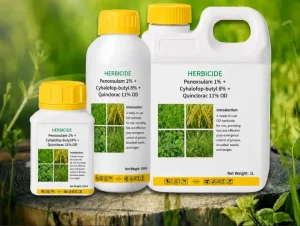
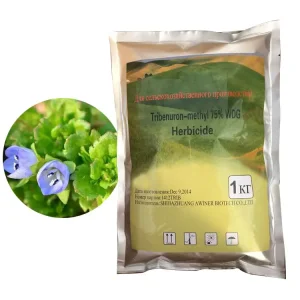
| Resistance Herbicides | Triple-Mode Mixes, Penoxsulam, Tribenuron-methyl 75% WDG | Raw intermediate synthesis cost, surfactant technology, WDG granule solubility rate. | Broadacre Paddy Rice, Wheat, and Maize weed control management. |
| Non-Selective Herbicides | Glyphosate (TC / SL / WDG), Glufosinate-Ammonium | Yellow phosphorus market index, glycine raw material pricing, ocean freight container density. | Zero-till soil preparation, orchard clearing, industrial broadacre burn-down. |
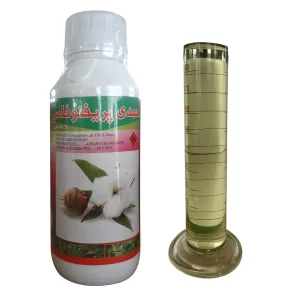
| Broad-Spectrum Insecticides | Profenofos 40% + Cypermethrin 4% EC, Diazinon 95% TC | Petrochemical solvent pricing, emulsifier balance, container chemical resistance compatibility. | Chewing and sucking insect outbreaks in Cotton, Vegetables, and Fruit crops. |
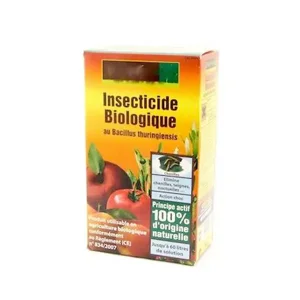
| Systemic Biological Pest Control | Imidacloprid 2% GR, Fipronil 0.05% Bait, Bacillus thuringiensis (BT) | Fermentation IU/mg activity density, granular carrier quality, bait attractant stability. | Public health pest control, soil insect treatment, IPM integrated farming systems. |
| Fungicides & Grain Protection | Triadimenol 95% TC / WP, Aluminium Phosphide Fumigant | Specialized chemical synthesis pathways, gas-tight packaging, shelf-life extension. | Cereal rust prevention, grain silo fumigation, seed treatment protocols. |
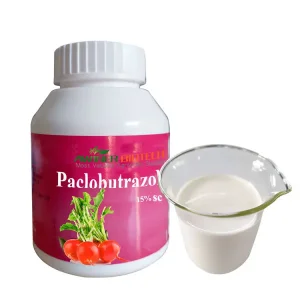
| Plant Growth Regulators (PGR) | Gibberellic Acid (GA3) 10% SP, Paclobutrazol 15% SC, 6-BA Cytokinin | Synthesis purity, micro-dosage accuracy, stability in high-alkalinity tank mixes. | Yield enhancement, lodging reduction in cereals, bud formation in Tea & Tobacco. |
Chinese manufacturing models offer flexible pricing structures based on order volume. Wholesale purchasing options range from Standard Commercial Packaging (1L, 5L, 20L HDPE drums) to Industrial Bulk Shipping (1000L IBC Totes, 200kg Iron Drums, Bulk ISO-Tanks). Bulk contract manufacturing (OEM/ODM) typically unlocks additional 8% to 15% cost reductions.
A critical component embedded in chemical pricing is regulatory support. Premier manufacturers provide Good Laboratory Practice (GLP) data packets, 5-batch analysis reports, acute toxicity studies, and environmental fate documents necessary for regional registrations with agricultural ministries worldwide.
Modern environmental mandates have shifted pricing toward green formulation technologies. Modern factories emphasize non-aromatic solvents, water-based Suspension Concentrates (SC), and Micro-encapsulated Suspensions (CS) to meet international eco-toxicological standards without compromising pest control efficacy.
Maximizing field bio-efficacy through advanced synergistic chemistry and active ingredient stability.
In flooded paddy fields and direct-seeded rice systems, herbicide resistance threatens millions of metric tons of yield. Formulations like Penoxsulam provide systemic selective broad-spectrum control against annual grasses, sedges, and broadleaf weeds. When integrated into multi-mode herbicide mixtures, active ingredients block acetolactate synthase (ALS), preventing amino acid synthesis in target weeds while maintaining crop safety for paddy rice cultivars.
Managing insect pest vectors requires balancing quick knockdown activity with extended residual control. Premix formulations like Profenofos 40% + Cypermethrin 4% EC utilize organophosphate and pyrethroid dual modes of action to attack target pests via contact, stomach toxicity, and ovicidal action, rendering them highly effective against resistant lepidopteran pests like cotton bollworms and armyworms.
Fungal outbreaks can decimate thousands of hectares within days. Systemic triazole fungicides like Triadimenol (95% TC, 25% EC, 10% WP) operate by inhibiting ergosterol biosynthesis in fungal cell membranes. This provides preventive, curative, and eradicative control against powdery mildew, rusts, and smut diseases in cereals, coffee, and fruit trees.
Unlocking the genetic yield ceiling of commercial crops requires physiological hormonal tuning. Gibberellic Acid (GA3 10% SP) breaks dormancy and accelerates cell elongation, while Paclobutrazol 15% SC restricts vegetative growth, reducing lodging risk in high-density cereal farming. Additionally, 6-BA Cytokinin promotes lateral bud formation and cell division in specialty crops like tea, tobacco, and high-value horticulture.
Tailored chemical strategies designed for regional soil types, climatic variables, and cropping systems.
Characterized by ultra-large-scale soybean, corn, and sugarcane plantations spanning thousands of continuous hectares. Primary focus: Managing resistant glyphosate weeds and Fall Armyworm (Spodoptera frugiperda). Multi-active tank mixes with drift-reduction adjuvants are crucial for high-altitude aerial and boom spraying.
Focused on broadacre winter wheat, barley, and sunflower production. High demand for cold-stable liquid formulations (SC, EC) that maintain dispersion integrity at low ambient temperatures, alongside powerful triazole fungicides (Triadimenol) to combat rusts and smuts.
Arid farming and irrigated valley agriculture (cotton, fruits, dates, vegetables). Chemical requirements mandate heat-stable active ingredients, UV-protected packaging, and highly soluble drip-irrigation compatible formulations that leave zero nozzle-clogging residues.
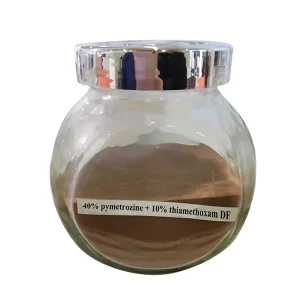
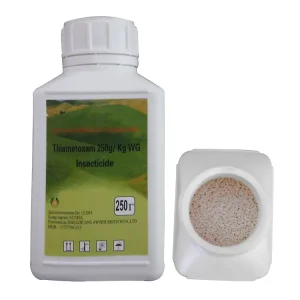
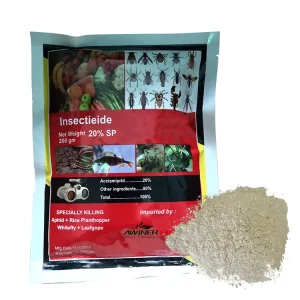
Intensive paddy rice, oil palm, and tropical fruit production. High humidity increases fungal pressure and rapid weed proliferation. Tailored solutions feature Penoxsulam-based herbicides, specialized Thiamethoxam/Pymetrozine insect controls for Planthoppers, and rainfast adjuvant formulations.
Transitioning from smallholder plots to consolidated commercial farming blocks. Heavy emphasis on cost-effective broad-spectrum insecticides (Profenofos+Cypermethrin), public health vector control (Imidacloprid GR / Fipronil Bait), and high-potency grain store protection (Aluminium Phosphide).
How chemical engineering is adapting to autonomous precision agriculture and environmental stewardship.
The rapid adoption of agricultural spraying drones (UAVs) requires chemical formulations engineered for extreme low-water dilution ratios. Modern Chinese laboratories are pioneering specialized drift-control agent integrations and anti-evaporation surfactants that maximize droplet coverage during high-speed aerial passes.
Next-generation micro-encapsulated suspensions (CS) utilize natural polymer membranes that degrade under targeted soil pH or enzymatic triggers. This controlled-release technology extends active ingredient residual activity by up to 40% while preventing sudden active loss from heavy rain runoff.
Pairing artificial intelligence pest detection cameras with spot-spraying chemical application rigs reduces active ingredient consumption per hectare. Chinese agrochemical manufacturers collaborate with hardware developers to produce specialized liquid mixes engineered specifically for smart spot-application systems.
Direct verification of manufacturing expertise, global exhibition footprint, and field market survey capabilities.
Awiner Biotech was founded in 2006, located in north of China - Shijiazhuang, Hebei Province. The city is close to our capital Beijing, and transportation is convenient. Awiner Biotech is committed to research, produce and distribute agrochemicals, mainly dealing with pesticides, herbicides, fungicides, plant growth regulators, and public health pesticides.
With nearly two decades of continuous innovation and quality enhancement, Awiner Biotech has established strict ISO manufacturing protocols, high-precision laboratory quality testing, and comprehensive international registration support packages to empower global farm operators and chemical distributors.
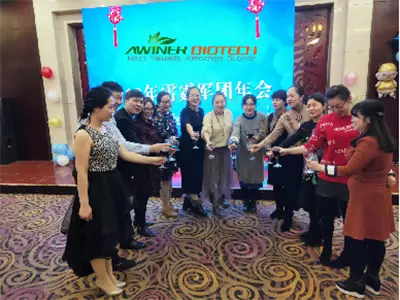
Up to now, we have won customers from Iraq, Iran, Afghanistan, Pakistan, India, Libya, Syria, Turkey, Yemen, Ukraine, Russia, Kazakhstan, Uzbekistan, Chile, Bolivia, Mexico, Brazil, Paraguay, Nigeria, Djibouti, Rwanda, Somalia, Malaysia, Cambodia, Nepal, Myanmar, and so on.
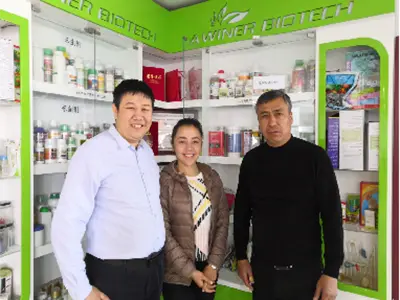
Global Exhibition Footprint: Our countries participating in agrochemical exhibitions include Turkey, Iran, Pakistan, Nigeria, Russia, Cambodia, Malaysia, Uzbekistan, etc.
Customer Market Surveys: We regularly travel to our customers' countries to conduct hands-on market inspections, analyze agronomic challenges, solve application issues on-site, and evaluate product performance across diverse soil types. Customers also visit our manufacturing facility in Hebei for quality audits.
A systematic four-stage framework designed for institutional buyers, agricultural co-ops, and industrial farm chains.
Small-scale sample testing in regional target soils to verify pest kill rate, crop safety margins, and tank-mix compatibility.
Full coordination of GLP batch reports, Certificate of Analysis (COA), and registration filings with local agricultural authorities.
Selection of UN-certified hazardous material packaging, fluorinated HDPE bottles, and customized branding artwork.
Temperature-monitored sea freight loading, hazardous container handling, and seamless customs documentation support.
Addressing core intent queries from international procurement directors, agronomists, and chemical traders.
Explore our secondary series of certified fungicides, plant regulators, herbicides, and broad-spectrum pest control products.
 Awiner Biotech