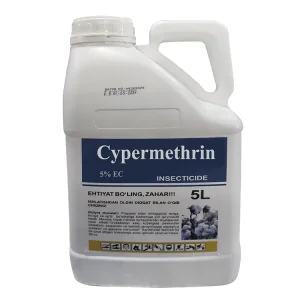
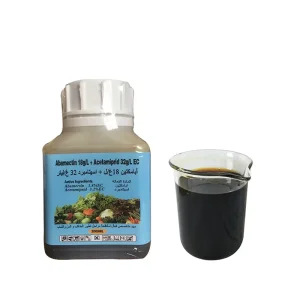
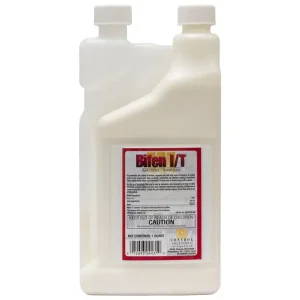
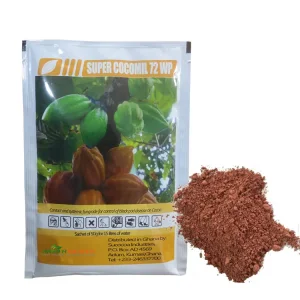
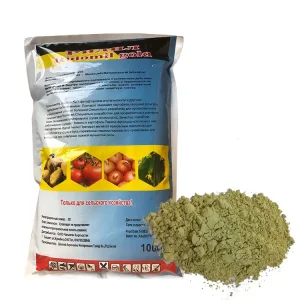
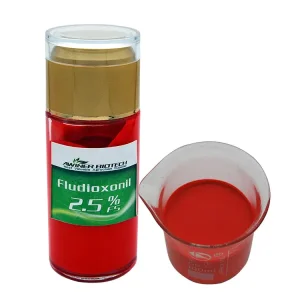
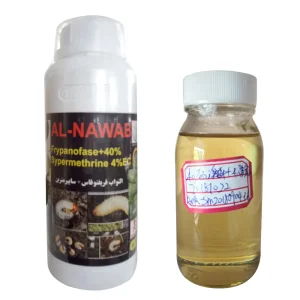
Explore our core global offerings manufactured under rigorous ISO standards for worldwide agricultural and public health distribution.
In modern commercial cotton production (Gossypium hirsutum L.), the transition from manual harvesting to high-efficiency mechanical picking (spindle pickers and stripper harvesters) represents the single greatest leap in operational profitability. However, mechanical harvesting is physically impossible without precise, chemically induced leaf defoliation and accelerated boll opening. As a premier global cotton defoliation spray factory and manufacturer, our technical mission is to provide large-scale farming conglomerates, regional distributors, and agricultural enterprises with chemical harvest aids that trigger controlled plant senescence without compromising fiber quality.
Defoliation is not merely "killing leaves." It is a highly sensitive physiological intervention. When applied correctly, synthesized harvest aid chemicals stimulate the natural formation of an abscission layer at the base of the leaf petiole. This process isolates the leaf from the main stem, prompting clean detachment while leaves are still green and pliable, or rapidly desiccating foliage to eliminate trash contamination during ginning. Failure to achieve proper defoliation results in severe economic penalties: green leaf stain on cotton fibers, elevated trash content (leaf particles in lint), seed cotton moisture accumulation leading to post-harvest rot, and significant reductions in fiber length, strength, and Micronaire value.
True physiological defoliation relies on manipulating the balance between endogenous Auxin (indole-3-acetic acid) and Ethylene. Active ingredients such as Thidiazuron (TDZ) disrupt auxin transport from the leaf blade down the petiole. The drop in auxin concentration sensitizes cells in the abscission zone to ethylene, triggering the synthesis of hydrolytic enzymes (cellulase and polygalacturonase) that dissolve the middle lamella, causing leaf drop without leaf desiccation sticking (leaf-stick).
Commercial success in mechanical cotton harvesting requires custom-tailored active chemical combinations tailored to ambient temperatures, canopy density, and crop maturity. As a leading manufacturer, our chemical synthesis and formulation facilities produce high-purity Active Pharmaceutical & Agrochemical Ingredients (APIs) engineered for maximum stability and bio-efficiency.
Thidiazuron (TDZ) is a phenylurea plant growth regulator that acts as a potent cytokinin. At micro-doses, it forces leaves to drop while remaining fully intact and green. This prevents broken, dry leaf fragments from tangling with raw cotton lint during mechanical picking. Crucially, TDZ inhibits terminal vegetative regrowth (secondary growth), preventing green suckers from emerging prior to harvest.
In cooler climates or late-season harvests, TDZ activity slows. Combining Diuron (a Photosystem II electron transport inhibitor) or PPO inhibitors (e.g., Pyraflufen-ethyl, Carfentrazone-ethyl) accelerates leaf cell membrane disruption. This synergistic tank-mix forces rapid moisture loss, crisp leaf desiccation, and rapid boll drying, allowing strippers to operate efficiently under short harvest windows.
Ethephon (2-Chloroethylphosphonic acid) penetrates plant tissue and decomposes directly into natural ethylene gas inside plant cells. Ethylene accelerates mature cotton boll dehiscence (boll opening), enabling uniform harvest timing across the field and maximizing the yield of first-pick cotton while accelerating overall crop termination.
| Formulation Standard | Active Ingredients (AI) | Primary Agronomic Role | Optimal Application Window | Temperature Range |
|---|---|---|---|---|
| TDZ + Diuron 500g/L SC / WP | Thidiazuron 330g/L + Diuron 170g/L | Hormonal defoliation + Regrowth Inhibition + Fast Desiccation | 65-70% Open Bolls (7-14 days pre-harvest) | > 18°C (64°F) Avg Daily Temp |
| Ethephon 720g/L SL / 480g/L SL | 2-Chloroethylphosphonic acid | Accelerated Boll Opening & Dehiscence | Mature unopened bolls (slicing test firm) | > 15°C (59°F) Avg Daily Temp |
| Carfentrazone-ethyl 240g/L EC | Protoporphyrinogen Oxidase (PPO) Inhibitor | Rapid Foliage Desiccation & Weed Knockdown | Late-season stripper preparation | Effective in cool/low light conditions |
| TDZ 50% WDG / WP | Thidiazuron 500g/kg | Clean leaf drop without leaf-stick; long residual regrowth suppression | 60-70% Open Bolls | > 21°C (70°F) for maximum effect |
Founded in 2006, Awiner Biotech has established itself as an international powerhouse in agrochemical research, formulation engineering, and global logistics. Located in Shijiazhuang, Hebei Province in Northern China—strategically adjacent to Beijing—our enterprise benefits from premier industrial logistics, advanced chemical engineering talent, and rapid sea transport access via Tianjin Port.
Our enterprise specialized focus spans the full spectrum of modern crop protection: pesticides, herbicides, fungicides, plant growth regulators, and public health formulations. With specialized production lines dedicated to cotton harvest aids, we maintain world-class analytical labs equipped with High-Performance Liquid Chromatography (HPLC), Gas Chromatography-Mass Spectrometry (GC-MS), and laser diffraction particle size analyzers to ensure batch-to-batch consistency and long shelf stability under tropical or desert storage conditions.
Our industrial facility operates multi-ton automated synthesis reactors and low-temperature jet milling units for SC and WDG formulations. Suspension Concentrates (SC) are engineered with average particle sizes under 2.0 microns, ensuring zero nozzle clogging during high-speed aerial or tractor spray applications.
Every batch of defoliant spray undergoes 14 distinct quality check gates, including accelerated heat stability testing (54°C for 14 days), persistent foaming analysis, cold stability tests, and active ingredient concentration HPLC verification exceeding FAO/WHO specifications.
We provide complete private label packaging tailored for regional regulatory compliance: from 100mL sample bottles to 1L, 5L, 20L HDPE UV-resistant jugs and 200L bulk drums, featuring anti-counterfeiting holographic seals and multi-lingual GHS safety labeling.
Cotton growing environments vary dramatically across the globe—from the irrigated high-heat basins of Central Asia and the Middle East to the humid rain-fed plains of South America and South Asia. Our technical extension teams routinely conduct on-site market surveys and field trials to calibrate defoliant tank-mix recipes for localized climate conditions.
Up to now, Awiner Biotech has won long-term commercial clients, government tenders, and distribution partners across dozens of major agricultural economies:
Characterized by short harvest windows and rapidly dropping autumn temperatures. Agronomists require fast-acting desiccation mixtures combining TDZ + Diuron with high-dose Ethephon to force boll opening before the first frost arrives.
High humidity and tall, dense vegetative canopies require multi-stage split applications or high-volume ground spraying with organosilicone penetrants to ensure deep canopy coverage and complete bottom-to-top defoliation.
High thermal conditions can cause premature leaf desiccation (leaf freezing on the plant) if dosage is uncalibrated. Our precise TDZ formulations allow controlled leaf drop without damaging fiber maturity under 35°C+ heat.
Global Trade & Exhibition Presence: To directly support our overseas buyers, Awiner Biotech actively participates in major global agrochemical trade exhibitions in Turkey, Iran, Pakistan, Nigeria, Russia, Cambodia, Malaysia, Uzbekistan, and beyond. We go to the customer's country to conduct market inspections, analyze local soil and crop conditions, optimize formulation efficiency, and host technical seminars for local farmers.
The future of commercial cotton harvest assistance lies in precision application technology, micro-volume drift reduction, and climate-resilient active chemistry. Awiner Biotech's R&D department is pioneering several breakthrough technical initiatives:
Unmanned Aerial Vehicle (UAV) spraying operates with extremely low water volumes (10–15 L/ha vs 200 L/ha for ground rigs). We are formulating ultra-low-dose Nano-Emulsions (ME) with customized anti-evaporation and drift-control polymers that prevent droplet evaporation mid-air and improve canopy adhesion by 40%.
Traditional TDZ efficacy plummets when night temperatures drop below 15°C. Our next-generation formulations incorporate bio-catalytic adjuvants that maintain active cellular transport across low temperatures, ensuring full defoliation even during unseasonal cold spells.
In alignment with evolving global environmental regulations and EU chemical standards, we are developing bio-based active molecules extracted from natural plant lipids that mimic rapid desiccation pathways without leaving synthetic residue on raw lint or seed oil meal.
Browse our complete range of plant growth regulators, insecticides, rodenticides, and herbicides manufactured for international market export.
Expert agronomic answers regarding cotton defoliation timing, application parameters, ordering, and wholesale logistics.
 Awiner Biotech