A comprehensive analysis of plant growth regulators, defoliation mechanics, and economic yield enhancement for large-scale agricultural operations.
Modern cotton defoliation is not mere desiccation; it is a precisely managed physiological process. Active ingredients like Thidiazuron (TDZ) stimulate ethylene biosynthesis within the petioles while simultaneously inhibiting auxin transport. This hormonal imbalance triggers cellulase and pectinase enzymes in the abscission layer, resulting in natural, clean leaf drop without freezing dead foliage onto the plant structure.
Achieving total leaf shedding while expediting late-stage boll opening requires synergistic chemical stacking. Combining hormonal defoliants (TDZ) with organophosphates (Def/Tribufos) or protoporphyrinogen oxidase (PPO) inhibitors (Pyraflufen-ethyl) ensures rapid activity across varying canopy densities. The addition of Ethephon accelerates ethylene production, forcing immature bolls to open uniformly ahead of mechanical stripping or spindle picking.
Untimely or poor quality defoliation causes green leaf trash contamination, staining raw cotton fiber during mechanical harvesting. Stained fiber significantly downgrades cotton classification grades (reducing value per bale). High-purity, standardized defoliants prevent secondary regrowth (regreening), maintaining low moisture levels, zero leaf staining, and optimal fiber length, strength, and micronaire values during ginning.
Understanding regional climatic variations and regulatory standards across international cotton belts.
Defoliant efficacy varies dramatically based on ambient field temperatures at application time:
Enterprise buyers and national distributors demand rigorous physical-chemical stability metrics to withstand long shipping durations and varied storage conditions:
| Active Ingredient (AI) | Primary Action Mode | Optimal Temp Range | Regrowth Inhibition | Boll Opening Speed |
|---|---|---|---|---|
| Thidiazuron (TDZ) 50% WDG | Hormonal Defoliant / Ethylene Trigger | > 20°C | Exceptional | Moderate |
| TDZ + Diuron 360 SC | Dual Action (Photosynthetic + Hormonal) | 15°C – 22°C | High | Moderate |
| Ethephon 720 g/L SL | Plant Growth Regulator (Ethylene Release) | 18°C – 35°C | Low | Rapid (5-9 Days) |
| Tribufos / DEF 720 EC | Contact Desiccant / Leaf Dropper | 12°C – 28°C | Moderate | Low |
Unmatched raw material synthesis, scalable formulation capacity, and world-class quality assurance.
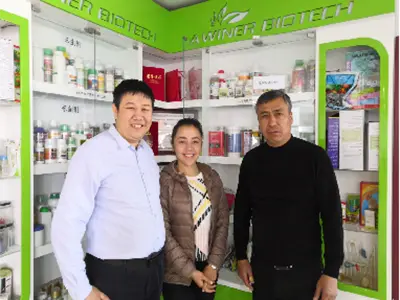
Awiner Biotech was founded in 2006, located in north of China - Shijiazhuang, Hebei Province. The city is close to our capital Beijing, transportation is convenient. Awiner Biotech is committed to research, produce and distribute agrochemicals, mainly deal with pesticides, herbicides, fungicides, plant growth regulator and public health pesticides.
Our strategic placement in the chemical manufacturing hub of Hebei provides direct access to high-purity chemical raw materials, continuous automated synthesis lines, and state-of-the-art laboratory testing facilities—ensuring every batch exceeds international standards.
Chinese agrochemical infrastructure controls over 70% of the world's active ingredient chemical intermediates. For cotton defoliants like Thidiazuron and Ethephon, direct control over synthesis precursor lines protects B2B buyers from global price volatility, ensuring stable landed cost structures and guaranteed supply continuous orders.
With deep expertise across international regulatory landscapes, our agricultural products are trusted by large importers, distributors, and government agricultural bodies worldwide.
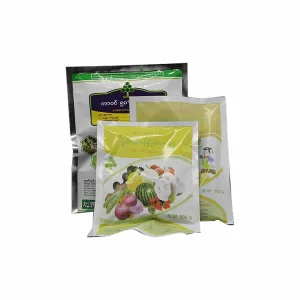
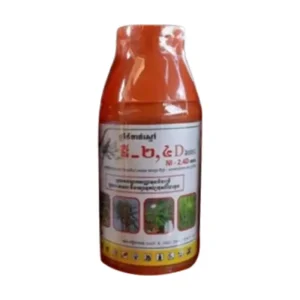
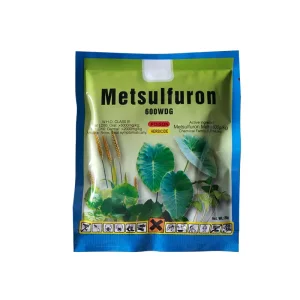
We provide full-spectrum B2B formulation services: SC, WP, WDG, EC, and SL. Advanced co-extrusion packaging lines allow customized HDPE, aluminum bottle, and water-soluble bag filling from 100mL to 200L drums, branded completely to local market distributor requirements.
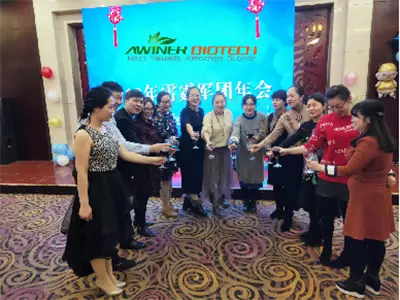
Our countries participating in the exhibition are Turkey, Iran, Pakistan, Nigeria, Russia, Cambodia, Malaysia, Uzbekistan, etc. We consistently maintain physical presence in key agricultural trade summits worldwide.
We go to the customer's country to conduct market inspections, analyze and solve agronomic problems for them, understand their product usage, and invite key international buyers to visit our high-capacity production bases in China.
Maximizing spray efficiency via modern application machinery while fulfilling rigorous international environmental standards.
Modern mega-farms in Xinjiang, Brazil, and Central Asia increasingly deploy agricultural drones for defoliant application. Drone operations require specialized ultra-low volume (ULV) formulations containing specialized anti-evaporants and anti-drift surfactants. Our specialized liquid SC defoliants resist droplet evaporation under high solar radiation and ensure uniform droplets (150–250 microns) for deep canopy penetration.
For dense, tall cotton crops prior to picking, tractor-mounted boom sprayers operating at high volume (200-300 L/ha) demand complete physical solubility. Our micro-emulsion and WDG products dissolve instantly without clogging fine nozzle screens (50-mesh or finer), guaranteeing even coverage across upper canopy leaves and lower fruit branches alike.
Navigating country-specific chemical registrations requires extensive toxicological and environmental data. We provide complete dossier support including Certificate of Analysis (COA), Material Safety Data Sheet (MSDS), GLP-compliant toxicological reports, FAO specification alignment, and ICAMA documentation for seamless customs clearance and local registration.
How digital agriculture and environmental mandates are transforming late-season crop management.
Uniform spraying of harvest aids across heterogeneous fields often leads to over-application in thin foliage zones and under-application in dense vegetative spots. Next-generation cotton farming utilizes Normalized Difference Vegetation Index (NDVI) satellite mapping and drone multispectral imaging to generate prescription maps. Spray drones equipped with real-time AI flow-control adjust dosage dynamically, reducing active ingredient consumption by up to 18% while optimizing overall leaf drop.
Global environmental regulatory frameworks (such as EU Green Deal and global MRL standard tightenings) are driving the phase-out of harsh aromatic solvents like Xylene. The industry shift toward solvent-free Water Dispersible Granules (WDG) and plant-oil-based Suspension Concentrates (SC) minimizes Volatile Organic Compound (VOC) emissions, improves worker safety, and enhances foliage retention via bio-based sticker-spreaders.
Expert guidance on procurement, dosage timing, tank mixing, and international shipping logistics.
 Awiner Biotech