Direct Factory Supply of Formulated Pesticides, Insecticides, Fungicides, and Herbicides for Controlled Environment Agriculture (CEA)
Strategic Insights for Agrochemical Wholesalers, Commercial Greenhouse Managers, and Distributors
The modern controlled environment agriculture (CEA) sector is experiencing unprecedented growth driven by urbanization, climate volatility, and the global imperative for sustainable food security. Modern commercial greenhouses—ranging from high-tech glass venlo structures to multi-span plastic tunnels—create localized microclimates that maximize crop yields. However, these identical high-humidity, temperature-controlled environments also serve as optimal incubators for aggressive pest proliferations and fungal pathogens. Navigating this challenge requires sophisticated chemical formulations, precise delivery systems, and direct partnerships with specialized **greenhouse pest control factories and wholesale suppliers**.
Strategic Economic Imperative: Crop losses due to unchecked greenhouse vector infestations (such as Frankliniella occidentalis, Bemisia tabaci, and Tetranychus urticae) can exceed 40% of total economic yield within 14 days of outbreak. Sourcing industrial-grade, scalable crop protection solutions directly from manufacturing factories minimizes sourcing friction, secures regulatory compliance, and ensures price stability against international market fluctuations.
The shift toward precision agriculture has fundamentally redefined wholesale procurement strategies. Today’s international buyers demand dynamic formulations that address multiple systemic factors:
Over-reliance on single-site active ingredients has triggered widespread insect and fungal resistance. Modern chemical factories focus on complex dual-action formulations—combining rapid knock-down pyrethroids with systemic neonicotinoids or chitin synthesis inhibitors to disrupt life cycles completely.
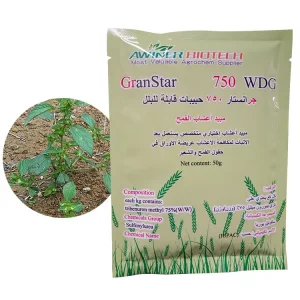
Advanced formulation technologies, such as Water-Dispersible Granules (WDG) and Capsule Suspensions (CS), minimize active ingredient degradation caused by high relative humidity and supplemental UV lighting systems inside modern greenhouses.
Global food supply chains demand stringent compliance with Maximum Residue Limits (MRLs). Wholesale chemical suppliers must provide precise pre-harvest interval (PHI) data and bio-degradable chemical matrixes suitable for high-value horticultural exports.
High-Capacity Chemical Synthesis and International Supply Chain Reliability
Detailed Specifications of Wholesale Active Ingredients for Greenhouse Pest & Pathogen Eradication
Greenhouse operations require distinct application protocols compared to broadacre farming. Closed environments demand strict control over chemical volatilization, target selectivity, and residual persistence. The technical matrix below outlines key chemical active ingredients, target pest spectrums, and optimal formulation types manufactured for bulk distribution.
| Active Ingredient / Formulation | Chemical Class | Primary Target Greenhouse Pests | Mechanism of Action (MOA) | Formulation Type & Stability |
|---|---|---|---|---|
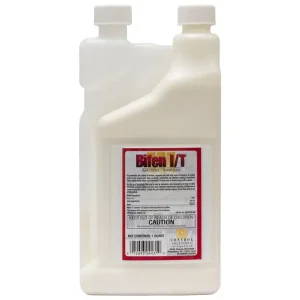
| Bifenthrin 97% TC / 40% SC | Synthetic Pyrethroid | Whiteflies, Mites, Aphids, Thrips | Sodium Channel Modulator; strong contact and stomach activity. | SC (Suspension Concentrate) - High thermal stability; non-phytotoxic to foliage. |
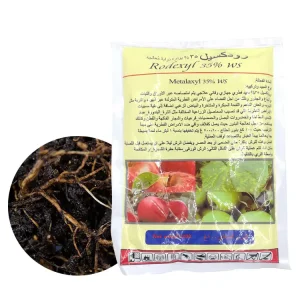
| Metalaxyl 35% WP | Phenylamide / Acylalanine | Damping-off (Pythium spp.), Downy Mildew, Phytophthora | RNA Polymerase I Inhibitor; systemic translocation upward through root systems. | WP (Wettable Powder) - Fine micronization ensures rapid dispersion in fertigation. |
| Azoxystrobin 250g/L SC | Strobilurin (QoI) | Powdery Mildew, Botrytis cinerea, Leaf Spot | Mitochondrial Respiration Inhibitor; translaminar and systemic transport. | SC - Excellent rainfastness and compatibility with drip irrigation systems. |
| Tebuconazole 50% + Trifloxystrobin 25% DF | Triazole + Strobilurin Combo | Rusts, Powdery Mildew, Early Blight | Dual-site inhibition: Ergosterol biosynthesis and electron transport chain. | DF (Dry Flowable) - Dust-free granule; superior handling safety for greenhouse workers. |
| Emamectin Benzoate 30% WDG | Avermectin derivative | Lepidopteran Larvae, Leafminers, Thrips | GABA-gated chloride channel activator; leads to rapid paralysis. | WDG (Water Dispersible Granule) - Micro-dose efficiency with extended residual control. |
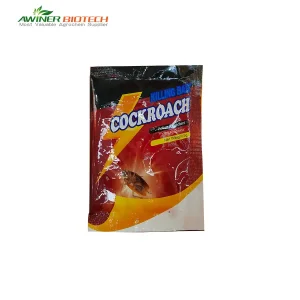
| Propoxur 20% EC | Carbamate | Nuisance Pests, Cockroaches, Ants, Flies | Acetylcholinesterase (AChE) inhibitor; rapid knockdown activity. | EC (Emulsifiable Concentrate) - Fast penetration for sanitation of perimeter zones. |
Strategic B2B Supply Services Designed for International Distributors and Large-Scale Farming Enterprises
We provide tailored active ingredient concentration adjustments, dynamic anti-foaming additions, and customized solvent packages to meet regional climate demands and targeted crop tolerances.
Full compliance with international maritime (IMDG) and air transport (IATA) regulations. We offer aluminum bottles, fluorinated HDPE drums, co-extruded bottles, and bulk IBC containers tailored for chemical integrity.
Navigating country-specific chemical registrations requires precise data. We provide complete FAO/WHO standard dossiers, Certificate of Analysis (COA), GLP toxicological data, and ICAMA documentation.
Innovations Driving the Next Era of Controlled Environment Agriculture Protection
Replacing traditional aromatic solvents (Xylene, Toluene) with eco-benign vegetable oil derivatives (EC to EW/ME transitions) to eliminate phytotoxicity risks on delicate greenhouse foliage under high thermal radiation.
Designing specialized physical viscosity modifiers for chemical solutions tailored for automatic thermal foggers and autonomous AI-driven robotic sprayers within smart glasshouses.
Incorporating nanocarrier systems for active ingredients to ensure zero leaching, controlled release responsive to canopy humidity microclimates, and ultra-targeted pest gene silencing.
Awiner Biotech: Industry Leadership in Agrochemical Manufacturing, R&D, and International Trade
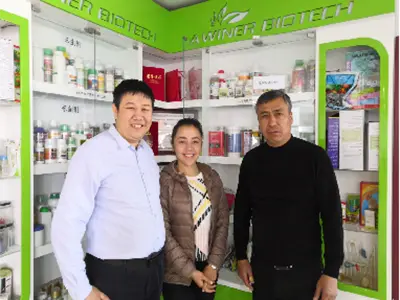
Founded in 2006, Awiner Biotech is strategically located in Shijiazhuang, Hebei Province, northern China—close to the national capital Beijing, with direct high-efficiency logistical connections to major international seaports such as Tianjin Port. Awiner Biotech is heavily committed to the advanced research, synthesis, formulation processing, and global export distribution of agricultural crop protection products.
Our core product portfolio encompasses broad-spectrum insecticides, specialized greenhouse herbicides, high-potency fungicides, plant growth regulators (PGRs), and public health pest management chemicals engineered to strict international quality standards.
Up to now, we have established long-term strategic commercial partnerships with leading agricultural enterprise buyers across: Iraq, Iran, Afghanistan, Pakistan, India, Libya, Syria, Turkey, Yemen, Ukraine, Russia, Kazakhstan, Uzbekistan, Chile, Bolivia, Mexico, Brazil, Paraguay, Nigeria, Djibouti, Rwanda, Somalia, Malaysia, Cambodia, Nepal, Myanmar, and many other agricultural regions.
We actively participate in key global chemical and agricultural summits to showcase cutting-edge formulations. Key exhibition regions include: Turkey, Iran, Pakistan, Nigeria, Russia, Cambodia, Malaysia, Uzbekistan, and more.
Our technical team travels directly to customer countries to conduct rigorous on-site market surveys. We analyze local soil dynamics, diagnose unique pest resistance patterns, resolve field application challenges, and provide face-to-face technical support while hosting partner delegations at our manufacturing sites.
Expert Answers on Sourcing Bulk Agrochemicals, Application Safety, and Regulatory Logistics
High-Performance Agrochemical Solutions for Soil Treatment, Foliar Spray, and Public Health Protection
 Awiner Biotech