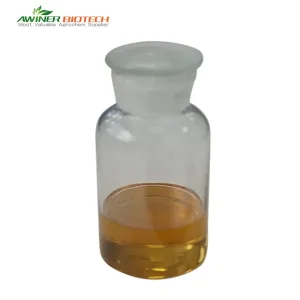
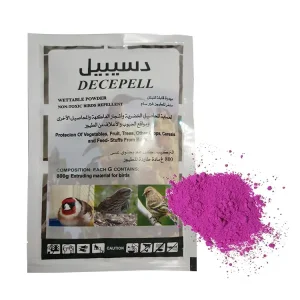
High-purity chemical formulations engineered for maximum efficacy, targeted biological activity, and multi-site resistance management.
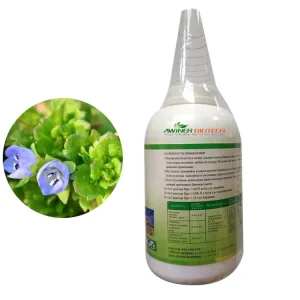
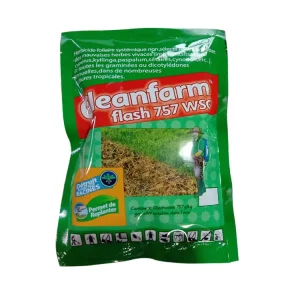
An technical B2B synthesis report on insect vector control, chemical mechanism optimization, and wholesale sourcing strategies for high-value export crops.
Thysanoptera, commonly designated as thrips, represent one of the most economically damaging orders of insect pests impacting contemporary commercial agriculture, horticulture, and floriculture worldwide. Species such as the Western Flower Thrips (Frankliniella occidentalis), Onion Thrips (Thrips tabaci), and Chilli Thrips (Scirtothrips dorsalis) inflict severe direct damage through their piercing-sucking mouthparts, rasping cellular tissue, extracting plant sap, and leaving silvered scarring, leaf bronzing, and fruit deformation. Beyond direct physical destruction, thrips serve as primary vector organisms for catastrophic phytopathogenic plant viruses, most notably the Tomato Spotted Wilt Virus (TSWV), Impatiens Necrotic Spot Virus (INSV), and Iris Yellow Spot Virus (IYSV), which can decimate up to 100% of yield in susceptible field crops and greenhouse production networks.
For chemical procurement directors, commercial farm managers, and regional agrochemical distributors, sourcing an effective wholesale insecticide for thrips requires a sophisticated understanding of pesticide chemistry, IRAC (Insecticide Resistance Action Committee) mode of action (MoA) classification, translaminar activity, and adjuvant compatibility. Due to the high fecundity, short generation cycles, and cryptic thigmotactic behaviors of thrips—frequently hiding deep within enclosed flower buds and leaf sheaths—conventional broad-spectrum contact sprays frequently fail to provide acceptable field control while accelerating metabolic and target-site resistance.
Key Industry Takeaway: Successful long-term thrips control in commercial agro-ecosystems requires alternating active ingredients across distinct IRAC MoA groups (e.g., combining Spinosyns, Diamides, and SC complex mixtures like Indoxacarb + Chlorfenapyr) supported by high-grade organosilicone penetrants to ensure deep foliage penetration and egg-to-adult mortality.
The global demand for wholesale insecticide formulations targeted at thrips is driven by distinct agricultural practices across major continental markets:
To prevent rapid resistance buildup, B2B chemical buyers must structure procurement around chemical groups featuring complementary modes of action. The matrix below outlines primary chemical classes utilized in modern commercial thrips management protocols:
| IRAC Group | Chemical Class / Active Ingredient | Primary Mode of Action | Key Commercial Advantages |
|---|---|---|---|
| Group 5 | Spinosyns (Spinetoram, Spinosad) | Nicotinic acetylcholine receptor (nAChR) allosteric modulators | Exceptional knockdown & ovicidal activity; high selectivity for thrips. |
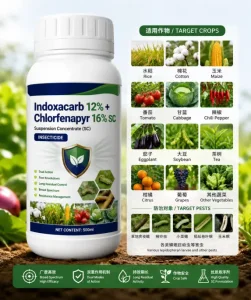
| Group 13 / 22 | Indoxacarb 12% + Chlorfenapyr 16% SC | Oxidative phosphorylation uncoupler & Voltage-gated sodium channel blocker | Dual-mode synergistic combination; overcomes single-agent metabolic resistance. |
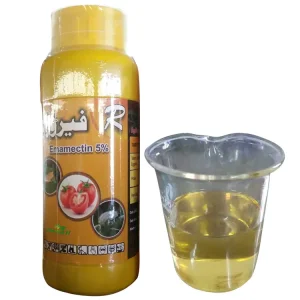
| Group 6 | Avermectins (Emamectin Benzoate 2% EC, Abamectin) | Glutamate-gated chloride channel (GluCl) allosteric modulators | Rapid translaminar movement into leaf tissue; highly effective at low dosages. |
| Group 4A / 4D | Neonicotinoids & Butenolides (Nitenpyram 50% SG, Acetamiprid) | Nicotinic acetylcholine receptor (nAChR) competitive modulators | Systemic vascular translocation; controls hidden thrips populations in growing tips. |
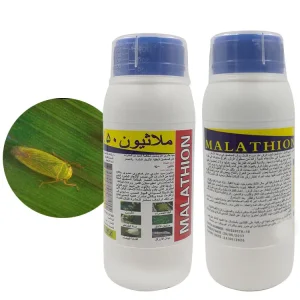
| Group 1B | Organophosphates (Malathion Technical) | Acetylcholinesterase (AChE) inhibitors | Broad-spectrum contact & vapor activity; cost-effective rotational partner. |
Standard single-active formulations often encounter resistance hurdles. Advanced chemical manufacturing now focuses on co-formulated SC, WDG, and EC mixtures that combine distinct biochemical pathways. For instance, combining Indoxacarb (12%) with Chlorfenapyr (16%) SC delivers immediate muscular paralysis followed by cellular energy collapse in thrips nymphs and adults. This dual-action approach prevents cross-resistance development and significantly extends field persistence.
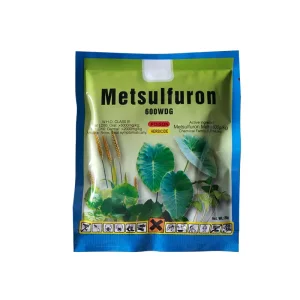
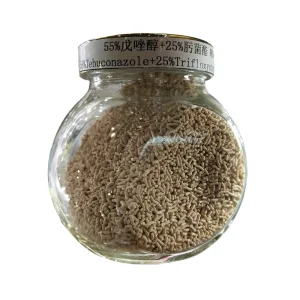
Furthermore, chemical physical properties such as particle size distribution in Suspension Concentrates (SC) are engineered below 2.5 microns to maximize surface coverage on waxy foliage. Water Dispersible Granules (WDG), such as Tribenuron-methyl 75% WDG and custom insecticide granules, feature dust-free handling, rapid disintegration within 30 seconds of aqueous dilution, and excellent physical suspension stability in large-capacity tractor spray booms and aerial application tanks.
Founded in 2006 in Shijiazhuang, Hebei Province, Awiner Biotech operates at the forefront of chemical formulation research, contract manufacturing, and international trade.
State-of-the-art production lines for Pesticides, Herbicides, Fungicides, Plant Growth Regulators (PGR), and Public Health Pesticides compliant with strict ISO standards.
Active export operations serving agricultural leaders across Iraq, Iran, Afghanistan, Pakistan, India, Libya, Syria, Turkey, Yemen, Ukraine, Russia, Kazakhstan, Uzbekistan, Chile, Bolivia, Mexico, Brazil, Paraguay, Nigeria, Djibouti, Rwanda, Somalia, Malaysia, Cambodia, Nepal, Myanmar, and beyond.
Complete regulatory support providing FAO/WHO spec analytical reports, Certificate of Analysis (COA), SDS safety sheets, and trial field performance documentation for regional registration.
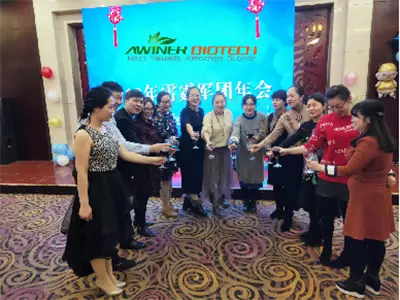
Awiner Biotech Global Distribution Infrastructure & Field Survey Logistics
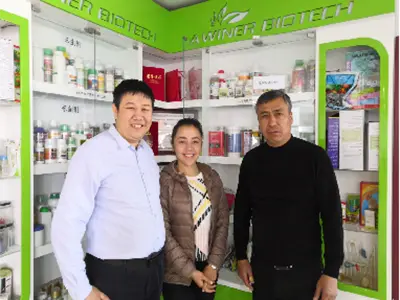
International Agro Exhibitions & Technical Consultations Across 35+ Nations
Ensuring seamless import clearance, regulatory safety, and customized packaging solutions for international agrochemical procurement.
All active ingredients and finished formulations meet or exceed strict FAO (Food and Agriculture Organization) and WHO specifications, guaranteeing chemical purity, low impurities, and batch-to-batch stability.
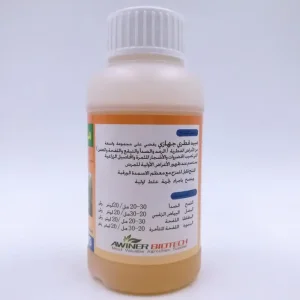
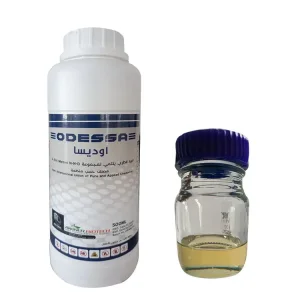
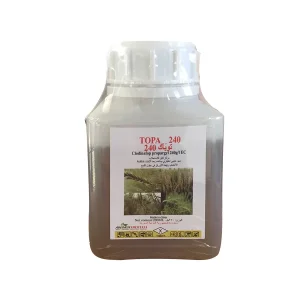
We provide tailored packaging formats ranging from 100mL - 1000L HDPE/Co-ex bottles, aluminum foil pouches, to 25kg fiber drums, complete with multi-lingual GHS-compliant labeling.
Our agronomists regularly visit partner countries across South Asia, the Middle East, Latin America, and Africa to conduct field trial assessments, troubleshoot crop efficacy issues, and refine product recommendations.
Expert answers to common B2B purchasing, application methodology, and formulation inquiries.
Thrips possess extremely short development cycles (10-14 days under optimal conditions) and high reproductive capacity, leading to rapid selection pressure under repeated chemical applications. To mitigate resistance, B2B buyers should stock products across diverse IRAC groups—such as alternating Spinosyns, SC complex formulations (Indoxacarb + Chlorfenapyr), and Organophosphates (Malathion)—ensuring growers rotate chemical families every 2 to 3 sprays.
Thrips naturally hide inside tight plant tissues, unopened floral structures, and lower leaf surfaces (thigmotactic behavior). Products with translaminar movement (like Emamectin Benzoate 2% EC) penetrate the upper leaf surface to form a lethal reservoir inside the parenchyma, killing feeding thrips beneath. Systemic formulations (like Nitenpyram 50% SG) travel through xylem tissue to protect emerging shoots.
Yes. Awiner Biotech specializes in customized OEM/ODM synthesis. We can modify active ingredient concentrations (e.g., tailor-made SC, WDG, or EC formulations), adjust surfactant package compositions for specific water hardness conditions, and customize bottle shapes and multi-language packaging to meet local market regulations.
We provide comprehensive technical registration packages including Certificate of Analysis (COA), FAO standard analytical specifications, SDS (Safety Data Sheets), chemical stability testing, toxicity reports, and field trial efficacy reports necessary for Ministry of Agriculture registration in LatAm, EMEA, and Asia-Pacific countries.
Explore our extended line of systemic insecticides, fungicides, pre-emergent herbicides, and specialized pest management solutions.
 Awiner Biotech