High-efficiency chemical formulations optimized for high-density mechanized cotton fields

Technological Shifts, Fiber Quality Metrics, and Agronomic Agrochemical Demands
The global cotton industry has undergone a monumental paradigm shift from labor-intensive manual harvesting to high-efficiency mechanical picking systems. Modern commercial cotton farming across major production belts—including Northwest China (Xinjiang), the US Cotton Belt, the Brazilian Cerrado, and Central Asian agricultural hubs—relies on #machinepickedcotton technology to maintain global supply chain competitiveness. Mechanical harvesters, such as high-capacity spindle pickers and stripper harvesters (e.g., John Deere 7760 / CP690 series), require specific crop physiological conditions to operate at peak efficiency. Achieving optimal fiber length, color grade, low trash content, and zero leaf stain demands precise chemical intervention throughout the crop lifecycle.
Unlike hand-picked cotton, where pickers selectively harvest fully open, mature bolls, machine pickers strip or spindle-extract entire plant canopies simultaneously. If green leaves, unopen immature bolls, or weed biomass remain present during mechanical harvest, the mechanical spindles crush green plant matter, staining the lint with chlorophyll and introducing high leaf-trash percentages. Chlorophyll staining permanently degrades fiber grading, reducing its commercial value on global commodity exchanges (such as ICE Cotton No. 2). Consequently, the global procurement of specialized defoliants, boll openers, early-season herbicides, and canopy-penetrating insecticides has become the operational backbone of modern cotton farming.
Synergistic tank mixes, defoliation kinetics, and pest abatement strategies
Machine-picked cotton requires rapid formation of an abscission layer in leaf petioles without killing the leaf tissue instantly (which causes leaf freezing or sticking). Formulations combining Thidiazuron (TDZ) + Diuron alongside ethylene-releasing agents like Ethephon ensure clean leaf drop, uniform boll opening, and reduced leaf trash.
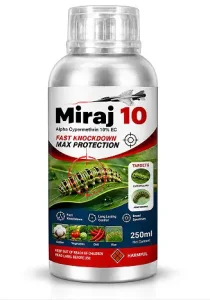
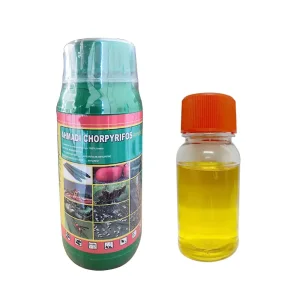
Dense cotton canopies harbor damaging pests such as Helicoverpa armigera (cotton bollworm), Aphis gossypii (cotton aphid), and Tetranychus urticae (spider mites). High-potency active ingredients like Alpha-cypermethrin (5% EC, 10% EC), Lambda-cyhalothrin + Chlorpyrifos + Acetamiprid, and Abamectin ensure rapid knock-down and systemic protection.
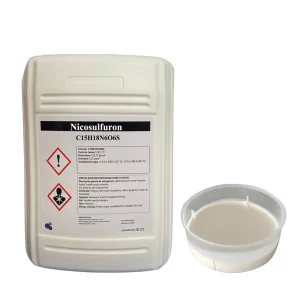
Weeds interfere with mechanical pickers by entangling harvesting spindles and contaminating cotton bales. Soil-applied residual herbicides like Pyroxasulfone (85% WDG, 40% SC) and post-emergence selective compounds like Dicamba + Nicosulfuron maintain zero-weed seedbeds through early canopy closure.
To maximize information gain for professional procurement managers and agronomists, the matrix below details key active ingredients and their functional applications in mechanized cotton fields:
| Active Ingredient / Formulation | Target Action / Pest Spectrum | Agronomic Function in Machine-Picked Cotton | Application Timing |
|---|---|---|---|
| Alpha-cypermethrin 5% EC / 10% EC | Bollworms, Loopers, Leafminers | Rapid knockdown of chewing insects; prevents boll damage and secondary fungal decay. | Vegetative to Early Squaring Phase |
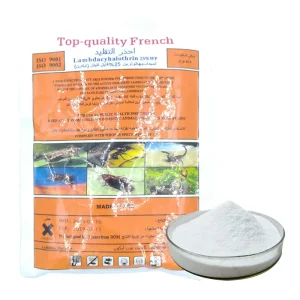
| Lambda-cyhalothrin + Chlorpyrifos + Acetamiprid | Aphids, Whiteflies, Thrips, Mites | Multi-mode action prevents honeydew accumulation on open bolls (sticky cotton prevention). | Mid to Late Canopy Formation |
| Pyroxasulfone 97% TC / 85% WDG | Broadleaf weeds & Annual Grasses | Pre-emergence soil barrier; prevents weed entanglement in harvester spindles. | Pre-planting / Early Pre-emergence |
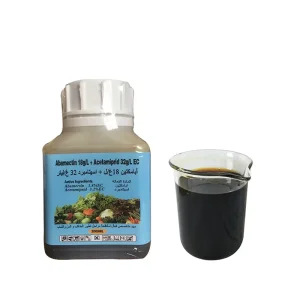
| Acetamiprid 3.2% + Abamectin 1.8% EC | Spider Mites, Piercing-Sucking Insects | Translaminar leaf penetration controls hidden mites on lower canopy undersides. | Peak Flowering / Peak Boll Filling |
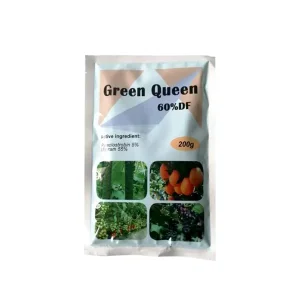
| Pyraclostrobin 5% + Metiram 55% WDG | Fungal Leaf Spot, Rhizoctonia, Alternaria | Fungicidal protection maintains active photosynthesis until planned chemical defoliation. | Mid-Season Canopy Preservation |
China's chemical synthesis and formulation manufacturing sector represents the world's most consolidated and cost-efficient supply chain for industrial agricultural inputs. Operating from key manufacturing hubs in Northern China—such as Shijiazhuang, Hebei Province—advanced automated factories deliver massive economy-of-scale advantages for international wholesale purchasers.
Customizing chemical applications for diverse agro-climatic conditions and machinery setups
Climatic Conditions: Arid, continental climate with sharp autumnal temperature drops.
Agrochemical Strategy: High-dosage ethylene-releasing formulations combined with temperature-tolerant defoliants. Protection against late-season bollworms using Alpha-cypermethrin 10% EC ensures clean, rapid mechanical harvest prior to early rains.
Climatic Conditions: Extreme heat, high solar radiation, variable irrigation control.
Agrochemical Strategy: Broad-spectrum pest control against whiteflies and aphids to prevent honeydew contamination. Applications of Lambda-cyhalothrin + Chlorpyrifos + Acetamiprid EC ensure clean lint without sticky sugars that clog picker heads.
Climatic Conditions: Tropical, high humidity, multi-cropping systems (Safrinha).
Agrochemical Strategy: Intensive resistance management requiring rotating chemical modes of action. High volume application of Pyraclostrobin + Metiram WDG to prevent leaf spot defoliation prior to planned harvest aid applications.
Awiner Biotech — Pioneering Research, Manufacturing, and Global Agrochemical Distribution
Awiner Biotech was founded in 2006, located in north of China-Shijiazhuang, Hebei Province. The city is close to our capital Beijing, transportation is convenient. Awiner Biotech is committed to research, produce and distribute agrochemicals, mainly dealing with pesticides, herbicides, fungicides, plant growth regulators, and public health pesticides.
Our focus on precision formulation and international compliance makes us a premier industrial partner for large-scale agricultural operations, distributors, and government procurement tenders worldwide.
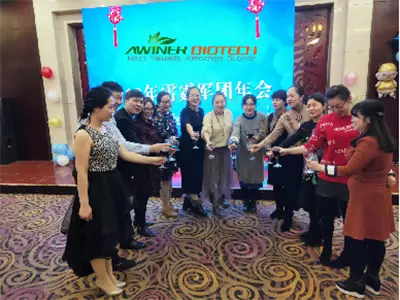
Up to now, we have won customers from Iraq, Iran, Afghanistan, Pakistan, India, Libya, Syria, Turkey, Yemen, Ukraine, Russia, Kazakhstan, Uzbekistan, Chile, Bolivia, Mexico, Brazil, Paraguay, Nigeria, Djibouti, Rwanda, Somalia, Malaysia, Cambodia, Nepal, Myanmar, and so on.
Our countries participating in international agrochemical exhibitions include Turkey, Iran, Pakistan, Nigeria, Russia, Cambodia, Malaysia, Uzbekistan, and more. We consistently showcase our latest high-efficiency formulation solutions to international partners.
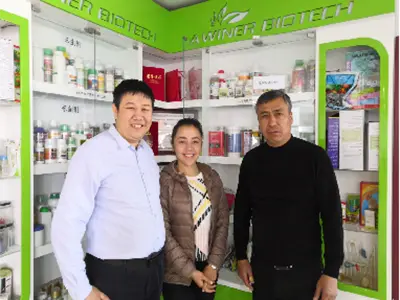
We actively travel to our customers' countries to conduct deep-dive market inspections, analyze regional pest challenges, solve agronomic problems directly in the field, evaluate product performance under local soil/climate conditions, and regularly host client delegations at our manufacturing center.
Key information for commercial buyers, agronomists, and wholesale distributors
Comprehensive agrochemical catalogue for integrated cotton crop management
 Awiner Biotech