Premium agricultural insecticides engineered for rapid xylem and phloem translocation, targeting resistant piercing-sucking insect complexes worldwide.
A B2B Analysis of Physiological Translocation, Receptor Binding Affinity, and Resistance Management Strategies in Modern Crop Protection
Piercing-sucking insects (Hemiptera and Thysanoptera) feed primarily on phloem sap or parenchymal cells deep within plant tissues. Conventional contact insecticides often fail to achieve lethal concentrations due to dense canopy foliage or protective leaf sheaths. Modern systemic active ingredients utilize acropetal (upward through xylem) and basipetal (downward through phloem) movement.
By evaluating the octanol-water partition coefficient (log Kow between 0.5 and 2.5), formulations achieve optimal membrane permeability. This guarantees rapid vascular uptake via root system drenching, seed coating, or foliar penetration, distributing lethal concentrations directly to feeding sites of aphids, whiteflies (Bemisia tabaci), and brown planthoppers (Nilaparvata lugens).
Overcoming insecticide resistance requires precise rotation across distinct IRAC (Insecticide Resistance Action Committee) mode of action groups:
Comprehensive physicochemical profiling and crop safety indicators for commercial agricultural distributors and formulators.
| Active Ingredient / Combination | IRAC Code | Physicochemical Mobility | Target Sucking Pests | Key Agronomic Advantages |
|---|---|---|---|---|
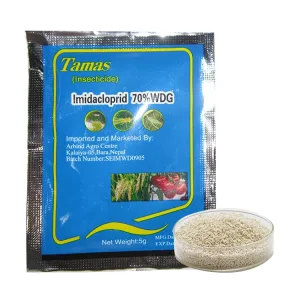
| Imidacloprid 75% WDG | Group 4A | High Acropetal Xylem Mobility | Aphids, Whiteflies, Leafhoppers, Thrips | Long residual effect, excellent root uptake performance in drip irrigation systems. |
| Dinotefuran 20% + Pymetrozine 50% WDG | Group 4A + Group 9B | Dual Xylem & Phloem Translocation | Resistant Planthoppers, Whiteflies, Psylla | Synergistic dual-site action; immediate cessation of feeding halts viral transmission (e.g., Rice Ragged Stunt Virus). |
| Thiamethoxam 141 g/l + Lambda-Cyhalothrin 106 g/l | Group 4A + Group 3A | Systemic + Contact Knockdown | Complex Piercing-Sucking & Chewing Insects | Combines rapid knockdown action with prolonged systemic root and foliar absorption. |
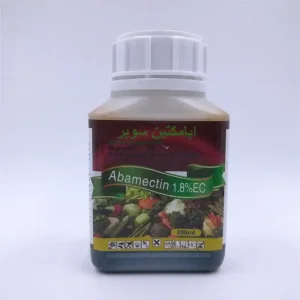
| Abamectin 1.8% / 5% EC | Group 6 | Translaminar Movement | Two-Spotted Spider Mites, Rust Mites, Leafminers | Penetrates leaf cuticle creating a leaf reservoir for continuous protection against mites and miners. |
| Cyromazine 2% WDG | Group 17 | Systemic Insect Growth Regulator | Dipterous Leafminers, Public Health Larvae | Disrupts cuticle formation during larval molting with zero impact on adult beneficial predators. |
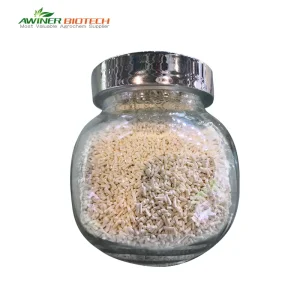
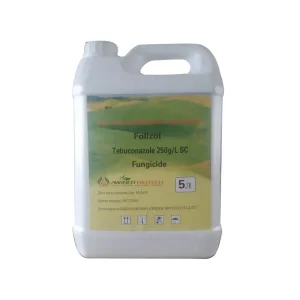
In wholesale supply, formulation stability directly governs field efficacy and shelf life under extreme storage conditions (FAO standard MT 46.3). Awiner Biotech's Fluid-Bed Water Dispersible Granule (WDG) technology utilizes eco-friendly lignin sulfonate dispersants, ensuring 100% disintegration within 60 seconds in water hardness up to 342 ppm. Liquid formulations (EC, SC, FS) employ specialized emulsifier packages that optimize droplet retention, reduce leaf rebound, and enhance cuticle micro-penetration without causing phytotoxicity during high-temperature crop stress windows.
Addressing global agricultural challenges through automated manufacturing, stringent QC protocols, and supply chain resilience.
Our Hebei manufacturing complex operates fully automated DCS-controlled synth units and high-speed multi-stage fluid-bed granulation lines. This ensures minimal batch-to-batch variation, low dust index (<0.1%), and uniform active ingredient dispersion across millions of hectares.
Every commercial lot undergoes rigorous testing via High-Performance Liquid Chromatography (HPLC) and Gas Chromatography-Mass Spectrometry (GC-MS). We issue certified Certificates of Analysis (COA) matching FAO/WHO standards, ensuring zero illegal active residues and compliance with strict import regulations.
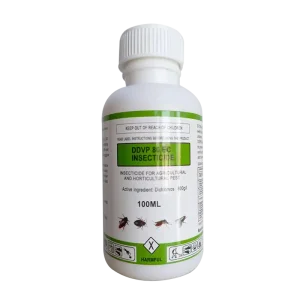
From 100ml high-barrier HDPE bottles with anti-counterfeit induction foil seals to 1000L IBC totes for bulk distribution, our packaging lines feature automated filling and nitrogen flushing to preserve emulsifier integrity over a 2-year shelf life under tropical humidity.
Targeted agronomic strategies engineered for diverse climatic zones, crop physiology, and localized pest complexes.
Primary Crops: Citrus, Tomatoes, Cotton, Dates.
Target Pests: Whiteflies (Bemisia tabaci strain B/Q), Red Palm Weevil, Aphids.
Recommended Strategy: Soil drench application using Imidacloprid 75% WDG during early root growth stages to establish systemic barrier, followed by rotational foliar sprays of Dinotefuran + Pymetrozine during peak thermal stress windows.
Primary Crops: Wheat, Barley, Sugar Beets, Sunflowers.
Target Pests: Eurygaster integriceps (Sunn Pest), Cereal Aphids, Flea Beetles.
Recommended Strategy: Seed treatment with Thiamethoxam formulations followed by early spring foliar applications of combined systemic pyrethroid mixtures for broad-spectrum protection against early instar larvae and adults.
Primary Crops: Soybeans, Corn, Coffee, Solanaceous Vegetables.
Target Pests: Whiteflies, Stink Bugs (Euschistus heros), Mites, Tuta Absoluta.
Recommended Strategy: Integrated tank mixes incorporating Abamectin 1.8% EC with systemic growth regulators to break multi-generational mite and moth lifecycles while safeguarding beneficial predatory mites.
Technical, regulatory, and supply chain insights curated by our senior crop protection experts.
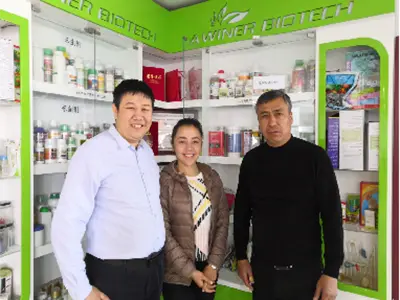
Awiner Biotech was founded in 2006, located in north of China-Shijiazhuang, Hebei Province. The city is close to our capital Beijing, transportation is convenient. Awiner Biotech is committed to research, produce and distribute agrochemicals, mainly dealing with pesticides, herbicides, fungicides, plant growth regulator and public health pesticides.
Our Global Market Reach: Up to now, we have won long-term trusted customers from Iraq, Iran, Afghanistan, Pakistan, India, Libya, Syria, Turkey, Yemen, Ukraine, Russia, Kazakhstan, Uzbekistan, Chile, Bolivia, Mexico, Brazil, Paraguay, Nigeria, Djibouti, Rwanda, Somalia, Malaysia, Cambodia, Nepal, Myanmar and beyond.
Exhibitions & Field Surveys: We regularly participate in international agrochemical exhibitions across Turkey, Iran, Pakistan, Nigeria, Russia, Cambodia, Malaysia, Uzbekistan, and conduct localized market surveys to analyze field performance, solve technical challenges, and ensure maximum crop yields for our partners.
Explore our extensive portfolio of technical grade insecticides, fungicides, plant growth regulators, and public health formulations available for global export.
 Awiner Biotech