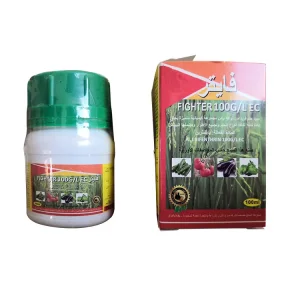
High-grade technical concentrate (TC) and formulated solutions directly from our chemical manufacturing facility.
Thrips (order Thysanoptera), specifically economic species such as Western Flower Thrips (Frankliniella occidentalis), Onion Thrips (Thrips tabaci), and Melon Thrips (Thrips palmi), represent one of the most persistent and costly entomological challenges to modern commercial agriculture. Responsible for billions of dollars in annual yield loss globally, their microscopic stature, rapid generational cycles, high fecundity, and cryptic feeding habits render traditional pest control strategies increasingly obsolete.
Over-reliance on single-site systemic neurotoxins has driven widespread insecticide resistance. Modern commercial success requires sourcing multi-modal chemical matrices, biological rationally targeted active ingredients (AIs), and advanced adjuvant-integrated formulations directly from specialized synthesis factories.
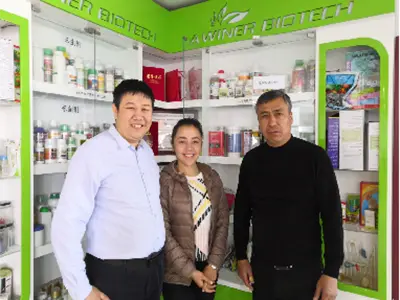
Up to now, we have won trusted customers across more than 30 countries: Iraq, Iran, Afghanistan, Pakistan, India, Libya, Syria, Turkey, Yemen, Ukraine, Russia, Kazakhstan, Uzbekistan, Chile, Bolivia, Mexico, Brazil, Paraguay, Nigeria, Djibouti, Rwanda, Somalia, Malaysia, Cambodia, Nepal, Myanmar and beyond.
We regularly present our synthesis breakthroughs and new crop protection products at major international agrochemical expos globally, including exhibitions in Turkey, Iran, Pakistan, Nigeria, Russia, Cambodia, Malaysia, Uzbekistan, and more.
Our agronomic engineering teams conduct on-site market inspections in client countries. We analyze local pest resistance, monitor field usage conditions, resolve formulation issues, and host client delegations at our manufacturing complex.
To prevent the development of target-site metabolic resistance in thrips populations, agrochemical supply chains must deploy rotation strategies based on the Insecticide Resistance Action Committee (IRAC) system. Awiner Biotech synthesizes active ingredients across diverse chemical classes to empower balanced Integrated Pest Management (IPM) protocols.
| IRAC Group | Chemical Class / Active Ingredient | Primary Mode of Action (MoA) | Translaminar / Systemic Activity | Target Thrips Stage |
|---|---|---|---|---|
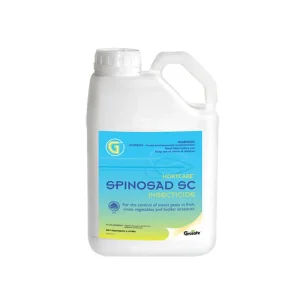
| Group 5 | Spinosyns (Spinosad) | Allosteric activation of nicotinic acetylcholine receptors (nAChR) | High Translaminar Movement | Larvae & Adults |
| Group 28 | Anthranilic Diamides (Cyantraniliprole) | Ryanodine receptor modulators (Muscle contraction failure) | Systemic Xylem-Mobile | Nymphs & Feeding Adults |
| Group 4A | Neonicotinoids (Acetamiprid) | Competitive modulators of nicotinic acetylcholine receptors | Systemic & Contact | Early Instars & Adults |
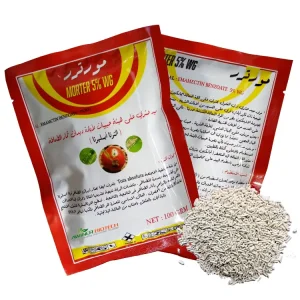
| Group 6 | Avermectins (Abamectin, Emamectin Benzoate) | Glutamate-gated chloride channel (GluCl) allosteric modulators | Translaminar Foliar Reservoir | Active Feeding Larvae |
| Group 3A | Pyrethroids (Bifenthrin) | Sodium channel modulators (Rapid knock-down effect) | Contact & Repellent | Adult Migration Prevention |
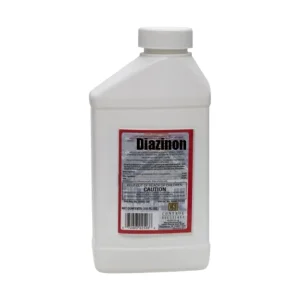
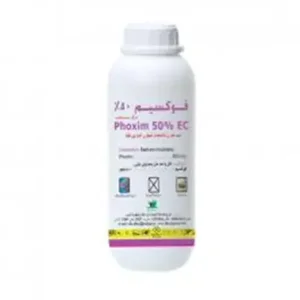
| Group 1B / 1A | Organophosphates (Diazinon, Phoxim) | Acetylcholinesterase (AChE) inhibitors | Contact, Vapor & Stomach | Soil-dwelling Pupae & Foliar Adults |
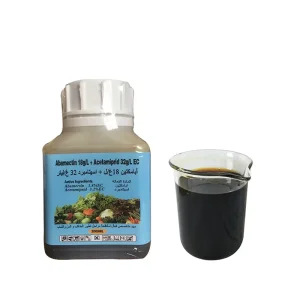
Single-molecule chemical intervention frequently encounters resistance driven by elevated cytochrome P450 monooxygenase activities or target-site gene mutations. Awiner Biotech's R&D team has engineered stabilized co-formulations—such as Acetamiprid 3.2% + Abamectin 1.8% EC—combining high translaminar systemic action with nerve-paralyzing chloride channel modulation. This dual-action approach prevents survivors from laying viable eggs while neutralizing both leaf-surface and inner-tissue populations simultaneously.
Crops: Tomatoes, Bell Peppers, Cucumbers, Cut Flowers (Roses, Chrysanthemums).
Vector Threat: Western Flower Thrips (TSWV Transmission).
Recommended Solution: Spinosad (Organic/Bio-rational) alternated with Cyantraniliprole SC.
Execution Strategy: Apply early morning when stomata are open. Ensure droplet size is calibrated to 150–200 microns via specialized hydraulic nozzles to penetrate flower buds where thrips hide.
Crops: Cotton, Onions, Garlic, Brassica (Cabbage), Strawberries, Citrus.
Vector Threat: Onion Thrips & Thrips palmi.
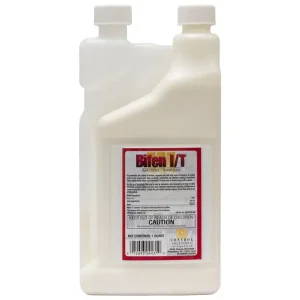
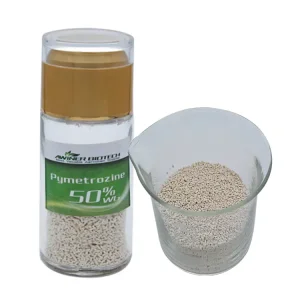
Recommended Solution: Bifenthrin 10% EC, Emamectin Benzoate 5 WDG, Pymetrozine 50% WDG.
Execution Strategy: Utilize organosilicone tank-mix adjuvants to reduce surface tension of the spray liquid below 22 mN/m, enabling rapid liquid dispersion into leaf sheaths and tight cabbage heads.
| Target Crop Scenario | Primary Active Ingredient | Formulation Type | Recommended Dilution / Dosage | Pre-Harvest Interval (PHI) |
|---|---|---|---|---|
| Protected Solanaceae (Tomato/Pepper) | Cyantraniliprole | 100 g/L SC | 400 - 600 mL / Hectare | 1 Day |
| Commercial Allium Production (Onion) | Abamectin + Acetamiprid | 5.0% EC | 1000 - 1500x Dilution | 7 Days |
| Export Floriculture (Roses, Carnations) | Spinosad | 480 g/L SC | 0.2 - 0.3 mL / Liter Water | N/A (Ornamental) |
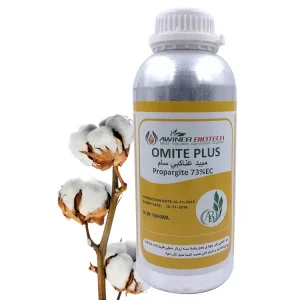
| Field Brassica (Cabbage / Broccoli) | Propargite / Bifenthrin Co-pack | EC / SC | 800 - 1000 mL / Hectare | 14 Days |
| Soil-dwelling Thrips Pupae Control | Metalaxyl / Fipronil | 5% GR / 0.5% GR | 15 - 20 kg / Hectare (Soil Incorporation) | 21 Days |
At Awiner Biotech, product efficacy begins in the laboratory. Our ISO 9001 and ISO 14001 certified plant employs high-performance liquid chromatography (HPLC), gas chromatography-mass spectrometry (GC-MS), and laser particle size analysis to guarantee batch-to-batch stability, correct active concentration, and zero cross-contamination.
We manufacture clean, eco-friendly formulations including Water Dispersible Granules (WDG), Suspension Concentrates (SC), Emulsifiable Concentrates (EC), and Granules (GR) designed to minimize solvent emissions while maximizing active shelf life (up to 24 months in tropical storage conditions).
We empower our international partners by providing comprehensive registration dossiers: Certificates of Analysis (COA), Material Safety Data Sheets (MSDS), FAO Standard Technical Reports, 5-batch analysis reports, and ICAMA documentation necessary for seamless local ministry approvals.
From 10 mL high-barrier ampoules to 1000 L IBC totes, we provide tailored bulk packaging and co-branded labeling in multiple languages (Arabic, Russian, Spanish, English, French) to suit regional retail and commercial farming channels.
As environmental standards evolve globally and strict maximum residue limits (MRLs) are enforced by major importing blocs (EU, US, Japan), Awiner Biotech's chemical R&D pipeline is actively pioneering sustainable formulations.
Polymer microencapsulation shields volatilizing active ingredients from UV degradation, releasing controlled micro-dosages over an extended 21-day period. This reduces application frequency while mitigating worker exposure risks.
Investigating biopesticide-synthetic hybrids that combine botanical extracts with low-dose active AIs to preserve beneficial predatory mites (e.g., Amblyseius swirskii) while maintaining 95%+ control rates of target thrips.
Full-spectrum crop protection products for wholesale bulk ordering and custom formulation.
 Awiner Biotech