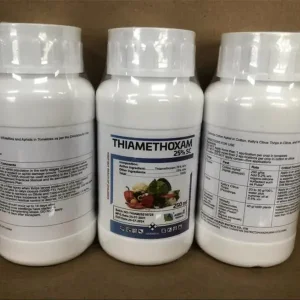
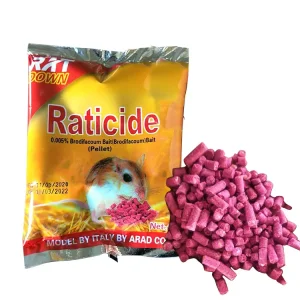
High-Efficiency Crop Protection & Public Health Solutions Sourced from China
Understanding the molecular efficacy of synthetic pyrethroids in modern plant protection
Alpha-cypermethrin (CAS No. 67375-30-8) is a highly active, non-systemic synthetic pyrethroid insecticide composed of two enantiomeric pairs comprising the (1R-cis)-S and (1S-cis)-R isomers of cypermethrin. Renowned for its rapid knockdown effect and long-lasting residual toxicity, Alpha-cypermethrin has become a cornerstone active ingredient in global agricultural crop protection, vector control, and structural pest management.
Alpha-cypermethrin acts directly on the voltage-gated sodium channels within insect nerve membranes. By preventing the closure of these channels, it induces continuous nerve impulse transmission, leading to immediate paralysis, rapid knockdown, and eventual pest mortality.
The compound exhibits high contact toxicity alongside powerful stomach action. Target pests coming into direct physical contact with spray droplets or consuming treated plant foliage experience rapid behavioral disruption within minutes of exposure.
Beyond direct lethality, sublethal doses of Alpha-cypermethrin exhibit strong repellent and anti-feeding effects. Insects are deterred from laying eggs (oviposition inhibition) or feeding on protected crops, drastically minimizing vector-borne crop viral damage.
Standard Parameters for Quality Control & International Sourcing
| Parameter | Technical Grade (97% TC) Specifications | Formulation Standard (10% EC / 100g/L SC) |
|---|---|---|
| Chemical IUPAC Name | (1R-cis)-S and (1S-cis)-R enantiomeric pair of cypermethrin | Emulsifiable Concentrate / Suspension Concentrate |
| CAS Registry Number | 67375-30-8 | Formulated Product Mixture |
| Active Ingredient Content | ≥ 970 g/kg (97.0% Min) | 100 g/L EC, 50 g/L SC, 10% WP, 5% ULV |
| Appearance | White to off-white crystalline powder / crystal flakes | Clear homogeneous liquid (EC) / Stable suspension (SC) |
| Water Content / Moisture | ≤ 0.2% Max | ≤ 0.5% (Formulation Specific) |
| Acidity / Alkalinity (as H2SO4) | ≤ 0.1% Max | pH Range: 4.0 - 7.5 |
| Thermal & Storage Stability | Stable up to 220°C; stable under acidic & neutral media | Passes FAO standard 14-day accelerated storage at 54°C |
Compared to standard isomer cypermethrin, Alpha-cypermethrin requires up to 50% less active substance per hectare to achieve equivalent pest knockdown, significantly reducing environmental chemical load, transport volume, and overall application costs for large-scale agricultural enterprises.
From agricultural crop protection to WHO-compliant public health vectors
Alpha-cypermethrin is extensively registered for crop protection against chewing, piercing, and sucking pests across vital agricultural sectors:
Recommended by international health authorities for vector-borne disease mitigation:
Utilized in livestock protection and commercial building sanitation:
Supply chain resilience, technical synthesis scale, and rigorous quality assurance
China accounts for over 70% of global active pharmaceutical and agrochemical intermediate production. The synthesis of Alpha-Cypermethrin relies on key precursors such as meta-phenoxybenzaldehyde (MPBD) and cis-cypermethrinic acid chloride. Chinese chemical parks possess full vertical integration, securing stable raw material supply, reducing price volatility, and delivering unrivaled economies of scale.
Furthermore, modern Chinese chemical manufacturers operate under stringent EHS (Environmental, Health, and Safety) frameworks, employing advanced automated isomer-separation reactors that guarantee consistent chemical purity exceeding 97% TC standards.
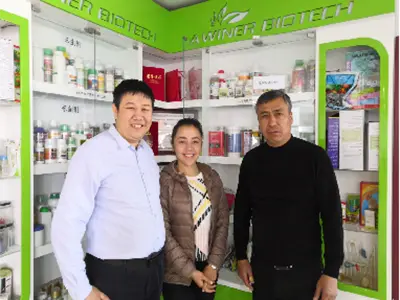
Tailored crop protection products suited for diverse climate conditions
Classic solvent-based formulations (e.g., Alpha-cypermethrin 10% EC, 5% EC) engineered with high-grade surfactants for rapid emulsification in hard water and enhanced leaf cuticle penetration.
Water-based, eco-friendly formulations (e.g., 100g/L SC). Zero organic solvents reduce phytotoxicity risk, lower VOC emissions, and improve safety during handling and spraying.
Solid formulations (10% WP, 5% WDG) offering excellent storage stability in hot tropical climates, long shelf-life, and easy dilution without clogging spray nozzles.
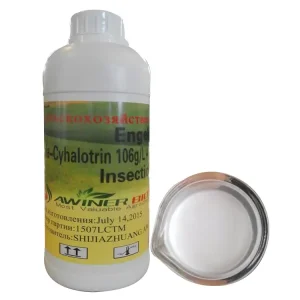
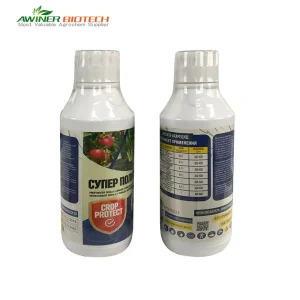
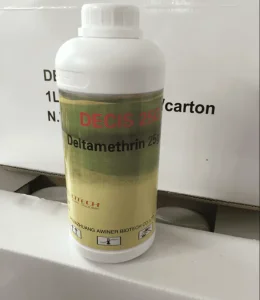
We supply diverse retail and bulk packaging options tailored to regional requirements: from 50ml, 100ml, 250ml, 1L HDPE/COEX bottles to 200L steel drums. Full GLP toxicology reports, ICAMA registration dossiers, and FAO compliance certificates are provided to smooth local registration procedures in your market.
Maximizing field efficacy while ensuring environmental safety
Continuous over-application of synthetic pyrethroids can accelerate resistance development in target species via metabolic detoxifying enzymes or knockdown resistance (kdr) mutations. To maintain high field performance:
Addressing commercial buyer intent, technical queries, and compliance standards
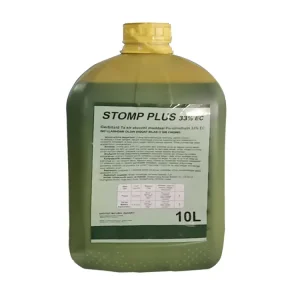
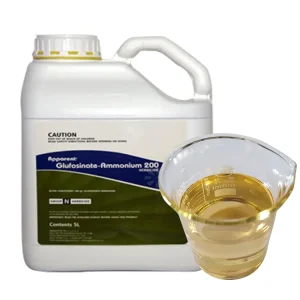
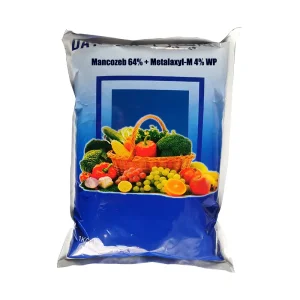
Complementary Herbicides, Fungicides, and Public Health Products
Pioneering crop protection and public health agrochemical solutions since 2006
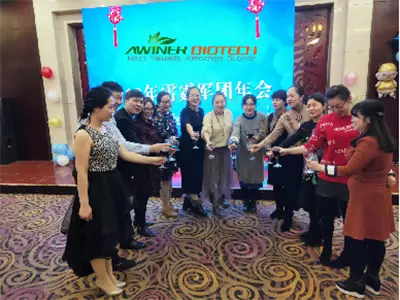
Awiner Biotech was founded in 2006, located in northern China—Shijiazhuang, Hebei Province. Positioned close to China's capital city, Beijing, transportation and export logistics via Tianjin Port are exceptionally convenient. Awiner Biotech is dedicated to research, production, synthesis, and global distribution of advanced agrochemicals.
We deal comprehensively in high-potency insecticides, herbicides, fungicides, plant growth regulators, and public health pesticides, serving agricultural distributors and municipal procurement agencies across five continents.
Up to now, we have established trusted long-term partnerships and won customers across the globe, including: Iraq, Iran, Afghanistan, Pakistan, India, Libya, Syria, Turkey, Yemen, Ukraine, Russia, Kazakhstan, Uzbekistan, Chile, Bolivia, Mexico, Brazil, Paraguay, Nigeria, Djibouti, Rwanda, Somalia, Malaysia, Cambodia, Nepal, Myanmar, and beyond.
Our teams regularly conduct international field visits, market inspections, and participate in major agrochemical exhibitions in Turkey, Iran, Pakistan, Nigeria, Russia, Cambodia, Malaysia, and Uzbekistan to analyze local pest pressure and tailor precise formulation solutions.
 Awiner Biotech