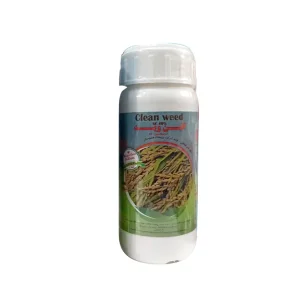
Direct factory supply of high-purity formulations, systemic herbicides, fungicides, and plant growth regulators tailored for global commercial agricultural operations.
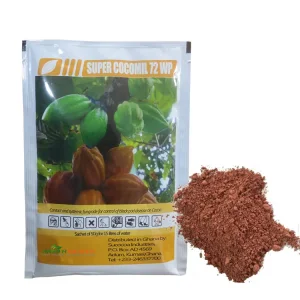
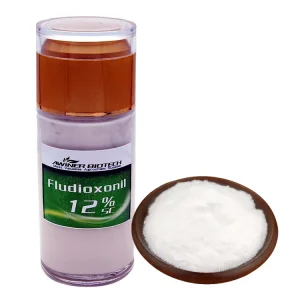
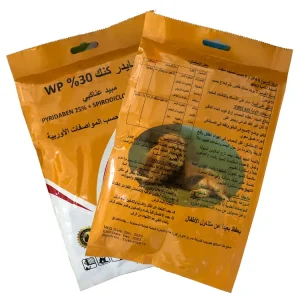
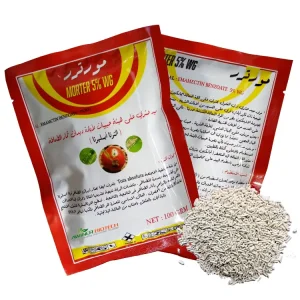
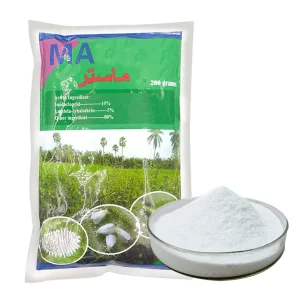
Analysis of global weed stress on maize (*Zea mays L.*), yield loss economics, and China's strategic role in providing cost-effective, high-efficacy weed control active ingredients.
Maize (corn) is one of the world's most critical staple crops, driving global food security, livestock feed supplies, bioenergy production, and industrial starch manufacturing. However, commercial corn cultivation faces relentless pressure from aggressive weed infestations. Weeds compete vigorously with emerging corn seedlings for essential solar radiation, soil moisture, nitrogen, phosphorus, and trace micro-nutrients. Uncontrolled weed growth during the early critical weed-free period (typically V2 to V8 vegetative growth stages) can cause yield losses ranging from 35% to over 70%, depending on the weed species density and environmental stress.
To mitigate these severe economic losses, agricultural procurement teams, distributor networks, and large-scale farming enterprises increasingly rely on specialized China corn weed control herbicide quotes & supplier solutions. Chinese agrochemical manufacturers have evolved into global powerhouses, combining sophisticated chemical synthesis pathways, strict quality assurance protocols, and unprecedented economies of scale to deliver premier herbicide active ingredients (AIs) and complex multi-way formulated products.
Formulations like Pendimethalin, Acetochlor, Isoxaflutole, and S-metolachlor form robust soil residual barriers, suppressing broadleaf and grassy weeds prior to germination without injuring germinating corn seed kernels.
Combines systemic HPPD inhibitors (Mesotrione, Topramezone) and ALS inhibitors (Nicosulfuron) to eliminate tough perennial and annual weeds like *Echinochloa crus-galli* and *Amaranthus retroflexus* directly on crop foliage.
Integration of crop safeners (such as Benoxacor or Isoxadifen-ethyl) ensures rapid metabolic detoxification in maize tissues, avoiding phytotoxicity while tackling ALS- or triazine-resistant weed biotypes.
In-depth technical analysis of active ingredient classes, biochemical mechanisms, and advanced formulation physics deployed in modern corn weed control.
Achieving total weed control in corn monoculture or crop rotation systems requires a deep understanding of herbicide Mode of Action (MoA) chemistry. Modern weed management strategies avoid reliance on single active ingredients, which rapidly leads to selected resistant biotypes. Instead, advanced multi-mechanism tank-mixes and co-formulated products dominate professional agriculture.
| Active Ingredient (AI) | Chemical Family & MoA Class | Target Weed Spectrum | Primary Application Stage | Agronomic Synergy & Features |
|---|---|---|---|---|
| Nicosulfuron | Sulfonylurea (ALS / AHAS Inhibitor) | Annual & Perennial Grasses, Broadleaf weeds | Post-Emergence (V2 - V6) | Rapid systemic absorption; halts cell division; high selectivity in field corn. |
| Mesotrione | Triketone (HPPD Inhibitor) | Major broadleaf weeds, Pigweed, Velvetleaf | Pre- & Early Post-Emergence | Blocks carotenoid biosynthesis causing foliar bleaching; ideal partner with Atrazine. |
| Atrazine / Terbuthylazine | 1,3,5-Triazine (Photosystem II Inhibitor) | Broadleaf weeds & selected annual grasses | Pre-Emergence & Early Post | Classic residual partner; enhances HPPD activity via synergistic electron transport disruption. |
| Pendimethalin | Dinitroaniline (Microtubule Assembly Inhibitor) | Annual Grasses & small-seeded broadleafs | Pre-Emergence / Pre-Plant | Long residual soil film; zero root uptake safety when incorporated properly. |
| Topramezone | Pyrazole (HPPD Inhibitor) | Resistant Grasses & key broadleaf species | Post-Emergence | Ultra-low use rates; excellent crop safety; broad tank-mix flexibility. |
| Acetochlor / S-Metolachlor | Chloroacetamide (VLCFA Inhibitor) | Germinating Grasses, Yellow Nutsedge | Pre-Emergence | Prevents seedling shoot growth; supplied with safeners to prevent corn mesocotyl injury. |
Formulation Physics Breakdown: Modern Chinese manufacturing has shifted from traditional Emulsifiable Concentrates (EC) towards eco-friendly, water-based, and micro-encapsulated formats such as Suspension Concentrates (SC), Oil Dispersions (OD), and Water Dispersible Granules (WDG). OD formulations, in particular, enhance foliar spray droplet retention, cuticle penetration, and rainfastness on waxy corn and weed leaves.
Customizing herbicide selection based on regional climate, soil texture, organic matter content, tillage practices, and crop rotation cycles.
High temperatures and frequent precipitation lead to rapid herbicide degradation and multiple weed flushes. Soil-applied micro-encapsulated pre-emergents combined with rainfast OD post-emergents ensure sustained weed suppression across extended growing seasons.
Low relative humidity and dry soil conditions require post-emergence herbicides formulated with premium non-ionic surfactants and adjuvant oils to penetrate thick, waxy leaf cuticles without evaporating prematurely during application.
Large-scale machinery and aerial/drone spraying demand tank-mix stability, low drift potential, and broad-spectrum knockdown of recalcitrant glyphosate-resistant weeds like *Conyza canadensis* and *Amaranthus palmeri*.
Awiner Biotech was founded in 2006, located in north of China—Shijiazhuang, Hebei Province. The city is close to our capital Beijing, with convenient transportation networks connecting us directly to major sea ports like Tianjin and Qingdao.
Awiner Biotech is committed to research, produce and distribute agrochemicals, mainly dealing with high-performance herbicides, insecticides, fungicides, plant growth regulators, and public health pest control products. Our state-of-the-art laboratory facilities and advanced synthesis infrastructure allow us to maintain rigorous quality control while delivering customized agrochemical quotes and bulk supplies to international partners.
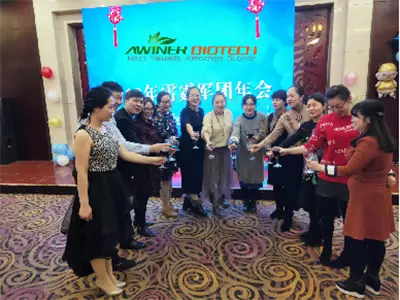
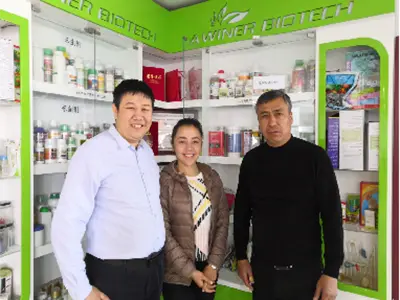
Our Global Market Reach: Up to now, we have won trusted customers and long-term distribution agreements in over 30 countries and territories, including Iraq, Iran, Afghanistan, Pakistan, India, Libya, Syria, Turkey, Yemen, Ukraine, Russia, Kazakhstan, Uzbekistan, Chile, Bolivia, Mexico, Brazil, Paraguay, Nigeria, Djibouti, Rwanda, Somalia, Malaysia, Cambodia, Nepal, Myanmar, and beyond.
Exhibitions & Field Surveys: We actively participate in major global agricultural exhibitions in Turkey, Iran, Pakistan, Nigeria, Russia, Cambodia, Malaysia, Uzbekistan, etc. Furthermore, our senior technical team regularly conducts localized market inspections in customer countries, solving technical challenges on-site, analyzing product efficacy under real field conditions, and welcoming client delegations to our Chinese manufacturing base.
Streamlined B2B procurement workflows designed to meet strict regulatory registration requirements and international shipping standards.
We provide complete registration support including GLP analytical reports, Certificate of Analysis (COA), MSDS, FAO specifications, and field trial data to facilitate fast-track local ministry approvals.
From 100ml small retail bottles up to 1000L IBC totes, our automated packaging lines accommodate co-branded designs, multi-lingual labels, and leak-proof fluorinated containers.
Direct connections with major shipping lines ensure rapid container allocation, flexible payment terms (T/T, L/C at sight), and reliable lead times from purchase order to port arrival.
Answers to essential technical, agronomic, pricing, and operational questions for chemical importers, distributors, and agricultural buyers.
Discover our extended agrochemical product range engineered for broad-spectrum weed suppression, disease management, and yield maximization.
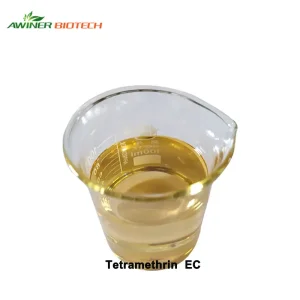
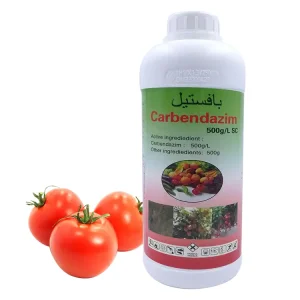
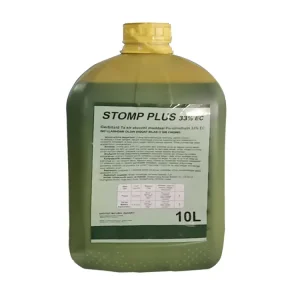
 Awiner Biotech