Direct factory supply of high-purity Technical Grade (TC) and Advanced Formulations (EC, SC, WG, SL, SP) engineered for global export compliance.
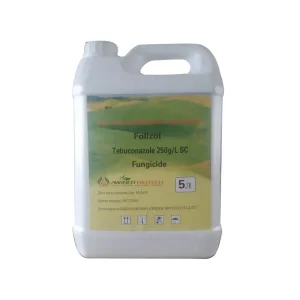
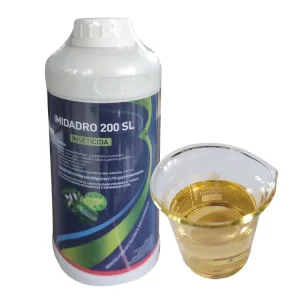
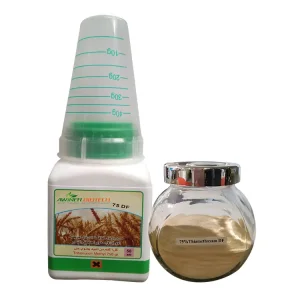
Navigating the Paradigm Shift Toward Smart Chemistry, Eco-Toxicological Safety, and Anti-Resistance Protocols
The global agrochemical sector is undergoing its most profound transformation in decades. Modern agricultural demands are driven by a dual imperative: securing high crop yields for a growing global population while adhering to stringent environmental standards, Maximum Residue Limits (MRLs), and complex regulatory frameworks across international markets. Within this dynamic landscape, wholesale broad spectrum insecticide for crops factories play an indispensable role in maintaining resilient food supply chains.
Transitioning from traditional single-site organophosphates and early synthetic pyrethroids toward advanced active ingredient multi-site premixes and novel modes of action (such as diamides, neonicotinoids, and insect growth regulators).
Replacing high-VOC emulsifiable concentrates (EC) with sustainable Suspension Concentrates (SC), Water Dispersible Granules (WG), and Micro-encapsulated Suspensions (CS) to maximize foliar adhesion while minimizing environmental runoff.
Formulating active chemicals with reduced viscosity and high dispersibility optimized for Ultra-Low Volume (ULV) aerial application via agricultural drones and automated drip irrigation networks.
Analyzing Purchasing Patterns across Multinational Distributors, Commercial Agribusinesses, and Government Tender Operators
Large-scale crop protection buyers—ranging from Latin American soybean producers to Middle Eastern date palm estates and Eurasian cereal collectives—require distinct commercial guarantees:
Global supply chain volatility has heightened the emphasis on factory stability. Importers actively seek partners with integrated chemical precursor supply lines to prevent production halts during raw material cost spikes.
How Modern Infrastructure and Strategic Industrial Clusters Driving Unmatched Manufacturing Superiority
China stands at the epicenter of global agrochemical manufacturing, controlling over 70% of the world’s active ingredient chemical synthesis capacity. The integration of Factory 4.0 automation, digitalized batch processing, and centralized environmental management facilities has solidified China's position as the primary sourcing hub for agricultural chemicals.
Located in Shijiazhuang, Hebei Province, in proximity to China's capital, Beijing, and key commercial shipping hubs (such as Tianjin Port/Xingang), Awiner Biotech leverages these regional infrastructure advantages to offer global clients uninterrupted production schedules, rapid ocean freight dispatch, and rigorous quality verification protocols.
Awiner Biotech was founded in 2006,located in north of China-Shijiazhuang, Hebei Province.The city is close to our captain Beijing, transportation is convenient.Awiner Biotech is committed to research, produce and distribute agrochemicals. mainly deal with pesticides, herbicides, fungicides, plant growth regulator and public health pesticides.
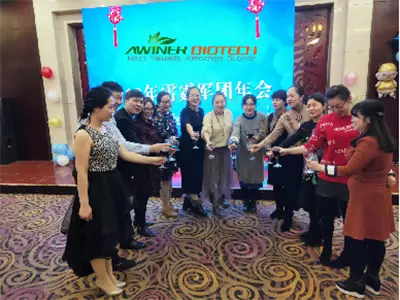
Uptonow, wehavewincustomersfromIraq, Iran, Afghanistan, Pakistan, India, Libya, Syria, Turkey, Yemen, Ukraine, Russia, Kazakhstan, Uzbekistan, Chile, Bolivia, Mexico, Brazil, Paraguay, Nigeria, Djibouti, Rwanda, Somalia, Malaysia, Cambodia, Nepal, Myanmarandsoon.
Our countries participating in the exhibition are Turkey, Iran, Pakistan, Nigeria, Russia, Cambodia, Malaysia, Uzbekistan, etc.
We go to the customer's country to conduct market inspections, analyze and solve problems for them, understand their product usage, and customers will also visit us.
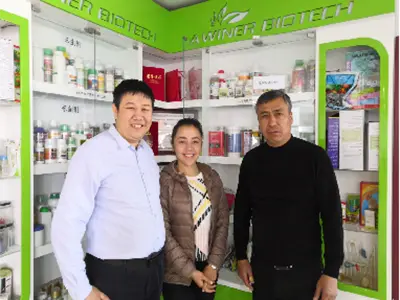
Up to now, we have win customers from Iraq, Iran, Afghanistan, Pakistan, India, Libya, Syria, Turkey, Yemen, Ukraine, Russia, Kazakhstan, Uzbekistan, Chile, Bolivia, Mexico, Brazil, Paraguay, Nigeria, Djibouti, Rwanda, Somalia, Malaysia, Cambodia, Nepal, Myanmarandsoon..
Engineered Target Pest Management Across Key Global Agricultural Systems
Crops: Wheat, Maize, Rice, Barley.
Target Pests: Aphids (Aphididae), Rice Stem Borers (Chilo suppressalis), Planthoppers, Armyworms (Spodoptera frugiperda).
Formulation Solutions: Systemic neonicotinoids (Imidacloprid 20% SL, Thiamethoxam 75% WDG) combined with pyrethroids for fast knock-down and long residual protection against foliar sap-feeders.
Crops: Citrus, Vegetables, Tomatoes, Grapes, Tea, Tobacco.
Target Pests: Whiteflies (Bemisia tabaci), Thrips, Spider Mites (Tetranychidae), Fruit Flies.
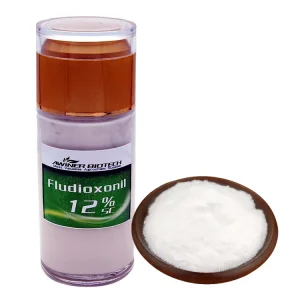
Formulation Solutions: High-grade SC formulations (e.g., Fludioxonil, Tebuconazole & Trifloxystrobin tank mixes) and selective miticides (Hexythiazox 97% TC) preventing resistance buildup while preserving beneficial insects.
Crops: Cotton, Sugarcane, Oilseed Rape, Coffee, Cocoa.
Target Pests: Bollworms, Leafminers, Scale Insects, Public Health vectors.
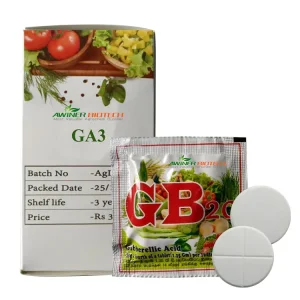
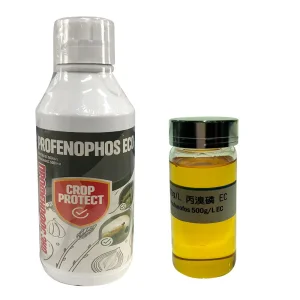
Formulation Solutions: Heavy-duty synergistic blends (Profenofos + Cypermethrin 44% EC) and targeted Plant Growth Regulators (Gibberellic Acid GA3, Thidiazuron TDZ) to enhance stress resistance and harvest yield.
Expert Guidance for Agrochemical Procurement Teams, Formulation Engineers, and Regional Distributors
Comprehensive Solutions Covering Herbicides, Fungicides, Acaricides, and Public Health Agrochemicals.
 Awiner Biotech