Direct factory wholesale pricing, customizable formulations, and certified quality controls for global buyers.
Analyzing modern pest control requirements, chemical efficacy, and commercial procurement strategies for B2B distributors.
The global agrochemical landscape is undergoing a structural transition driven by the dual imperatives of sustainable yield optimization and stringent environmental compliance. Among synthetic pest control chemicals, broad spectrum pyrethroid insecticides remain a cornerstone of integrated pest management (IPM) programs worldwide. Valued for their rapid knockdown effect, low mammalian toxicity relative to historical organophosphates, and high bio-efficacy at modest application rates, pyrethroids continue to command substantial market share across row crops, horticulture, forestry, and vector-borne disease control in public health.
Recent market intelligence highlights a steady CAGR in the global pyrethroid market, supported by rising demand in emerging agricultural economies across Latin America, Asia-Pacific, Eastern Europe, and Africa. However, success for B2B buyers—including regional distributors, multinational formulators, and large-scale agricultural enterprises—hinges on navigating supply chain volatility, optimizing active ingredient (TC) procurement costs, and acquiring high-performance formulations tailored to local pest pressures and regulatory standards.
Synthetic pyrethroids are structural analogs of natural pyrethrins derived from Chrysanthemum cinerariifolium flowers, modified synthetically to enhance chemical stability against sunlight and weathering (photostability). They are classified into two major toxicological and structural categories:
| Classification | Structural Hallmark | Mode of Action & Symptoms | Representative Actives |
|---|---|---|---|
| Type I Pyrethroids | Lack an alpha-cyano group at the phenoxybenzyl position | Induce repetitive neuronal discharges by holding sodium channels open briefly. Causes rapid "knockdown," tremors, and hyper-excitation. | Bifenthrin, Permethrin, Allethrin, Tetramethrin |
| Type II Pyrethroids | Contain an alpha-cyano substituent (alpha-cyano-3-phenoxybenzyl) | Cause prolonged depolarization of nerve membranes, significantly delaying sodium channel closure. Results in paralysis and higher mortality. | Cypermethrin, Deltamethrin, Lambda-Cyhalothrin, Esfenvalerate |
Pyrethroids act primarily on the voltage-gated sodium channels (VGSC) within the insect central and peripheral nervous system. By blocking channel inactivation, these active ingredients trigger continuous electrical impulses, causing rapid excitation, feeding inhibition, immediate knockdown, and eventual pest death. This broad-spectrum activity targets major orders including Lepidoptera (caterpillars, bollworms), Coleoptera (beetles), Hemiptera (aphids, whiteflies, bugs), and Diptera (mosquitoes, flies).
To reduce solvent usage and volatile organic compounds (VOCs), advanced manufacturing emphasizes Suspension Concentrates (SC), Water Dispersible Granules (WDG), and Microencapsulated Suspensions (CS). CS formulations enclose active ingredients in polymeric shells, yielding extended residual control and lower dermal toxicity for applicators.
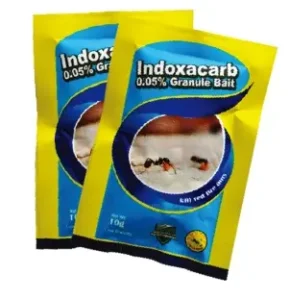
Combating metabolic and target-site resistance requires co-formulation. Combining pyrethroids with organophosphates (e.g., Profenofos 40% + Cypermethrin 4% EC) or diamides/oxadiazines (e.g., Indoxacarb 12% + Chlorfenapyr 16% SC) restores efficacy against resistant strain bollworms and mites while broadening control spectrums.
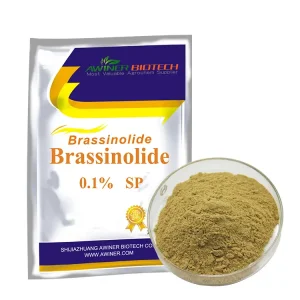
Integrating chemical control with biostimulants like Brassinolide 0.1% SP helps crops rapidly recover from pest damage, environmental stress, and transient chemical stress, ensuring crop physiological vigor and maximum harvest potential.
Navigating the wholesale pricelist for broad spectrum pyrethroids requires an understanding of key upstream chemical raw material trends and manufacturing economics. Key cost drivers include:
| Active Ingredient / Product Formulation | Standard Wholesale Pack Sizes | Target Pests & Agronomic Applications | Key Regional Markets |
|---|---|---|---|
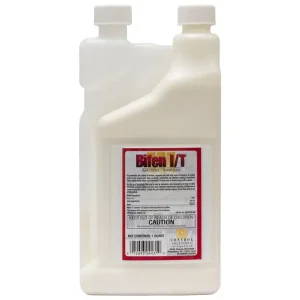
| Bifenthrin 97% TC / 25% SC / 10% EC | 1L, 5L, 200L Drum, Customized OEM | Mites, Caterpillars, Termites, Aphids on Cotton, Maize, Tea, Vegetables | Latin America, South Asia, CIS, Middle East |
| Profenofos 40% + Cypermethrin 4% EC | 250ml, 1L, 200L Steel Drum | Complex chewing and sucking pests, Armyworms, Helicoverpa spp. | Sub-Saharan Africa, South Asia, Southeast Asia |
| Indoxacarb 12% + Chlorfenapyr 16% SC | 100ml, 500ml, 1L Aluminum Bottle | Resistant Plutella xylostella, Spodoptera frugiperda (Fall Armyworm) | Southeast Asia, South America, Middle East |
| Dinotefuran 20% + Pymetrozine 50% WDG | 100g, 500g Bag, 10kg Carton | Planthoppers, Whiteflies, Resistant Hemipteran pests in Rice & Horticulture | East Asia, South Asia, CIS Region |
Insecticide resistance remains a critical challenge for growers globally. Continued reliance on single-site pyrethroids without rotation can lead to target-site mutations (such as knockdown resistance, kdr) and enhanced metabolic detoxifying enzymes (P450 monooxygenases, esterases).
To preserve chemical longevity and ensure robust yield protection, Awiner Biotech champions a holistic Insecticide Resistance Management (IRM) protocol incorporating multi-mechanism chemistries:
Rotate Group 3 (Pyrethroids) applications with Group 22A (Indoxacarb), Group 13 (Chlorfenapyr), or Group 4A/4D (Neonicotinoids/Pymetrozine). This breaks generation-to-generation selection pressure, preventing target pest populations from developing homozgyous resistance genes.
Pre-mixed multi-way formulations provide complementary knock-down and residual control. For example, pairing a pyrethroid with organophosphates or pyrroles guarantees mortality even if individual pest strains express partial metabolic tolerance to a single mode of action.
Navigating country-specific agrochemical registrations requires thorough technical documentation. Formulators and importers require reliable factories capable of delivering certified Dossier Data Packages that meet international FAO/WHO specifications.
Complete GLP toxicological data, ecotoxicological profiles, physical-chemical analytical reports, and Certificate of Analysis (COA) documentation tailored to local ministries of agriculture.
From 50ml small-pack retail bottles for smallholder farmers to bulk totes, equipped with high-barrier HDPE/Coex bottles, anti-counterfeiting holographic labeling, and multi-lingual safety warnings.
Strategically located near major northern Chinese shipping ports with streamlined logistics handling hazardous cargo (Class 6.1 / Class 9 UN dangerous goods standards) for rapid global delivery.
The next decade of pyrethroid synthesis and application will be driven by precision chemical engineering and bio-compatibility enhancements:
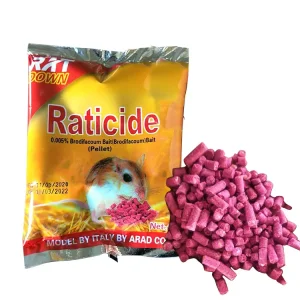
Explore our integrated chemical matrix comprising insecticides, herbicides, fungicides, and rodenticides.
Awiner Biotech: Delivering agrochemical excellence through research, global outreach, and customer-centric partnerships.
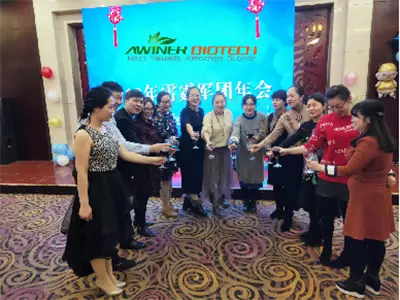
Awiner Biotech was founded in 2006, located in north of China - Shijiazhuang, Hebei Province. The city is close to our capital Beijing, transportation is convenient. Awiner Biotech is committed to research, produce and distribute agrochemicals, mainly dealing with pesticides, herbicides, fungicides, plant growth regulator and public health pesticides.
Up to now, we have won customers from Iraq, Iran, Afghanistan, Pakistan, India, Libya, Syria, Turkey, Yemen, Ukraine, Russia, Kazakhstan, Uzbekistan, Chile, Bolivia, Mexico, Brazil, Paraguay, Nigeria, Djibouti, Rwanda, Somalia, Malaysia, Cambodia, Nepal, Myanmar and so on.
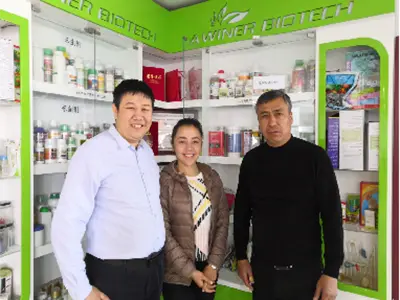
Established robust distribution pipelines across over 30 countries in Asia, Europe, South America, and Africa, maintaining continuous product delivery and regional support.
Our countries participating in international agrochemical exhibitions include Turkey, Iran, Pakistan, Nigeria, Russia, Cambodia, Malaysia, Uzbekistan, and more.
We routinely conduct overseas market inspections, analyzing and solving field challenges directly with local distributors to optimize product performance and user satisfaction.
Expert answers to critical commercial and technical questions regarding pyrethroid purchasing, application, and compliance.
 Awiner Biotech