Optimizing Grape Yields, Managing Botrytis Cinerea, and Securing Supply Chain Stability via Factory-Direct Sourcing
In modern commercial viticulture, controlling destructive fungal pathogens—specifically Botrytis cinerea (Gray Mold), Aspergillus niger, and Powdery Mildew (Uncinula necator)—is critical for securing market yield, post-harvest shelf life, and winemaking quality. Cyprodinil (CAS No. 121552-61-2), a broad-spectrum, synthetic pyrimidine fungicide belonging to the FRAC Group 9 (Anilinopyrimidines), stands out as a vital chemistry in global crop protection portfolios.
By inhibiting the biosynthesis of methionine and preventing the secretion of fungal cell wall-degrading enzymes, Cyprodinil disrupts the pathogen life cycle during spore germination and penetration phase. For global procurement officers, B2B distributors, and large-scale vineyard operators seeking bulk wholesale Cyprodinil quotes, understanding formulation dynamics, Maximum Residue Limits (MRLs), resistance management, and manufacturing scalability is key to maximizing ROI.
Chemical Name: 4-cyclopropyl-6-methyl-N-phenylpyrimidin-2-amine
FRAC Code: Group 9 (Methionine Biosynthesis Inhibitors)
Primary Target: Botrytis cinerea in table and wine grapes
Key Formulations: Cyprodinil 50% WDG, 75% WDG, 300g/L SC, Co-formulations (Cyprodinil + Fludioxonil)
Innovations in Solubilization, Systemic Translocation, and Resistance Mitigating Formulations
Cyprodinil exhibits strong acropetal translocation and translaminar movement within grape foliage and berry clusters. This allows the active ingredient to penetrate waxy cuticle layers, providing robust preventive and early curative action even in dense foliage zones where direct spray contact is limited.
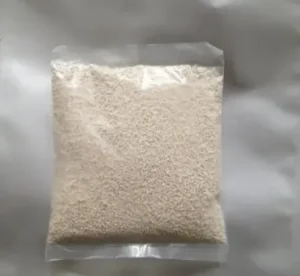
Modern manufacturing leverages high-efficiency fluid-bed spray drying to produce dust-free Water Dispersible Granules (WDG). This ensures 100% rapid dispersion in spray tanks, zero clogging of micro-nozzles, superior rainfastness within 2 hours of application, and extended shelf stability exceeding 24 months.
To combat resistance risks associated with single-site inhibitors, future-proof crop protection strategies employ co-formulations such as Cyprodinil + Fludioxonil (FRAC 9 + FRAC 12). Dual modes of action disrupt cellular osmotic signal transduction alongside amino acid synthesis, maintaining high control efficacy.
| Formulation Type | Active Content | Key Physical Properties | Target Application Stage | Recommended Dosage |
|---|---|---|---|---|
| Cyprodinil 50% WDG | 500 g/kg | Dustless granules, quick wet-out (<30s), low foaming | Pre-bunch closure to Veraison | 0.6 – 1.0 kg/ha |
| Cyprodinil 75% WDG | 750 g/kg | High concentrate, optimized logistics footprint | Veraison & Pre-Harvest | 0.4 – 0.75 kg/ha |
| Cyprodinil 300g/L SC | 300 g/L | Liquid suspension, fine particle size (<3 microns) | Early flowering / Post-bloom | 1.0 – 1.5 L/ha |
| Cyprodinil + Fludioxonil WDG | 37.5% + 25.0% | Dual systemic/contact complex, broad-spectrum anti-botrytis | High disease pressure windows | 0.8 – 1.0 kg/ha |
Protecting Premium Table Grapes and Wine Grapes from Pre-Harvest & Post-Harvest Losses
Achieving zero-defect grape clusters requires precise timing. Cyprodinil applications are strategic interventions positioned at key growth windows where grape susceptibility to Botrytis cinerea peaks:
Global grape trade demands strict adherence to Maximum Residue Limits (MRLs) set by regulatory bodies such as the EU EFSA, US EPA, and Codex Alimentarius. Factory-direct formulation quality ensures:
State-of-the-Art Synthesis Automation, Quality Assurance, and Bulk Agrochemical Production
Our Shijiazhuang manufacturing hub utilizes Distributed Control System (DCS) technology for continuous reactant monitoring. Temperature, pressure, and chemical stoichiometry are controlled with millisecond accuracy, ensuring continuous yield stability and 97%+ Technical Grade (TC) purity.
Every batch of active technical material and finished formulation undergoes rigorous testing via High-Performance Liquid Chromatography (HPLC), gas chromatography, and particle size laser analyzers to exceed FAO/WHO specifications.
Direct sourcing of essential precursor intermediates—such as 2-amino-4-cyclopropyl-6-methylpyrimidine—insulates our business partners from raw material price volatility, ensuring reliable production scheduling during peak demand cycles.
Empowering Regional Distributors with Complete Dossiers, Regulatory Data, and Custom Packaging
Securing pesticide product registration with national Ministries of Agriculture requires exhaustive technical documentation. We supply complete regulatory packages tailored to local statutory requirements:
Recognizing the diversity of market needs, our automated packaging lines accommodate customized units designed to protect product integrity against humidity and UV degradation:
Structured Commercial Terms for Importers, Formulators, and Large Agribusinesses
We accommodate commercial scaling by offering initial trial orders starting at 500 kg for specialty formulations (WDG/SC) and 1 MT for technical active ingredients (TC), allowing market seeding prior to mass-market launch.
Our pricing structures reflect real-time raw material indices, providing competitive FOB China, CFR, or CIF quotes with guaranteed price validity windows to mitigate global currency and freight fluctuations.
With strategic warehousing near Tianjin and Qingdao ports, we guarantee rapid vessel booking, export customs declaration clearance, and seamless shipment tracking from factory gate to final destination.
Pioneering Crop Protection Solutions Since 2006
Awiner Biotech was founded in 2006, located in the north of China—Shijiazhuang, Hebei Province. The city is close to our capital Beijing, with convenient logistics and transport links. Awiner Biotech is dedicated to the research, production, and distribution of agrochemicals, specializing in insecticides, herbicides, fungicides, plant growth regulators, and public health pesticides.
Over nearly two decades of operation, Awiner Biotech has built an unshakeable reputation for regulatory compliance, product efficacy, and client service across key agricultural regions globally.
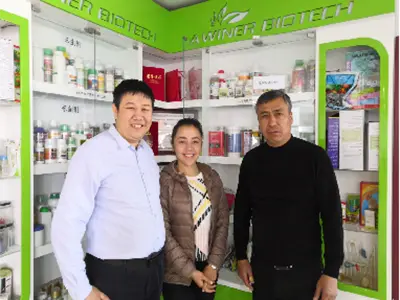
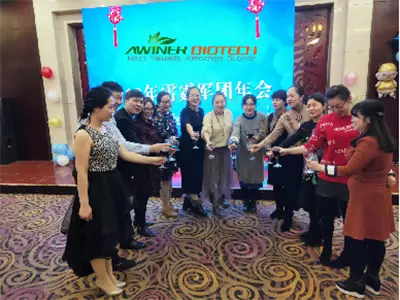
Up to now, we have earned the trust of customers across: Iraq, Iran, Afghanistan, Pakistan, India, Libya, Syria, Turkey, Yemen, Ukraine, Russia, Kazakhstan, Uzbekistan, Chile, Bolivia, Mexico, Brazil, Paraguay, Nigeria, Djibouti, Rwanda, Somalia, Malaysia, Cambodia, Nepal, Myanmar, and beyond.
Our regular participation in international agrochemical exhibitions includes key hubs in Turkey, Iran, Pakistan, Nigeria, Russia, Cambodia, Malaysia, Uzbekistan, and more, fostering long-term direct trade relationships.
We actively conduct localized market inspections in customer countries—analyzing field performance, solving regional pest resistance challenges, and hosting customer delegation visits to our manufacturing facilities.
Technical & Commercial Clarity for Professional B2B Agrochemical Buyers
 Awiner Biotech