Explore our enterprise-grade active ingredients, defoliants, crop care chemicals, and synergistic growth regulators optimized for large-scale mechanized cotton production and yield protection.
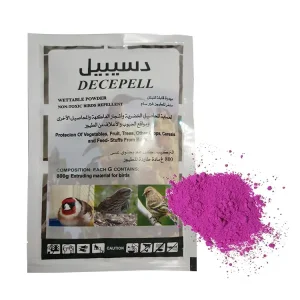
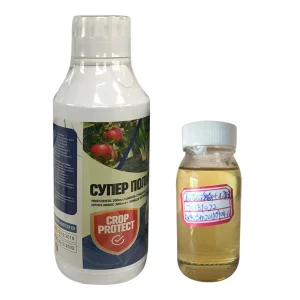
In modern commercial agriculture, transitioning from manual picking to automated mechanical harvesting requires absolute precision in crop conditioning. Uniform cotton defoliation is not merely an aesthetic step before harvest; it is a bio-chemically engineered physiological process designed to induce premature leaf abscission, trigger synchronized boll opening, reduce leaf trash, and preserve lint grade (UHML and Micronaire parameters).
When cotton leaves remain green and hydrated during mechanical spindle picking or stripping, chlorophyll-rich SAP stains the white cotton lint, severely degrading its commercial market grade. Furthermore, excessive leaf matter increases trash content, forcing gins to run aggressively—a process that damages fiber length, strength, and uniformity. By procuring high-purity defoliation cocktails—combining hormone-mimicking active ingredients like Thidiazuron (TDZ), Diuron, and Ethephon—large agricultural conglomerates, B2B importers, and state distributors can achieve over 95% leaf drop within 10 to 14 days post-application.
Global commercial cotton farming spans over 30 million hectares worldwide. The adoption of high-efficiency spindle harvesters across North America, Xinjiang (China), Mato Grosso (Brazil), Central Asia, and Australia has driven an exponential increase in demand for standardized wholesale uniform cotton defoliation quotes and direct factory bulk contracts.
With mechanical harvest rates exceeding 85-90% in northern and southern Xinjiang, regional farm managers require tens of thousands of metric tons of TDZ + Diuron SC suspensions annually to ensure rapid boll ripening before autumn frost sets in.
Massive multi-thousand-hectare fazendas in Brazil require high-concentration, ultra-stable emulsifiable concentrates (EC) and suspension concentrates (SC) compatible with ultra-low volume (ULV) aerial and wide-boom spraying rigs.
Countries including Uzbekistan, Kazakhstan, Pakistan, and Turkey are actively upgrading their agrarian infrastructure, creating structural demand for cost-effective, bulk-packaged defoliation solutions direct from verified chemical factories.
Achieving total leaf detachment without causing physiological leaf freezing (where leaves die rapidly while remaining firmly attached to the stem) requires precise hormonal balancing. Effective factory-formulated defoliants rely on multi-component synergistic active chemistry:
| Active Ingredient / Synergist | Primary Physiological Mechanism | Recommended Concentration | Agronomic Benefit |
|---|---|---|---|
| Thidiazuron (TDZ) | Cytokinin mimic; triggers ethylene synthesis in leaf pulvinus; activates abscission layer enzymes. | 500 g/L SC / 50% WP | Prevents leaf regrowth, ensures clean petiole separation at node. |
| Diuron | Photosystem II inhibitor; causes controlled oxidative stress and enhances TDZ penetration. | 250 g/L SC (Co-formulated) | Accelerates leaf drops under low-temperature conditions (<18°C). |
| Ethephon | Ethylene generator; breaks seed coat dormancy and speeds up boll dehiscence (opening). | 720 g/L SL / 480 g/L SL | Synchronizes 1st and 2nd position boll opening for single-pass picking. |
| Organosilicone Surfactants | Super-spreading adjuvant; reduces dynamic surface tension to below 22 mN/m. | 0.05% - 0.1% Tank Mix | Ensures 100% stomatal coverage and rainfastness within 2 hours. |
The biological activity of Thidiazuron is strongly temperature-dependent. Optimum defoliation occurs when daytime temperatures remain consistently above 22°C (72°F). When nighttime temperatures drop below 12°C, plant metabolism slows, reducing ethylene synthesis. OEM formulations incorporating specialized penetration enhancers and photosystem inhibitors (such as Diuron or sodium chlorate additions) maintain thermal efficacy down to 15°C, expanding the usable harvest window for high-latitude growers.
Modern commercial operations are shifting rapidly toward Precision Agronomy. Aerial application via heavy-payload agricultural drones (UAVs) and high-clearance self-propelled boom sprayers demands optimized chemical physical properties. High viscosity or poor water-solubility can cause nozzle clogging or uneven droplet atomization.
Spray Volume: 15 – 30 L/Hectare
Droplet Size (VMD): 150 – 220 microns (anti-drift centrifugal atomization)
Formulation Requirement: Ultra-low foam, zero-sediment Suspension Concentrates (SC) with built-in anti-evaporation agents to prevent droplet dissipation in low humidity environments.
Spray Volume: 150 – 300 L/Hectare
Pressure Calibration: 3.0 – 5.0 bar using hollow-cone nozzles for full canopy penetration.
Formulation Requirement: Fast-dispersing Wetting Powders (WP) or Water Dispersible Granules (WDG) that remain in complete suspension during prolonged field operations.
As a leading agrochemical production enterprise, key emphasis is placed on molecular purity, particle size reduction, and batch stability. Active technical-grade ingredients (TC) are synthesized and milled using advanced micro-fluidic nano-grinders to achieve sub-micron particle sizing (D90 < 2.5 µm), maximizing cellular cuticle absorption across target leaves.
Every manufacturing batch undergoes High-Performance Liquid Chromatography (HPLC) and Gas Chromatography (GC) validation to ensure technical content accuracy, zero cross-contamination, and strict limit compliance.
Flexible bulk options ranging from 1-liter fluorinated HD-PE bottles to 200-liter steel drums and 1000-liter IBC totes equipped with specialized tamper-evident, UV-blocking protective layers.
Direct proximity to major international deep-water ports (Tianjin/Qingdao) enables streamlined export customs clearance, optimized ocean container booking, and reliable delivery schedules worldwide.
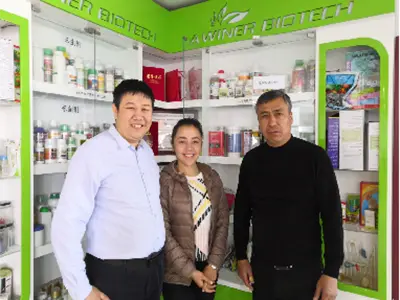
Awiner Biotech was founded in 2006, located in north of China-Shijiazhuang, Hebei Province. The city is close to our capital Beijing, transportation is convenient. Awiner Biotech is committed to research, produce and distribute agrochemicals. Mainly deal with pesticides, herbicides, fungicides, plant growth regulator and public health pesticides.
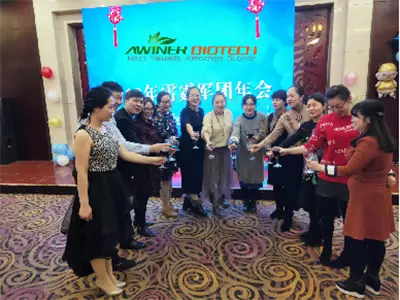
Up to now, we have won trusted long-term clients across 30+ nations: Iraq, Iran, Afghanistan, Pakistan, India, Libya, Syria, Turkey, Yemen, Ukraine, Russia, Kazakhstan, Uzbekistan, Chile, Bolivia, Mexico, Brazil, Paraguay, Nigeria, Djibouti, Rwanda, Somalia, Malaysia, Cambodia, Nepal, Myanmar, and beyond.
We maintain an active physical footprint at premier global agricultural trade summits across Turkey, Iran, Pakistan, Nigeria, Russia, Cambodia, Malaysia, Uzbekistan, and other regional agricultural tech expos.
We regularly visit client territories to perform comprehensive field surveys, analyze regional weed/pest resistance patterns, resolve application challenges on-site, and host client delegations at our manufacturing center.
Navigating strict agrochemical import regulations requires meticulous documentation and compliance with Maximum Residue Limits (MRLs). Defoliant chemicals supplied to cotton producers destined for international textile supply chains (such as GOTS or Better Cotton Initiative standards) must meet strict purity thresholds:
Comprehensive registration support including ICAMA certificates, Certificate of Analysis (COA), MSDS, Certificate of Origin (COO), and GLP-accredited toxicological dossiers for regional ministry approval.
Formulations engineered for rapid soil breakdown (half-life < 15 days), avoiding long-term persistent residues in cropland soil while preserving non-target beneficial insects post-defoliation.
Defoliation treatments should be timed precisely when 60% to 65% of total cotton bolls are fully open, or when the uppermost harvestable boll is 4 nodes above the highest cracked boll (NACB ≤ 4). Applying defoliant too early reduces lint weight and micronaire, while late application risks frost damage and leaf desiccation.
Thidiazuron provides potent hormonal leaf drop and inhibits regrowth of juvenile leaves. Diuron acts as a photosystem inhibitor, boosting TDZ performance in lower temperatures (<20°C) and enhancing leaf drop speed without causing unwanted leaf sticking.
Direct factory procurement eliminates middleman markups, reduces chemical procurement costs by 20–30%, ensures single-batch active ingredient consistency, and offers customized concentration adjustments tailored to local soil and climate parameters.
We provide custom packaging ranging from 250ml, 500ml, 1L bottles for retail redistribution up to 20L drums, 200L metal/HDPE drums, and 1000L IBC tanks for bulk industrial spraying programs.
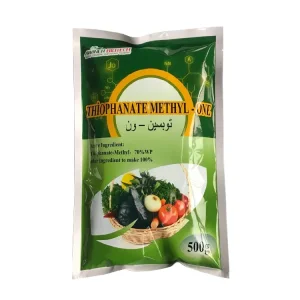
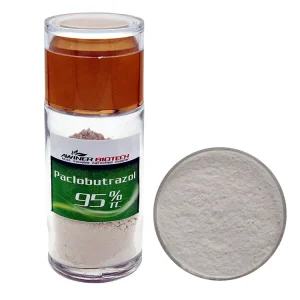
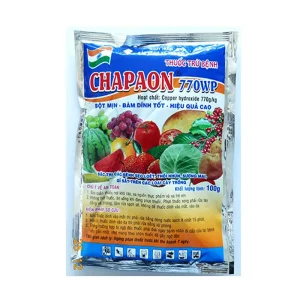
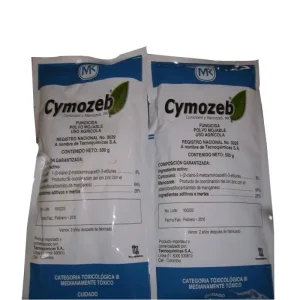
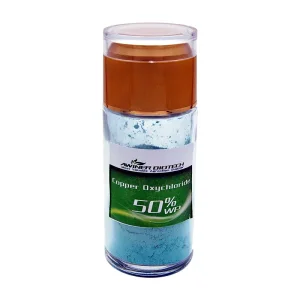
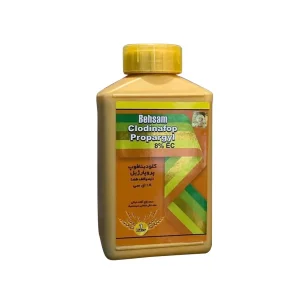
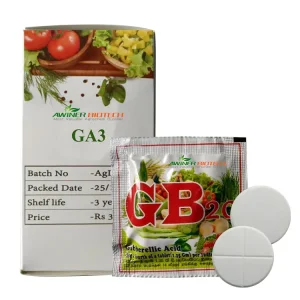
Explore additional agrochemical solutions, systemic insecticides, copper fungicides, and plant growth regulators available for wholesale factory quote requests.
 Awiner Biotech