Advanced crop protection chemical solutions engineered for high-altitude resilience, systemic control, and targeted pathogen eradication.
Understanding the strategic trade corridor, microclimatic disease pressures, and industrial supply infrastructure in the Valley of Mexico.
The agricultural economy surrounding Mexico City (CDMX) and the wider Central Mexican Plateau—encompassing the State of Mexico (Edomex), Puebla, Morelos, Hidalgo, and Michoacán—represents one of the most commercially dense and agronomically sophisticated regions in Latin America. While Mexico City proper functions as the commercial, financial, and regulatory epicenter hosting key authorities like SENASICA (Servicio Nacional de Sanidad, Inocuidad y Calidad Agroalimentaria) and COFEPRIS (Comisión Federal para la Protección contra Riesgos Sanitarios), the surrounding agricultural belts represent thousands of hectares of high-value horticultural production, berry cultivation, avocado orchards, and commercial floriculture.
Direct proximity to federal regulatory headquarters speeds up technical dossier processing, compliance verification, and import license management for global manufacturing partners.
Strategic connectivity via major transport arteries to Pacific ports (Manzanillo) and Gulf ports (Veracruz), alongside direct access to the AIFA cargo terminal and Pantaco dry port.
Custom chemical solutions engineered to satisfy North American Maximum Residue Limit (MRL) standards under T-MEC / USMCA trade framework agreements.
In recent years, the demand for sophisticated fungicide active ingredients (AIs) in Mexico City's distribution pipeline has surged. Farmers face unprecedented microclimatic challenges: high-altitude UV radiation rapidly degrades lower-tier formulations, while distinct wet/dry seasonality triggers severe fungal outbreaks, including Late Blight (Phytophthora infestans), Powdery Mildew (Erysiphe spp.), Botrytis Gray Mold, and Anthracnose (Colletotrichum spp.). Consequently, agricultural importers, enterprise growers, and agrochemical distributors require reliable, factory-direct fungicide suppliers capable of providing stable, high-purity, scalable formulations.
A rigorous evaluation of systemic vs. protective fungicides and FRAC mode-of-action classifications tailored for high-intensity cropping systems.
Preventing resistance development while maintaining high kill-rates requires strategic rotation across multiple Fungicide Resistance Action Committee (FRAC) codes. Importers sourcing fungicides for the Mexico City market must balance systemic translaminar activity with protective multi-site barrier technologies.
| Active Ingredient(s) | FRAC Group | Primary Target Pathogens | Formulation Types | Key Agronomic Advantages |
|---|---|---|---|---|
| Azoxystrobin | Group 11 (QoI Strobilurin) | Colletotrichum, Powdery Mildew, Rusts | 250g/L SC, 50% WDG | Inhibits mitochondrial respiration; strong greening effect and translaminar activity. |
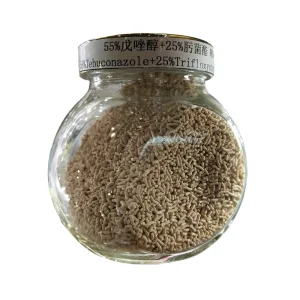
| Tebuconazole + Trifloxystrobin | Group 3 (DMI) + Group 11 | Leaf Spot, Alternaria, Botrytis | 75% WDG, 500 SC | Dual systemic & protective shield; excellent heat stability and curative punch. |
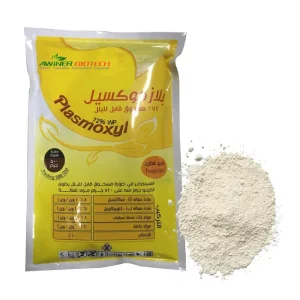
| Metalaxyl-M + Mancozeb | Group 4 (PA) + Group M03 (Multi-site) | Phytophthora infestans, Downy Mildew | 68% WP, 72% WP | Gold standard against Oomycetes; rapid root-to-shoot acropetal translocation. |
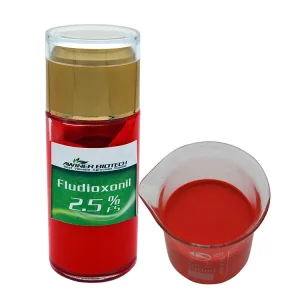
| Fludioxonil + Metalaxyl-M | Group 12 (Phenylpyrroles) + Group 4 | Damping-off, Fusarium, Rhizoctonia | 2.5% FS, 3.5% FS | Premium seed treatment formulation; non-phytotoxic root collar preservation. |
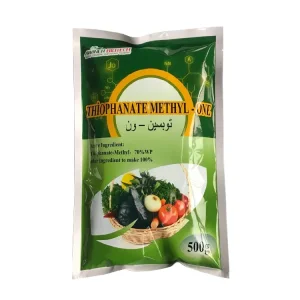
| Captan / Thiophanate-Methyl | Group M04 / Group 1 (MBC) | Scab, Fruit Rots, Anthracnose | 80% WDG, 70% WP | Essential multi-site anti-resistance tank-mix partner for fruit and vegetable crops. |
Top-tier manufacturing suppliers operating in Mexico City must account for distinct physical-chemical parameters during formulation processing:
Tailored disease management protocols for protected horticulture, open-field vegetables, and perennial fruit crops.
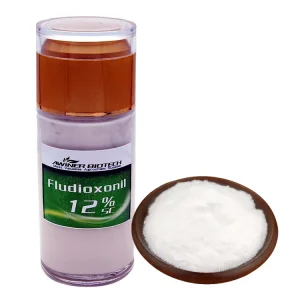
Under covered greenhouse structures producing bell peppers, tomatoes, and cut flowers, humidity levels routinely exceed 85%, creating ideal microclimates for Botrytis cinerea and Leveillula taurica. Systemic premixes containing Fludioxonil 12% SC or Azoxystrobin + Chlorothalonil 75% WP deliver extended residual activity without leaving unsightly spray stains on commercial produce destined for export.
Highland potato farming faces relentless pressure from Late Blight (Phytophthora infestans). Incorporating dual-action Mancozeb 64% + Metalaxyl-M 4% WP or Metalaxyl 35% EC offers immediate systemic arrestment of actively invading mycelium alongside multi-site protective coverage against spore rain.
Central Mexico's avocado and citrus sectors require preventative applications against Colletotrichum gloeosporioides (Anthracnose) and Sphaceloma perseae. Formulations with Copper Hydroxide / Metalaxyl combinations or Captan 80% WDG ensure skin integrity, prolonging post-harvest shelf life and satisfying strict export quarantine standards.
In peri-urban agricultural belts, environmental safety, low toxicity, and precise bio-fungicide integration are paramount. Advanced micro-encapsulated formulations reduce active ingredient application rates by up to 30% while retaining equivalent biological efficacy.
Securing seamless B2B customs clearance and regulatory authorization for chemical import operations into Mexico.
Navigating the legal framework governing agrochemical imports into Mexico City demands absolute precision in technical dossier preparation. Commercial transactions require active ingredient verification, impurity profiling, and toxicological documentation that align with federal safety parameters.
Full toxicological analysis, environmental impact assessments, and physicochemical characterization conducted under GLP (Good Laboratory Practice) standards.
Verification of biosecurity standards, import risk evaluations, and verification of compliance with Mexican Official Standards (NOMs).
Strict adherence to residue thresholds ensuring that treated crops pass export safety inspections at the US-Mexico border without detention.
Our manufacturing and supply processes utilize HPLC (High-Performance Liquid Chromatography) and GC-MS (Gas Chromatography-Mass Spectrometry) batch testing to guarantee active ingredient content remains strictly within target tolerances (±0.5%). Every container shipment dispatched to Mexico City is accompanied by a certified Certificate of Analysis (COA), MSDS documentation, and fully compliant bilingual labeling (Spanish/English).
Explore our complete commercial range of systemic, protective, and seed-treatment agrochemicals available for direct factory shipment to Mexico City.
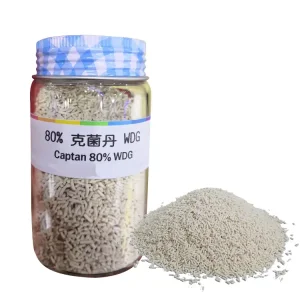
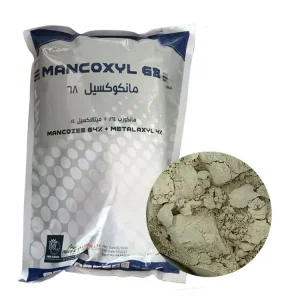
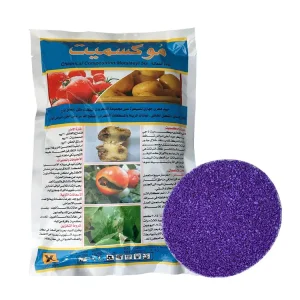
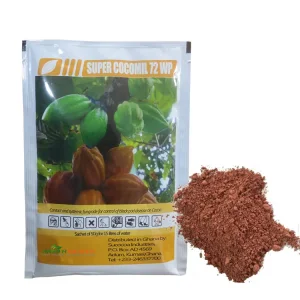
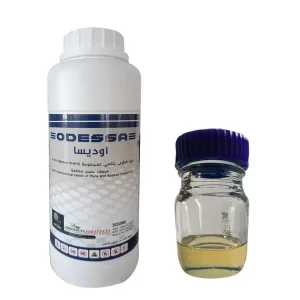
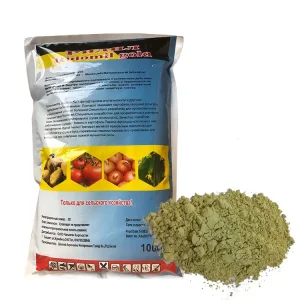
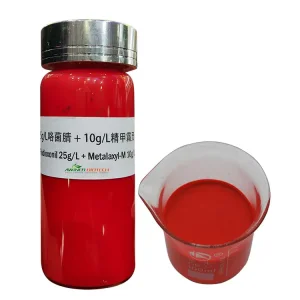
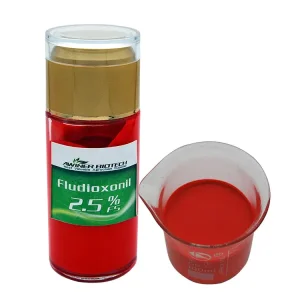
Pioneering sustainable chemistry, nano-encapsulation, and reduced-environmental-load formulations for Latin American agriculture.
As global regulatory bodies push toward reduced active ingredient dosages per hectare, modern agrochemical manufacturing is undergoing a structural paradigm shift. Importers in Mexico City are increasingly demanding formulations that offer higher bioavailability, minimal environmental drift, and superior stability under changing climatic conditions.
Sub-micron particle droplet sizes allow active molecules to penetrate plant cuticle layers in under 30 minutes, drastically decreasing rainwash losses during heavy downpours.
Solvent-free, vegetable-oil-based carrier systems that enhance adjuvant spreading across waxy leaves (e.g., brassicas and onions) while maintaining zero phytotoxicity risks.
Combining traditional synthetic fungicides (e.g., Tebuconazole) with bio-stimulants or bio-fungicides to trigger Systemic Acquired Resistance (SAR) inside target host crops.
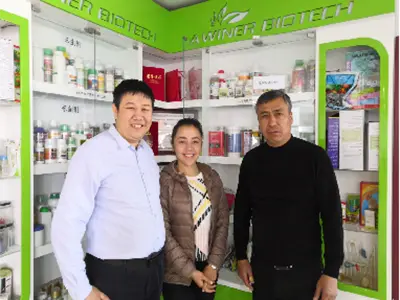
Founded in 2006, Awiner Biotech is located in northern China (Shijiazhuang, Hebei Province), strategically positioned near Beijing with convenient transport access to major international sea shipping ports. Awiner Biotech is dedicated to the research, synthesis, formulation, and international distribution of high-efficiency crop protection products, specializing in fungicides, insecticides, herbicides, and plant growth regulators.
Up to now, we have established long-term commercial partnerships with agricultural distributors and commercial enterprises in over 50 countries across Latin America, the Middle East, Central Asia, and Eastern Europe, including Mexico, Brazil, Chile, Bolivia, Paraguay, Russia, Ukraine, Kazakhstan, Uzbekistan, Turkey, Iran, Iraq, Pakistan, India, Nigeria, and Malaysia.
We routinely participate in premier international agricultural chemical exhibitions across Turkey, Russia, Iran, Pakistan, Nigeria, Cambodia, Malaysia, and Uzbekistan, building face-to-face trust with global partners.
Our technical sales teams conduct direct field visits in customer destination countries—analyzing local microclimates, validating product efficacy under local soil conditions, and providing custom technical solutions.
From 100ml aluminum bottles to 1000L IBC totes, our packaging lines feature UV-resistant barrier layers specifically engineered for high-altitude transport and tropical storage resilience.
Essential guidance for agrochemical buyers, commercial importers, and distributors sourcing fungicides in Mexico City.
 Awiner Biotech