Targeted fungicide solutions optimized for Polish climatic conditions, rainfastness requirements, and strict EU residue compliance.
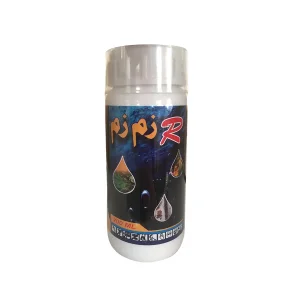
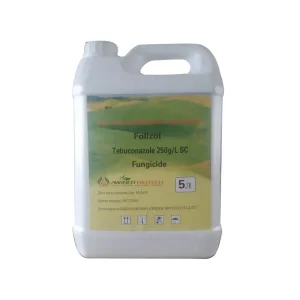
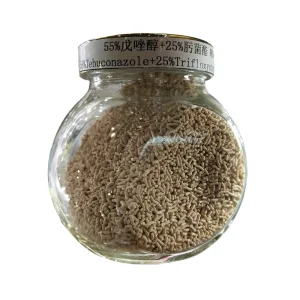
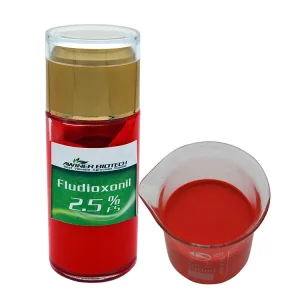
Poland stands as one of the most vital agricultural powerhouses within the European Union, ranking among the top producers of winter wheat, rye, sugar beets, potatoes, rape seed (canola), and temperate fruits—most notably apples, where Poland maintains its position as the largest exporter in Europe. With over 14 million hectares of arable land, the Polish agricultural ecosystem presents a sophisticated, high-volume market for crop protection products.
However, the agrochemical landscape in Poland is undergoing a structural paradigm shift driven by stringent regulatory frameworks, climate unpredictability, and changing pathogen pressures. The implementation of the European Green Deal, alongside the Farm to Fork strategy and updated Maximum Residue Limits (MRLs) under EU Regulation (EC) No 1107/2009, requires Polish distributors, growers, and agricultural cooperatives to adopt advanced, low-dose, high-efficiency fungicide formulations.
Agrochemical importers and distributors in key agricultural hubs such as Poznań, Wrocław, Lublin, Warszawa, and Bydgoszcz face constant pressure to balance regulatory compliance with biological efficacy. Key phytosanitary challenges across Polish farm regions include:
Securing a resilient, cost-effective agrochemical supply chain is critical for Polish B2B importers, chemical distributors, and agricultural procurement groups. Global fluctuations in active ingredient (AI) synthesis costs, raw material intermediate availability (such as 1,2,4-triazole ring precursors or cyanophenol derivatives), and international maritime transit rates significantly impact local market stability in Central and Eastern Europe.
Direct factory integration ensures uninterrupted supply of technical-grade actives (Azoxystrobin TC, Metalaxyl-M TC, Fludioxonil TC, Tebuconazole TC) manufactured in compliance with ISO 9001 and ISO 14001 standards.
We provide full-service formulation packaging tailored for Polish market requirements, including multi-layer HDPE bottles, water-soluble bags, and customized Polish-language CLP/GHS labels for seamless retail distribution.
Optimized maritime routes via the Port of Gdańsk and Port of Gdynia, paired with land intermodal rail through the Małaszewicze container corridor, enable swift, cost-optimized transport across Poland and CEE countries.
Modern European crop management demands fungicide technology that maximizes cellular uptake while minimizing chemical footprint per hectare. Through continuous R&D and advanced formulation technology, our technical team has engineered advanced delivery systems:
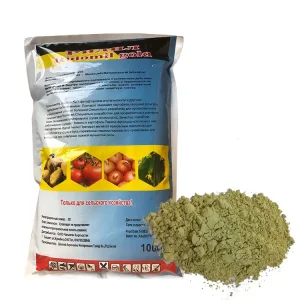
Formulations such as Tebuconazole 50% + Trifloxystrobin 25% WDG and Captan 80% WDG utilize micro-granulation technology. This prevents dust formation during mixing, ensures rapid disintegration in cold spray tank water (common in Polish early spring applications), and guarantees non-clogging performance in automated tractor boom sprayers.
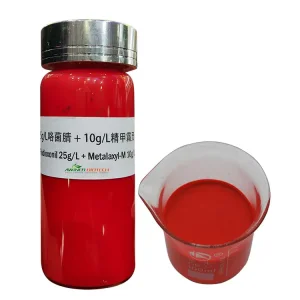
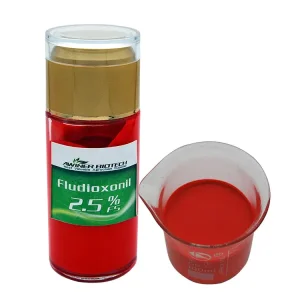
Seed-borne pathogens like Tilletia caries (bunt of wheat) and Fusarium culmorum are suppressed using advanced seed dressings such as Fludioxonil 2.5% FS and Fludioxonil + Metalaxyl-M FS. Advanced polymer binding agents ensure minimal dust-off during seed handling and enhanced germination protection in damp Polish soils.
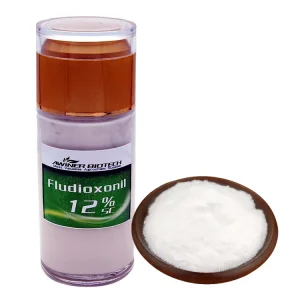
Liquid formulations like Azoxystrobin 250 g/L SC and Fludioxonil 12% SC integrate specialized organosilicone wetting agents. These agents dramatically reduce surface tension on wax-coated leaves (e.g., Brassica napus), promoting rapid systemic absorption within 30 minutes of application—a critical advantage during unpredictable rainy seasons in Central Europe.
Combining systemic QoI fungicides (Azoxystrobin) or DMIs (Tebuconazole) with multisite protective actives (Mancozeb, Copper, Chlorothalonil substitutes) provides robust resistance management. This prevents single-target mutations from breaking down crop protection programs.
Fungicide Resistance Action Committee (FRAC) guidelines dictate that repeated single-mode-of-action sprays significantly elevate the risk of target-site resistance in key fungal strains like Mycosphaerella graminicola (Septoria). Below is our recommended spray timing and active ingredient rotation framework designed specifically for Poland’s core agricultural crop cycles:
Challenge: High infection risk of Apple Scab during wet spring conditions, leading to severe russeting and fruit loss.
Solution: Implementation of a preventative program using Captan 80% WDG tank-mixed with systemic triazoles.
Result: 96.4% reduction in leaf scab infection rate and zero detectable residue overshooting EU export thresholds.
Challenge: Yellow Rust (Puccinia striiformis) and Septoria outbreak on 1,200 ha of winter wheat.
Solution: T2 spray application of Tebuconazole 50% + Trifloxystrobin 25% WDG at 0.35 kg/ha.
Result: Yield preservation increased by +1.15 metric tons per hectare compared to untreated control plots, with premium grain quality.
Challenge: Aggressive late blight strains rapidly destroying canopy cover in humid mid-summer.
Solution: Alternate applications of Metalaxyl-M + Mancozeb and Copper + Metalaxyl formulations.
Result: Extended canopy protection by 21 days; harvest yields increased by 14% with zero tuber rot in cold storage.
Awiner Biotech was founded in 2006, located in north of China—Shijiazhuang, Hebei Province. The city is close to our capital Beijing, and transportation is convenient. Awiner Biotech is committed to research, produce, and distribute agrochemicals. We mainly deal with pesticides, herbicides, fungicides, plant growth regulators, and public health pesticides.
Up to now, we have won business partners and long-term clients across global agricultural markets including: Poland, Iraq, Iran, Afghanistan, Pakistan, India, Libya, Syria, Turkey, Yemen, Ukraine, Russia, Kazakhstan, Uzbekistan, Chile, Bolivia, Mexico, Brazil, Paraguay, Nigeria, Djibouti, Rwanda, Somalia, Malaysia, Cambodia, Nepal, Myanmar, and beyond.
Exhibitions: Our company actively participates in international agrochemical exhibitions across Turkey, Iran, Pakistan, Nigeria, Russia, Cambodia, Malaysia, Uzbekistan, and Central/Eastern European trade events.
Customer Market Survey: We go directly to our customers' countries to conduct market inspections, analyze and solve local agronomic challenges, understand local climate and pathogen usage, and host partner delegations at our modern production bases in China.
Explore our extensive range of technical and formulated fungicides designed for high efficacy, crop safety, and compliance in Poland and European export markets.
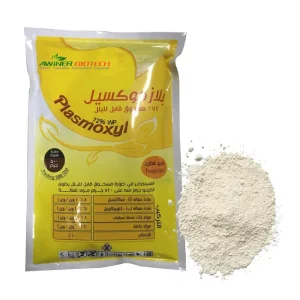
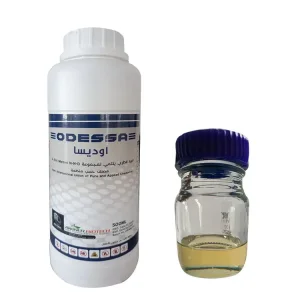
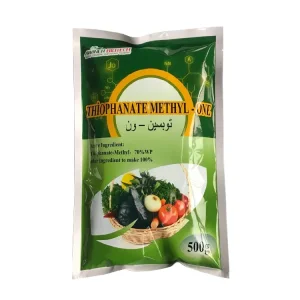
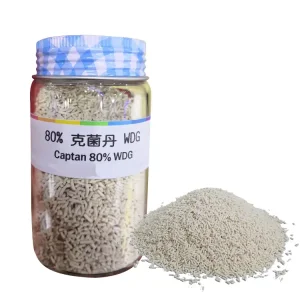
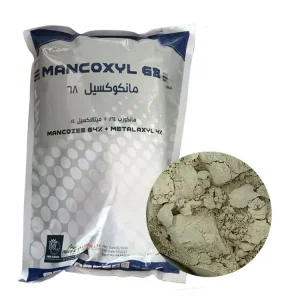
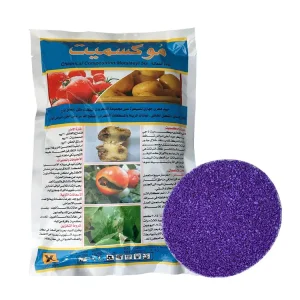
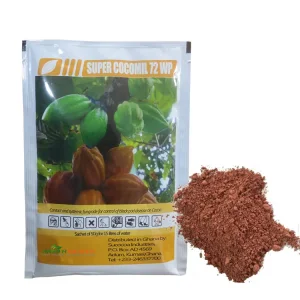
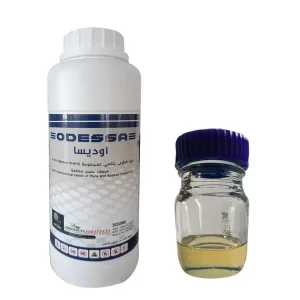
As the European Union accelerates its environmental targets under the 2030 Biodiversity Strategy, agrochemical supply partners must evolve beyond traditional chemical synthesis into intelligent crop protection ecosystem providers.
Developing high-purity active combinations that achieve maximum efficacy at reduced active-ingredient-per-hectare rates, supporting Polish farmers in meeting national reduction targets without sacrificing crop yields.
Optimizing viscosity, droplet surface tension, and anti-drift characteristics in SC and WDG products for precision drone spraying across expansive Polish cereal and rape fields.
Integrating chemical active ingredients like Fludioxonil and Metalaxyl with bio-based elicitors and bio-stimulants to enhance natural plant defense mechanisms and reduce chemical stress.
Whether you are an established Polish agricultural chemical distributor, a commercial farming group, or an OEM brand owner, Awiner Biotech delivers high-purity fungicide formulations, competitive factory-direct pricing, and reliable international logistics support.
Send Inquiry Now Awiner Biotech