High-purity active substances formulated for strict European maximum residue limits (MRLs) and integrated pest management (IPM) systems.
Austria’s agricultural domain represents one of Europe’s most sophisticated crop management ecosystems. With over 1.3 million hectares of arable land and permanent crops—spanning the fertile cereal plains of Lower Austria (Niederösterreich), the intensive viticulture regions of Burgenland and Styria (Steiermark), and pome fruit production in Upper Austria—the demand for high-efficacy phytosanitary solutions is paramount. However, operating within the framework of European Union Regulation (EC) No 1107/2009 and Austria’s stringent national Pflanzenschutzmittelgesetz (Plant Protection Products Act), commercial growers face a dual challenge: maintaining crop yield stability against aggressive fungal pathogens while strictly adhering to evolving Maximum Residue Limits (MRLs) and environmental sustainability goals.
Agronomic dynamics in Austria demand localized phytosanitary strategies tailored to specific regional crop portfolios:
Winter wheat, barley, and rye suffer heavily from Fusarium head blight (producing deoxynivalenol mycotoxins), Puccinia striiformis (yellow rust), and Septoria tritici. DMI (Demethylation Inhibitor) triazoles like Tebuconazole combined with Quinone Outside Inhibitor (QoI) strobilurins like Azoxystrobin and Trifloxystrobin remain critical for flag-leaf preservation (T2/T3 spray timings).
Austrian vineyards produce premium Grüner Veltliner and Blaufränkisch wines. Moist sub-alpine summers foster Uncinula necator (powdery mildew) and Botrytis cinerea (grey mould). Synergistic premixes containing Fludioxonil, Metalaxyl-M, and copper oxide complexes form the backbone of preventive resistance management programs.
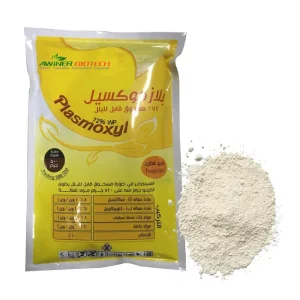
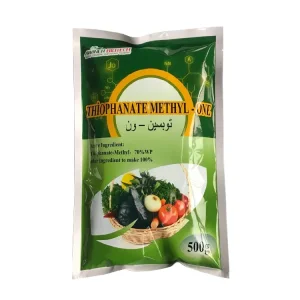
Cercospora beticola poses a systemic threat to Austrian sugar beet production. Multi-site protectants such as Mancozeb and Thiophanate-Methyl combined with advanced water-dispersible granules (WDG) ensure prolonged foliar retention during rain-heavy summer cycles.
The global crop protection chemical market has undergone structural adjustments post-2023. European distributors increasingly face elevated local storage costs, volatile active ingredient (AI) synthesis margins, and energy-intensive manufacturing overheads in continental Europe. China has consolidated its standing as the world's primary active ingredient synthesis and formulation hub, offering distinct B2B procurement advantages:
Note: Quotations vary based on active substance market fluctuations, customized co-formulation ratios, packaging sizes (e.g., 250ml bottles to 200L drums, 100g sachets to 25kg bags), and CIF Koper / Hamburg port logistics terms.
| Active Ingredient (AI) | Common Formulations | Primary Target Pathogens (Austria Market) | Formulation Tech Standard | B2B Moq & Packaging Range |
|---|---|---|---|---|
| Azoxystrobin | 250g/L SC, 50% WDG, 75% WP | Powdery Mildew, Rust, Septoria, Downy Mildew | FAO / EU Annex I Specification | 500 L / 500 kg (Bottles/Drums/Sachets) |
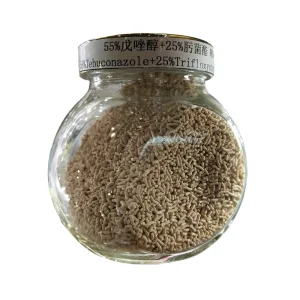
| Tebuconazole + Trifloxystrobin | 50% + 25% WDG, 240g/L + 120g/L SC | Fusarium Head Blight, Apple Scab, Botrytis | Ultra-fine particle micro-dispersed WDG | 1,000 L / 500 kg Custom OEM |
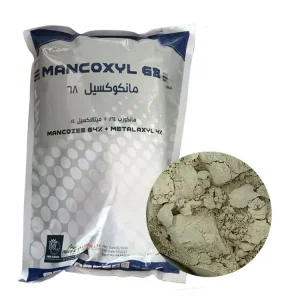
| Metalaxyl-M + Mancozeb | 4% + 64% WP / WDG, 68% WG | Late Blight (Phytophthora), Downy Mildew | High Suspension Rate (>85%) low dust | 1,000 kg (1kg aluminum bag / 25kg drum) |
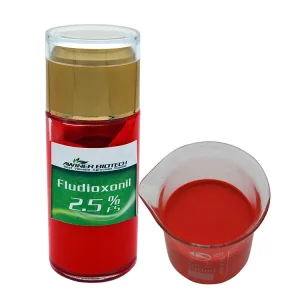
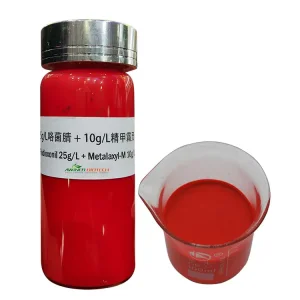
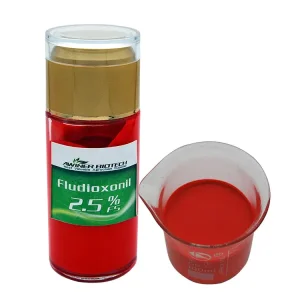
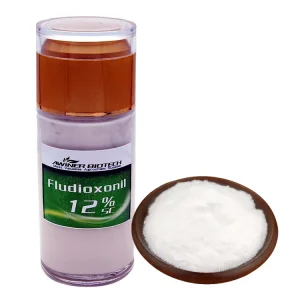
| Fludioxonil | 2.5% FS, 12% SC, 25g/L + Metalaxyl-M 10g/L | Seed-borne diseases, Rhizoctonia, Snow Mould | Adhesive Seed Coating Polymer Matrix | 500 L (HDPE Container) |
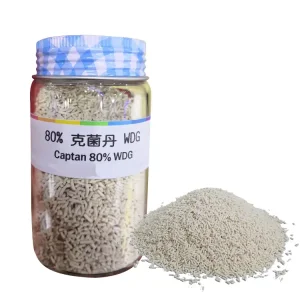
| Captan / Thiophanate-Methyl | 80% WDG, 70% WP | Fruit scab, Monilinia, Storage Rots | High Wetting & Rainfastness Tech | 1,000 kg Bulk Packaging |
Explore our complete portfolio of crop-specific fungicides, seed dressings, and protective broad-spectrum formulations featuring preserved active product links.
Awiner Biotech was founded in 2006, located in the north of China—Shijiazhuang, Hebei Province. The city is strategically positioned close to our capital Beijing, with convenient transportation links to major northern container ports including Tianjin and Qingdao.
Awiner Biotech is deeply committed to the research, synthesis, formulation production, and global distribution of advanced agrochemicals. We specialize in high-efficiency pesticides, selective and non-selective herbicides, systemic and contact fungicides, plant growth regulators (PGRs), and public health chemical solutions.
Up to now, we have won trusted customers and long-term distribution partners across more than 60 countries worldwide:
Our team regularly participates in international agrochemical exhibitions across Turkey, Iran, Pakistan, Nigeria, Russia, Cambodia, Malaysia, and Uzbekistan. We conduct on-site market surveys directly in customer territories to analyze crop pathogens, optimize tank mixes, and support regulatory filings.
Clear technical and commercial answers tailored for agrochemical importers, distributors, and estate procurement specialists in Austria and Central Europe.
 Awiner Biotech