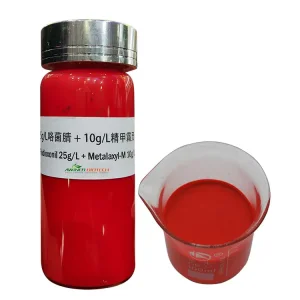
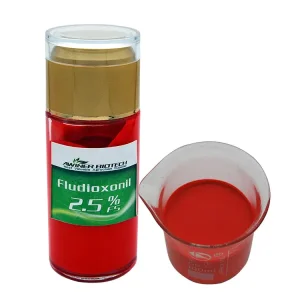
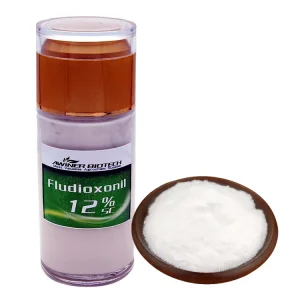
Tailored Active Ingredients & Formulations Meeting Strict Northern European Phytosanitary Standards
The Metropolitan Region of Hamburg serves as the pivotal logistical and economic arterial hub of Northern Europe. Beyond its world-renowned maritime port—the third-largest in Europe—Hamburg stands directly adjacent to some of Germany's most intensive crop production zones. Immediately southwest of the city lies the Altes Land, Europe's largest contiguous fruit-growing region spanning over 14,300 hectares along the Lower Elbe river basin. Concurrently, the surrounding states of Lower Saxony (Niedersachsen) and Schleswig-Holstein represent key hubs for winter cereal (wheat, barley), rape seed, and potato farming.
The maritime microclimate characterising the Elbe estuary brings high relative humidity, frequent drizzle, and mild spring temperatures. While highly favorable for high-density pome fruit cultivation and high-yielding arable crops, these atmospheric conditions create optimal breeding environments for devastating fungal pathogens, including:
Procuring crop protection chemicals through Hamburg requires strict alignment between bulk synthesis output and European regulatory structures. Importers and agricultural co-operatives operating out of Hamburg’s harbour (such as the Altenwerder and Waltershof terminals) face rigid EU Maximum Residue Limits (MRLs) set under Regulation (EC) No 1107/2009. Sourcing directly from backward-integrated manufacturing plants allows distributors to secure custom, high-purity technical grade active ingredients (TC) and optimized end-use formulations (WDG, SC, FS) that pass European compliance barriers seamlessly while maintaining cost competitiveness.
The global agricultural fungicide market has expanded to exceed USD 21.5 Billion, propelled by intensifying climatic shifts, pathogen mutation rates, and the imperative for global food security. However, European crop protection distributors operating in Germany face severe margin pressure due to escalating energy costs, localized production bottlenecks in Europe, and supply chain volatility.
Modern commercial procurement relies heavily on chemical clusters in Northern China, where backward integration—from basic petrochemical and elemental phosphorus/chlorine raw materials to intermediate synthesis (e.g., 1,2,4-Triazole, 2-Cyanophenol)—yields unmatched economies of scale. Understanding the chemical classes and their global sourcing economics is critical for Hamburg-based buyers:
| Chemical Class | Key Active Ingredients | Primary Mode of Action | Global Sourcing Advantage (China Synthesis) |
|---|---|---|---|
| Strobilurins (QoI) | Azoxystrobin, Trifloxystrobin | Inhibits mitochondrial respiration at complex III | Integrated intermediate supply (E-β-methoxyacrylate); consistent high-purity TC output. |
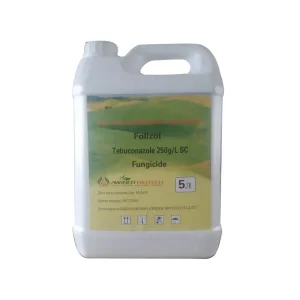
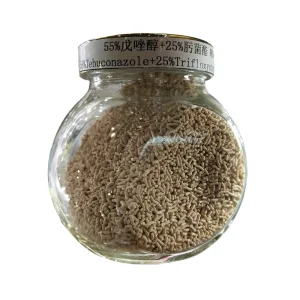
| Triazoles (DMI) | Tebuconazole, Difenoconazole | C14-demethylase inhibition in sterol biosynthesis | Massive manufacturing capacity in Hebei/Jiangsu hubs; high-efficiency WDG granulation lines. |
| Acylalanines | Metalaxyl, Metalaxyl-M (Mefenoxam) | RNA Polymerase I inhibition (Oomycetes control) | Dedicated multi-ton synthesis reactors; customizable liquid (EC) and powder (WP) blends. |
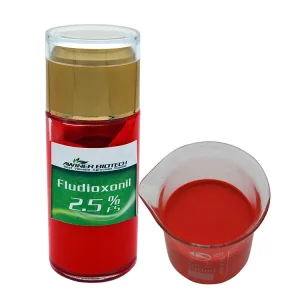
| Phenylpyrroles | Fludioxonil | MAP-kinase signal transduction disruption | Proprietary low-energy synthesis routes; optimized Seed Treatment Flowable (FS) stability. |
Through direct factory partner relationships serving Hamburg, importers bypass intermediary markups, securing fully documented batch releases with real-time liquid chromatography (HPLC) validation before vessel loading.
China’s chemical manufacturing clusters possess end-to-end integration unmatched by European formulators. By synthesizing raw precursors locally in Hebei Province, production hubs eliminate volatile intermediate shipping fees and minimize production latency.
Key factory capabilities supporting Northern European agricultural distributors include:
Direct shipping channels from North China ports (Tinjin/Qingdao) to Hamburg Port provide predictable lead times (approx. 28-35 days transit):
Optimizing active ingredient combinations for maximum ROI across Northern Germany's unique crop ecosystems
High humidity along the Lower Elbe encourages early-season Apple Scab and Powdery Mildew (*Podosphaera leucotricha*).
Recommended Solution:
Winter wheat and barley crops in Schleswig-Holstein experience severe Septoria blotch and rust pressure during wet springs.
Recommended Solution:
Lower Saxony potato and sugar beet soils require aggressive defense against soil-borne *Pythium*, *Rhizoctonia*, and *Phytophthora*.
Recommended Solution:
Commercial buyers purchasing active ingredients and finished crop protection products for distribution within Germany and wider EU markets must navigate demanding regulatory compliance benchmarks. Our factory manufacturing protocols adhere strictly to international standards, mitigating clearance risks at Hamburg customs (Zollamt Hamburg):
European regulatory frameworks stipulate rigid thresholds for relevant impurities (e.g., nitrosamines, hexachlorobenzene). Factory synthesis processes utilize high-resolution Gas Chromatography-Mass Spectrometry (GC-MS) and High-Performance Liquid Chromatography (HPLC) to guarantee technical active ingredient purity exceeding 97-98% minimum standards.
To ensure smooth application through modern automated boom sprayers used across German farms, formulations undergo rigorous CIPAC tests: MT 39.3 (flowability of WDG), MT 184 (suspendability), and MT 36.3 (emulsifiable concentrate stability in hard water).
Over 18 Years of Excellence in Research, Synthesis, and Global Distribution
Awiner Biotech was founded in 2006, located in the north of China—Shijiazhuang, Hebei Province. The city is close to our capital Beijing, with convenient high-speed rail and port transportation logistics. Awiner Biotech is committed to research, produce, and distribute top-tier agrochemicals, mainly dealing with pesticides, herbicides, fungicides, plant growth regulators, and public health pesticides.
Our state-of-the-art facility integrates automated synthesis reactors, air-jet milling systems for ultra-fine wettable powders, and high-capacity WDG fluid bed granulators, delivering exceptional crop protection compounds to worldwide partners.
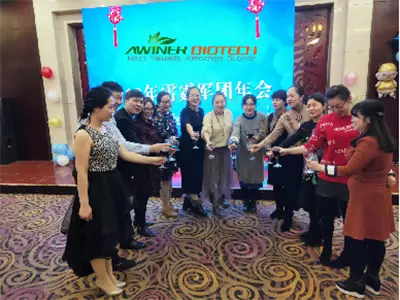
Up to now, we have won trusted long-term commercial clients across the globe: Iraq, Iran, Afghanistan, Pakistan, India, Libya, Syria, Turkey, Yemen, Ukraine, Russia, Kazakhstan, Uzbekistan, Chile, Bolivia, Mexico, Brazil, Paraguay, Nigeria, Djibouti, Rwanda, Somalia, Malaysia, Cambodia, Nepal, Myanmar, and expanding ongoing partnerships serving European hubs via Hamburg Port.
We routinely exhibit at premier international agrochemical expos worldwide, engaging partners in Turkey, Iran, Pakistan, Nigeria, Russia, Cambodia, Malaysia, Uzbekistan, and global trade fairs to present our latest formulation innovations.
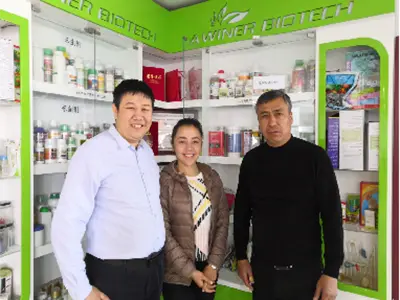
We travel directly to our clients' regional markets to conduct localized agronomic inspections, analyze real-world performance, solve emerging resistance challenges, and welcome client delegations for factory site audits in Northern China.
Addressing Core Commercial, Technical, and Logistical Inquiries for Importers
Direct Factory Quotes Available for CIF Hamburg Delivery
 Awiner Biotech