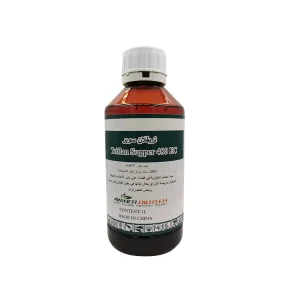
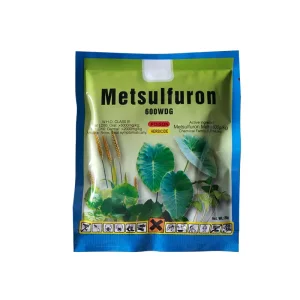
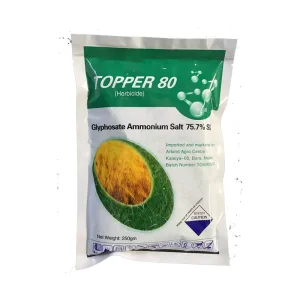
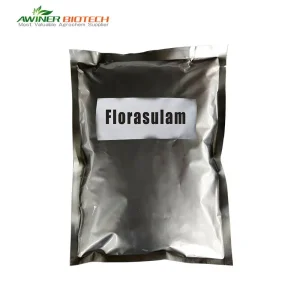
High-purity active ingredients engineered for tropical humidity, rainfast performance, and herbicide-resistance management.
Understanding the interplay between global chemical manufacturing, tropical weed ecology, and supply chain logistics in Peninsular Malaysia.
As the primary economic, logistics, and corporate management epicenter of Malaysia, Greater Kuala Lumpur (incorporating the Klang Valley and key port corridors leading to Port Klang) serves as the ultimate clearing house for agricultural inputs across Southeast Asia. The demand for industrial-grade herbicides across Peninsular Malaysia and neighboring regions is driven by vast commercial oil palm plantations, extensive lowland rice paddies in Selangor and Perak, rubber estates, and expanding urban infrastructure networks. Navigating the modern herbicide procurement environment requires a deep technical understanding of chemical modes of action (MOA), active ingredient purity, formulation stability under equatorial microclimates, and complex regulatory compliance overseen by the Pesticides Board of Malaysia (Lembaga Racun Makhluk Perosak - LRMP).
The global agrochemical supply chain has undergone structural transformations. Key active ingredients such as Glyphosate, Metsulfuron-methyl, Penoxsulam, and Pendimethalin experience supply-side price shifts influenced by upstream precursor chemical availability, environmental compliance mandates in synthesis hubs, and international maritime freight adjustments. For large-scale agricultural operations, plantation agencies, and commercial importers headquartered in Kuala Lumpur, securing stable factory-direct quotes is critical for margin protection and crop yield guarantees.
Factory-direct synthesis eliminates intermediary price inflation, enabling direct-to-port shipments (CIF Port Klang) with precise batch tracking. Advanced synthetic facilities utilize automated continuous reaction technology to guarantee consistent crystal structures, minimal impurity profiles (such as strict limits on nitrosamines and heavy metals), and superior active ingredient assay percentages. By partnering directly with primary synthesis factories, Malaysian distributors gain transparent access to cost structures, customized packaging lines, and priority production scheduling during peak application seasons.
Malaysia’s humid tropical climate, characterized by constant high ambient temperatures (27°C to 34°C), extreme humidity (>85%), and annual rainfall exceeding 2,500mm, creates extreme weed pressure and rapid resistance development. Common agricultural weeds in the region—such as Eleusine indica (Goosegrass), Asystasia gangetica, Clidemia hirta, and resistant strains of Echinochloa crus-galli in paddy environments—exhibit rapid vegetative growth and aggressive nutrient competition.
High rainfall conditions present severe technical challenges for active ingredient deposition. Conventional chemical sprays suffer from premature wash-off (lack of rainfastness), rapid chemical volatilization under direct equatorial solar irradiance, and hydrolytic degradation in standing surface water. Consequently, selecting the correct herbicide formulation—augmented with specialized non-ionic surfactants, organosilicone spreaders, and micro-encapsulation agents—is mandatory to achieve desired field performance across Selangor, Perak, and Johor plantation corridors.
Targeted bio-efficacy architectures tailored for oil palm plantations, lowland paddy fields, and industrial vegetation control.
Primary Targets: Asystasia gangetica, Paspalum conjugatum, Ottochloa nodosa, woody brush.
In mature and immature oil palm circles and harvesting paths across Peninsular Malaysia, broadleaf and aggressive grass weeds compete for vital nitrogen and potassium uptake. Systematic rotation using Metsulfuron-methyl combined with targeted systemic non-selective solutions ensures long-term suppression without causing root phytotoxicity to young palms.
Primary Targets: Echinochloa crus-galli, Leptochloa chinensis, broadleaf sedges (Cyperus difformis).
In the rice bowls of Sekinchan, Sabak Bernam, and Kedah, herbicide resistance against traditional ALS inhibitors is an urgent operational threat. Integrating Penoxsulam and Clodinafop-propargyl formulations within controlled water-management schemes provides superior selective post-emergence control, restoring optimal yield per hectare.
Primary Targets: Perennial deep-rooted grasses, woody vegetation on ballast tracks & industrial parks.
For municipal authorities, highway maintenance contracts, and industrial estates throughout Klang Valley, residual total-vegetation control is paramount. Heavy-duty pre-emergent barriers utilizing Atrazine, Diuron, and Pendimethalin deliver multi-month soil-residual weed exclusion, reducing labor overhead.
| Active Ingredient | HRAC Group / Mode of Action | Target Crop / Application | Recommended Formulations | Tropical Performance Index |
|---|---|---|---|---|
| Glyphosate | Group 9 (EPSP Synthase Inhibitor) | Oil Palm circles, Industrial clearance, Non-crop areas | 480 g/L SL (IPA salt), 757 g/kg SG | High rainfastness with organosilicone add-in |
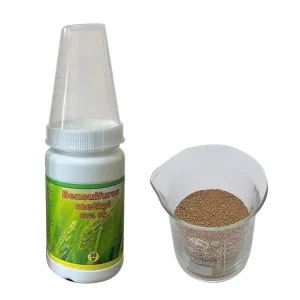
| Metsulfuron-methyl | Group 2 (ALS Inhibitor) | Oil Palm inter-rows, Broadleaf control in turf | 20% WDG, 60% WP | Exceptional low-dose systemic efficiency |
| Penoxsulam | Group 2 (ALS Inhibitor - Triazolopyrimidine) | Direct-seeded & transplanted lowland paddy | 25 g/L OD, 240 g/L SC | Superior selective control over resistant sedges |
| Pendimethalin | Group 3 (Microtubule Assembly Inhibitor) | Vegetable crops, Industrial site residual barrier | 330 g/L EC, 450 g/L CS | Long-lasting soil barrier against seed germination |
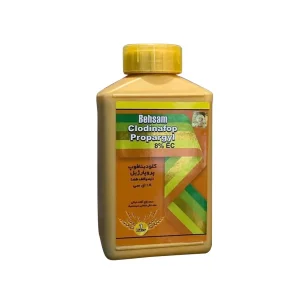
| Clodinafop-propargyl | Group 1 (ACCase Inhibitor) | Selective post-emergence grass control | 120 g/L EC (12% EC) | Rapid foliar absorption within 2 hours of application |
Pioneering sustainable, low-volatility, and drone-compatible chemical delivery systems for equatorial agriculture.
Traditional Emulsifiable Concentrates (EC) often rely on high loads of aromatic hydrocarbon solvents which suffer from rapid evaporation under equatorial sun and higher ecological toxicity. Our technical roadmap focuses on Micro-encapsulated Suspensions (CS) and Nano-emulsions. Micro-encapsulation encloses volatile active ingredients (such as Pendimethalin) within microscopic polymeric shells. Upon spraying, these capsules bind to soil particles and slowly release the active compound over 60 to 90 days. This slow-release mechanism significantly reduces leaching into groundwater tables across coastal Selangor regions while providing extended pre-emergence weed exclusion.
Unmanned Aerial Vehicles (UAVs) are rapidly changing plantation management in Malaysia, drastically cutting labor requirements in steep terrain and large oil palm acreages. Standard herbicide formulations, however, tend to clog ultra-low-volume (ULV) drone nozzles or drift excessively due to micro-droplet vaporization. Our next-generation formulations incorporate anti-drift agents, anti-evaporation humectants, and viscosity modifiers specifically calibrated for low-volume UAV atomizers. This ensures precise deposition, zero nozzle crystallization, and maximum canopy coverage even under gusty tropical weather conditions.
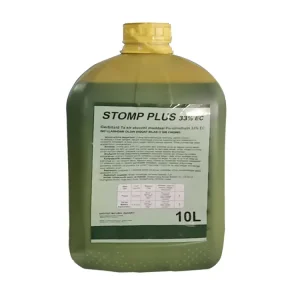
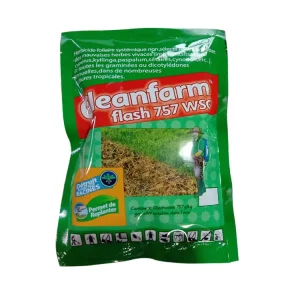
Streamlined dossier preparation, LRMP standards, and high-purity chemical manufacturing.
Importing agrochemicals into Kuala Lumpur demands strict adherence to national safety standards established under the Pesticides Act 1974 administered by the Pesticides Board of Malaysia (LRMP). Chemical registration requires comprehensive analytical data, including High-Performance Liquid Chromatography (HPLC) assay reports, physical-chemical property evaluations, toxicological profiles, and environmental fate impact assessments.
Our dedicated regulatory department provides complete support for B2B importers in Kuala Lumpur, supplying FAO-standard specifications, Certificate of Analysis (COA) per batch, Material Safety Data Sheets (MSDS) in English and Bahasa Malaysia, and GLP-certified analytical toxicological test data required for seamless LRMP permit approvals.
Tropical sea freight and warehouse conditions in Port Klang expose agrochemical packaging to severe stress. We utilize UN-certified fluorinated HDPE drums, heavy-duty aluminum foil barrier bags for powders (WDG/WP), and reinforced corrugated master cartons designed to withstand 95% relative humidity without collapse or seal degradation.
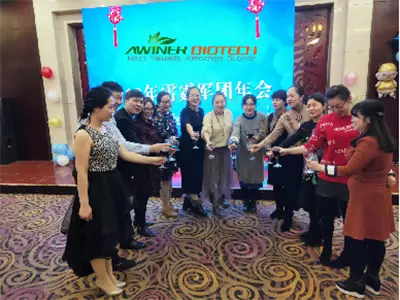
Awiner Biotech was founded in 2006, located in north of China-Shijiazhuang, Hebei Province. The city is close to our capital Beijing, with highly convenient logistics links to primary sea ports. Awiner Biotech is committed to research, produce and distribute agrochemicals, mainly dealing with pesticides, herbicides, fungicides, plant growth regulators and public health products.
Up to now, we have established long-term strategic relationships with commercial agricultural clients in over 30 countries across Southeast Asia, the Middle East, Eastern Europe, and South America—including Malaysia, Iraq, Iran, Russia, Kazakhstan, Brazil, Chile, Nigeria, and Cambodia.
Winning long-term operational trust from clients in Malaysia, Russia, Uzbekistan, Turkey, Yemen, Pakistan, Brazil, and beyond.
Active participation in premier international trade expos in Malaysia, Turkey, Russia, Nigeria, Uzbekistan, and Cambodia.
Conducting on-site agronomic investigations in customer countries to analyze crop performance and optimize local formulations.
Direct factory quotes, containerized shipping routes, and risk mitigation strategies for Greater KL buyers.
When procuring herbicides from manufacturing facilities in China for delivery to Kuala Lumpur, commercial buyers must evaluate Incoterms to balance logistical control against freight cost stability. We offer transparent FOB (Free on Board) Qingdao/Tianjin and CIF (Cost, Insurance, and Freight) Port Klang options. CIF contracts provide guaranteed ocean shipping rates and protect importers from sudden spot-rate spikes during peak shipping lanes.
For distributors with local formulation or repacking facilities in Selangor industrial zones, acquiring High-Assay Technical Material (e.g., Glyphosate 95% TC, Metsulfuron-methyl 96% TC, Trifluralin 95% TC) maximizes shipping payload efficiency and minimizes custom duties on finished consumer goods.
For plantation clients requiring immediate field deployment without secondary processing overhead, customized liquid SC/SL or dry WDG formulations are provided pre-packed in 1L, 5L, 20L HDPE containers or 1kg barrier bags with bilingual custom branding.
Connect directly with our senior agronomic technical team. Get instant pricing, dossier compliance documentation, and batch sample availability within 24 hours.
Send Inquiry NowTechnical insights, regulatory guidance, and purchasing FAQs for Kuala Lumpur agrochemical buyers.
Explore high-efficacy broadleaf, selective grass, and pre-emergent active formulations manufactured for direct wholesale supply.
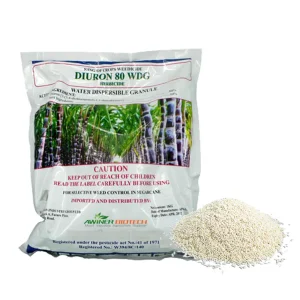
 Awiner Biotech