Engineered for high efficacy in humid monsoon ecosystems, controlling grass, broadleaf, and sedge weeds in Aman, Boro, and Aus paddy rotations.
An executive strategic operational guide for chemical importers, agro-distributors, and regional supply chain heads targeting the Boro and Aman agricultural cycles.
Agriculture in Bangladesh represents the cornerstone of the national economy, contributing substantially to GDP and employing over 40% of the active workforce. With an intensive cropping intensity exceeding 195%, agricultural production is structured around three primary rice seasons: Boro (irrigated winter rice, representing ~55% of total production), Aman (monsoon rain-fed rice, accounting for ~38%), and Aus (pre-monsoon summer rice). In addition to paddy, cash crops such as maize, sugarcane, jute, tea, and winter vegetables are experiencing rapid acreage expansions across the High Barind Tract, Mymensingh, Rangpur, and Rajshahi divisions.
However, Bangladesh’s tropical monsoon climate—characterized by mean annual rainfall ranging from 1,500 mm to over 4,000 mm in Sylhet—creates hyper-conducive growth environments for complex weed flora. Weed infestation represents the single largest biological constraint to crop yield, causing estimated economic losses between 25% to 45% in unmanaged paddy fields. Dominant aggressive weed species include perennial sedges (Cyperus rotundus, Cyperus difformis, Fimbristylis miliacea), broadleaf weeds (Ludwigia octovalvis, Sphenoclea zeylanica, Monochoria vaginalis), and annual grasses (Echinochloa crus-galli, Leptochloa chinensis, Ischaemum rugosum).
To maintain food security for over 170 million inhabitants, local Bangladeshi importers and formulators require access to highly selective, low-toxicity, and cost-effective herbicide active ingredients (AI) and finished formulations. Modern active ingredients like Penoxsulam, Clodinafop-propargyl, Bensulfuron-methyl, and Pretilachlor have become indispensible tools for local growers.
Navigating the regulatory framework in Bangladesh is a mandatory prerequisite for agrochemical entry. All plant protection products imported or commercialized within Bangladesh must undergo strict evaluation by the Pesticide Technical Advisory Committee (PTAC) under the Department of Agricultural Extension (DAE), operating under the Ministry of Agriculture.
The registration workflow requires detailed technical data dossiers, including multi-location bio-efficacy field trial data conducted over minimum 2 consecutive seasons by recognized institutions such as the Bangladesh Rice Research Institute (BRRI) or Bangladesh Agricultural Research Institute (BARI). Key regulatory mandates include:
| Active Ingredient (AI) | Target Crop Scope | Primary Target Weeds | DAE Application Window | Formulation Type |
|---|---|---|---|---|
| Penoxsulam 25 g/L | Transplanted & DSR Rice | Echinochloa, Cyperus spp., Broadleaves | Early Post-Emergence (3-15 DAT) | OD / SC |
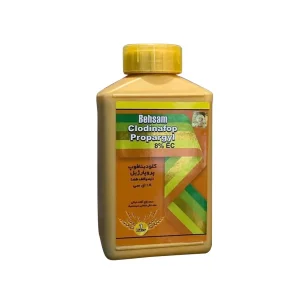
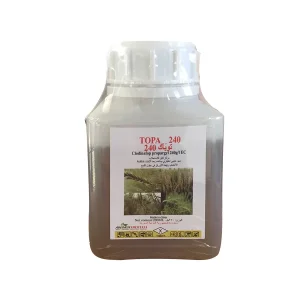
| Clodinafop-propargyl 12% | Wheat & Grass Intercrops | Phalaris minor, Avena fatua | Post-Emergence (20-35 DAS) | EC (Emulsifiable Conc.) |
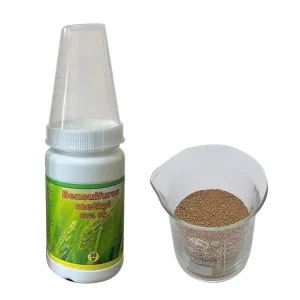
| Bensulfuron + Propisochlor | Paddy Fields | Sedges, Annual Broadleaves & Grasses | Pre-to-Early Post Emergence | WP / Granular |
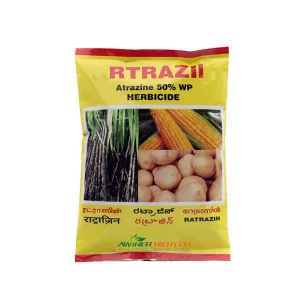
| Atrazine 50% / 80% | Maize, Sugarcane | Broadleaf weeds & Annual grasses | Pre-Emergence / Early Post | WP / SC |
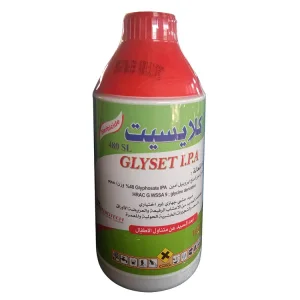
| Glyphosate 480 g/L IPA | Non-Crop, Tea Gardens, Zero-Till | Perennial & Annual Broad spectrum | Pre-Planting Burn-Down | SL (Soluble Liquid) |
How direct chemical manufacturing integration reduces procurement overheads while assuring stringent chemical stability and delivery timelines.
Our manufacturing plants in Shijiazhuang, Hebei feature inline intermediate chemical synthesis, mitigating raw material price volatility and guaranteeing 95%+ Tech Grade AI purity.
Specialized OD (Oil Dispersion) and WDG (Water Dispersible Granules) technological lines optimized for high humidity and heavy rainfall in coastal South Asia.
Direct containerized shipping routes from Tianjin and Qingdao ports directly to Chittagong (Chattogram) and Mongla Ports with 14-18 days maritime transit lead time.
Effective chemical weed control in Bangladesh demands tailored application protocols that account for regional soil compositions, water depth in paddy fields, and climate micro-variations across agro-ecological zones:
Characterized by deep-water conditions and quick flash floods. Pre-emergence herbicides like Oxadiazon 25% EC or Bensulfuron-methyl + Pretilachlor are applied within 2-4 days after transplanting (DAT) to establish early broadleaf and sedge control before water levels rise.
Dry, terrace soil conditions prone to water scarcity. Maize, sugarcane, and drought-tolerant crops require residual soil herbicides such as Atrazine 80% WP or post-emergence broad-spectrum mixtures like Dicamba + Nicosulfuron.
Saline-affected soils with complex cropping patterns (shrimp-rice rotational systems). Requires eco-friendly, low-fish-toxicity formulations like Penoxsulam 25g/L SC, which break down safely without harming aquatic estuarine ecosystems.
Perennial weed control in hilly terrain. High demand for non-selective knock-down herbicides like Glyphosate 480 g/L SL IPA Salt and combination desiccation products for orchard floor maintenance.
Explore our factory-direct active ingredients and finished crop protection formulations ready for customized white-labeling and DAE registration support in Bangladesh.
Founded in 2006, Awiner Biotech is headquartered in Shijiazhuang, Hebei Province, North China—strategically adjacent to Beijing with direct access to major international trade corridors. We are committed to continuous R&D, precision manufacturing, and international distribution of advanced agrochemicals.
Our comprehensive crop protection portfolio encompasses highly selective herbicides, systemic fungicides, targeted insecticides, public health solutions, and plant growth regulators. Through relentless innovation and quality control, Awiner Biotech has earned long-term partnerships with leading agrochemical importers and government agencies globally.
Up to now, we have established solid commercial relationships across 30+ nations, delivering tailored solutions and technical market surveys:
Addressing regulatory compliance, shipping logistics, payment terms, and custom packaging standards for South Asian markets.
We provide full technical dossier support in accordance with DAE requirements, including Certificate of Analysis (COA), 5-batch analysis reports, acute toxicity reports, stability testing data under tropical zone IV conditions (40°C ± 2°C / 75% RH ± 5%), sample standards for laboratory verification, and letter of authorization (LOA) notarized by the Bangladesh Embassy in China.
Sea freight shipping from main ports in Northern China (Xingang/Tianjin or Qingdao) directly to Chittagong Port typically takes 14 to 18 ocean transit days. We issue original bill of lading (B/L) or telex release along with complete shipping documents (Commercial Invoice, Packing List, Certificate of Origin Form E / CO) to enable fast customs clearance.
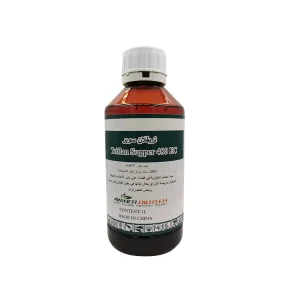
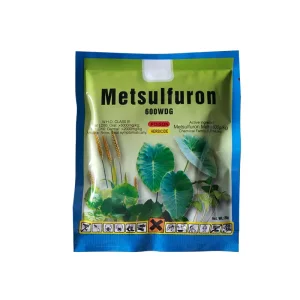
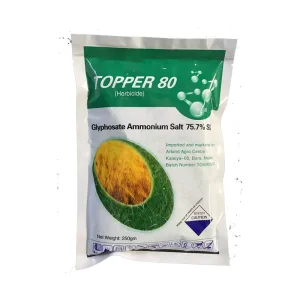
Yes. We offer complete OEM/ODM customized packaging options. We produce high-quality aluminum foil sachets (10g, 50g, 100g), HDPE bottles (100ml, 250ml, 500ml, 1L), and fluorinated drums. Labels are custom-printed incorporating Bengali text for directions, caution statements, registered local distributor details, and anti-counterfeiting QR codes.
Our formulations incorporate advanced organosilicone adjuvants and specialized stickers/surfactants. In products like Penoxsulam SC and Pretilachlor EC, the rainfastness window is reduced to under 1 hour post-application, preventing active ingredient dilution during sudden monsoon downpours.
We work extensively with Letter of Credit (L/C at sight) issued by top-tier Bangladeshi commercial banks (such as Eastern Bank, Islami Bank, City Bank, or Standard Chartered Bangladesh), as well as T/T advance options to facilitate smooth trade execution.
Partner with Awiner Biotech for reliable herbicide supplies, competitive bulk pricing, and dedicated DAE registration assistance for the Bangladesh market.
 Awiner Biotech